

Glasgow is a wonderful city, but it doesn’t give up all its secrets easily. Scattered across its streets are old artefacts and curious details that puzzle both visitors and Glaswegians.
Today, we’re sharing some of the most intriguing and lesser-known facts about the city. From remnants of Glasgow’s past to the stories behind its distinctive architecture, explore the Glaswegian trivia we’ve gathered below.
Here are 15 surprising facts about Glasgow most Glaswegians don’t know
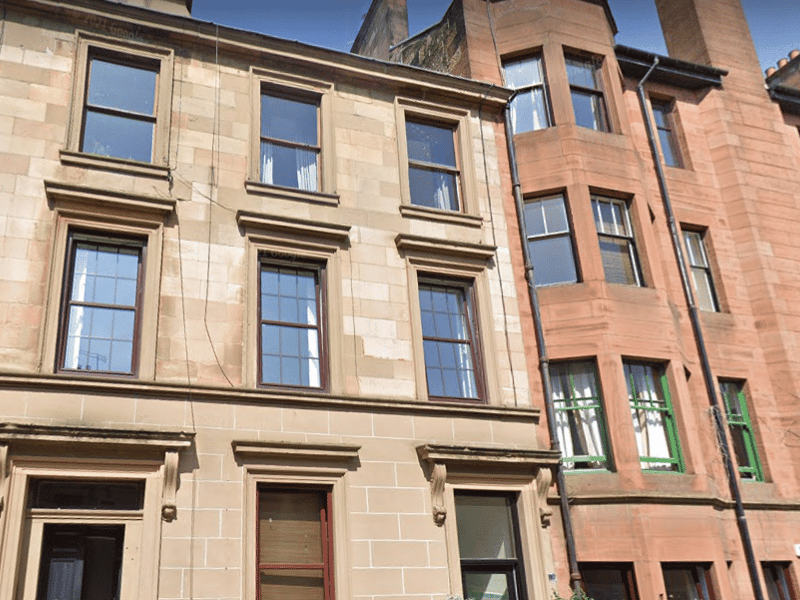
1. Why are Glasgow's tenements two different colours?
Throughout the 18th and 19th century, blonde sandstone was quarried in and around Glasgow, with the majority of the local sandstone used coming from Bishopbriggs and Giffnock quarries pre-1890. After the railway network had been established in Glasgow and across Scotland in 1890 it suddenly became a lot easier (and cheaper) to bring in sandstone from outside the city. The red sandstone you can see around Glasgow was quarried from Dumfries and Ayrshire and was used in construction of new buildings around the city from the beginning of the 20th century. | Contributed
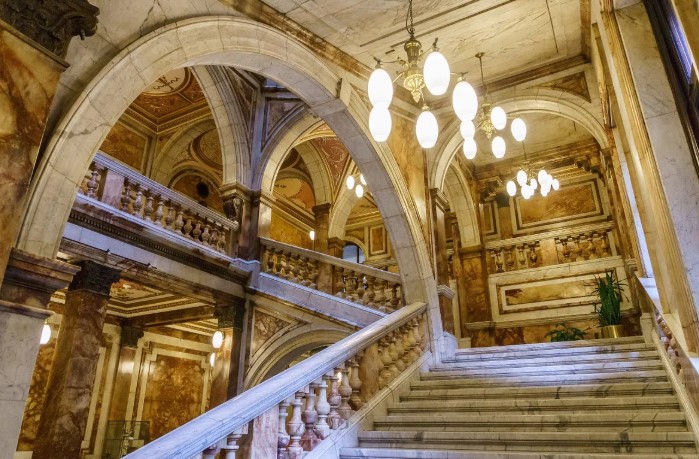
2. More marble in Glasgow City Chambers than in the Vatican
There's said to be more marble in Glasgow City Chambers than in the Vatican - thanks in no small part to Glasgow's Carrara marble staircase, reputed to be the largest in Western Europe. | Contributed
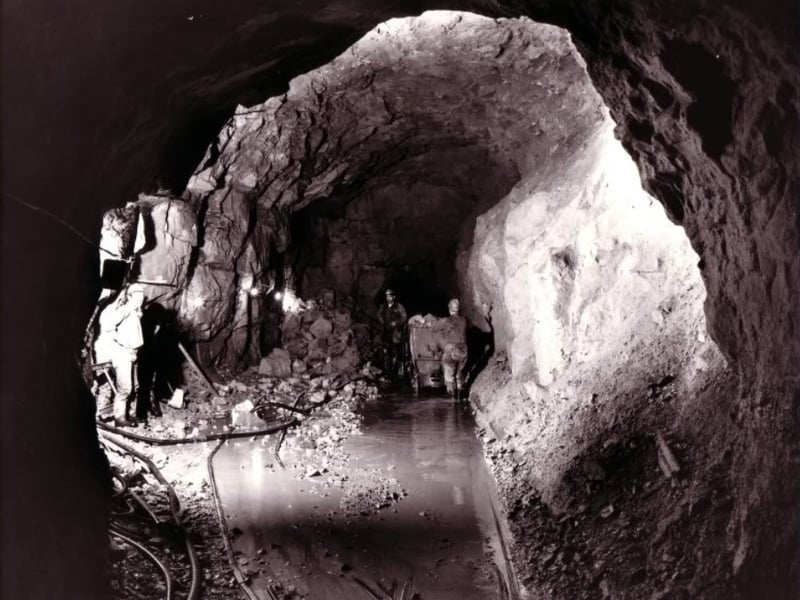
3. The hidden underground world beneath Glasgow
At the junction of Cathedral Street and North Hanover Street a curious standalone building once served as a lift shaft which connects street level to a series of tunnels. The expansive network runs from the Royal Infirmary to the telephone exchange, or ‘Dial House’, on Bothwell Street and runs beneath the city’s subway lines. The telephone exchange is at the heart of the network and was commissioned by the General Post Office (GPO) to host the general processor for the west of Scotland. Built in the 1950s with the Cold War in mind, the exchange was built to withstand a nuclear bomb attack on Glasgow. Rumours surround the web of tunnels with some claiming that they served as an escape route for GPO staff to a bomb shelter under George Square - although the rumour of a nuclear bunker or emergency room underneath George Square or the City Chambers is unsubstantiated. | Contributed
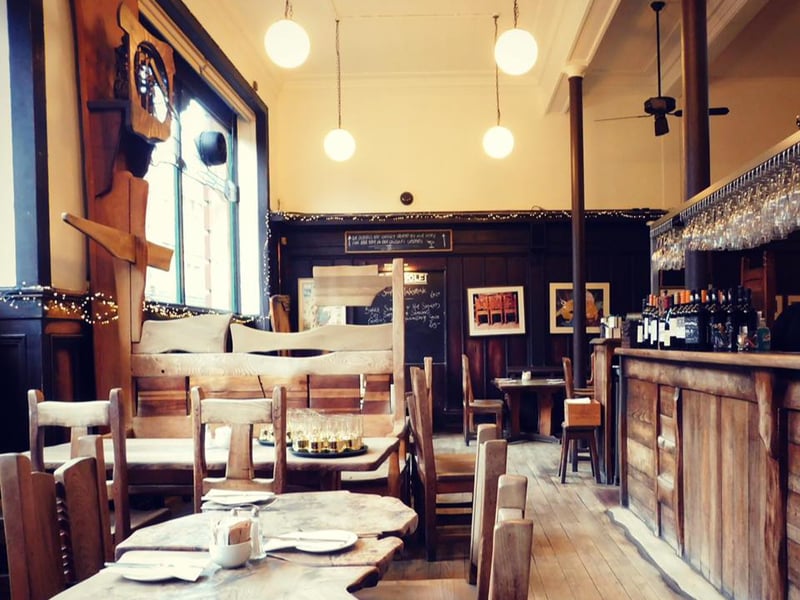
4. Remnants of a historic hotel
Café Gandolfi is one of the most respected cafe’s in Glasgow - known for its interesting interior and even more exciting authentic Scottish menu. The revolving doors are even older than the café itself, taken from the Grand Hotel at Charing Cross when it was demolished to make way for the new Glasgow inner ring road back in 1968. | Cafe Gandolfi