

Lulu recently celebrated her 76th birthday having first shot to fame during the early sixties when she was signed to Decca Records at the age of 15 when she released her version of the Isley Brothers’ “Shout” which peaked at number seven in the UK charts in 1964.
She would go on to win the 1969 Eurovision Song Contest five years later with the song “Boom Bang-a-Bang” and also have major chart success with the title song for the 1974 James Bond film ‘The Man with the Golden Gun’. It wouldn’t be until later in her career that she would score her first UK number one hit as she guested on a cover version of Dan Hartman’s “Relight My Fire” with boy band Take That.
Although Lulu moved away from Glasgow at an early age, the city can still claim her as one of their own with the singer still feeling connected to her hometown.
In an interview with the Sunday Post back in 2020, she spoke about her Glasgow roots, saying: “Maybe we were not particularly well off but we never starved, that’s for sure and there was always a good atmosphere about the home.
“My mum and dad always liked to laugh and they had the radio on just about all the time, singing along with it as well and we all joined in. Yes, they were a normal married couple and had their fallouts but I mostly remember the music – that’s what motivated me to sing.
“I sang at a Coronation party in 1953 when I was four, my first public performance and that led to going in for talent contests when I was 14.
“I started singing with a band called The Gleneagles around pubs and wherever they would have us in Glasgow. We got a pound a night between us and we were thrilled to bits about that.
“One night we were seen by a lady called Marion Massey who said she could manage us and get us better gigs. She did too and at 15 I went off to London and we became Lulu and The Luvvers. I owe that brilliant lady for being there and seeing us that one night in Glasgow when we were sharing a pound.
“I vividly recall growing up in Glasgow, being there with my parents, going to school, getting those early gigs and none of that has ever left me. Perhaps that is why I have never been anything but close to my roots and to Scotland.
“It is funny that when you travel and you meet people from different areas and different countries and perhaps you live in those countries for a while, your accent can change a bit. You don’t work at it – it just happens.
“But as soon as I meet someone from Scotland or I am either visiting or working in Scotland my full Glaswegian accent returns almost straight away. I don’t do it on purpose, it never really leaves you.
“I have never understood people who turn away from or even deny their roots. Why would anyone do that? What is really great is that whenever I am back in Scotland it hardly feels as if I have been away and people treat you as if you are still living among them. I really love that.”
Explore these six locations in Glasgow which have a connection to Lulu.

1. Lulu’s Glasgow
Lulu who was born Marie McDonald McLaughlin Lawrie is one of Glasgow’s best known singers having been brought up in the East End of the city. | Getty Images
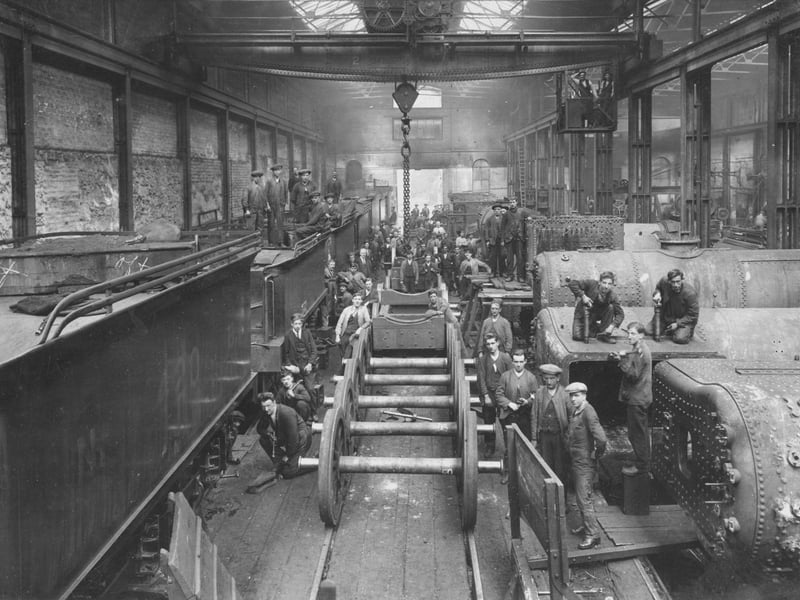
2. Glasgow’s St Rollex Caley railway works
Lulu’s grandfather Hugh Cairns who started working at the railway depot in Springburn on 13 September 1916 at the age of 14 years old making four shillings and eightpence a day. | Glasgow City Archives
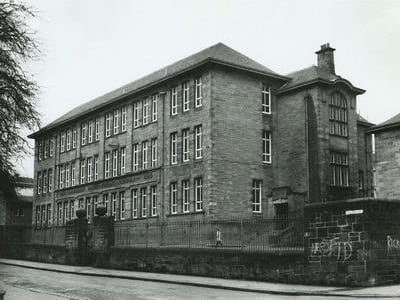
3. Onslow Drive school
After attending Thomson Street Primary School, Lulu became a pupil at Onslow Drive School. The building was demolished in 1977 | Virtual Mitchell
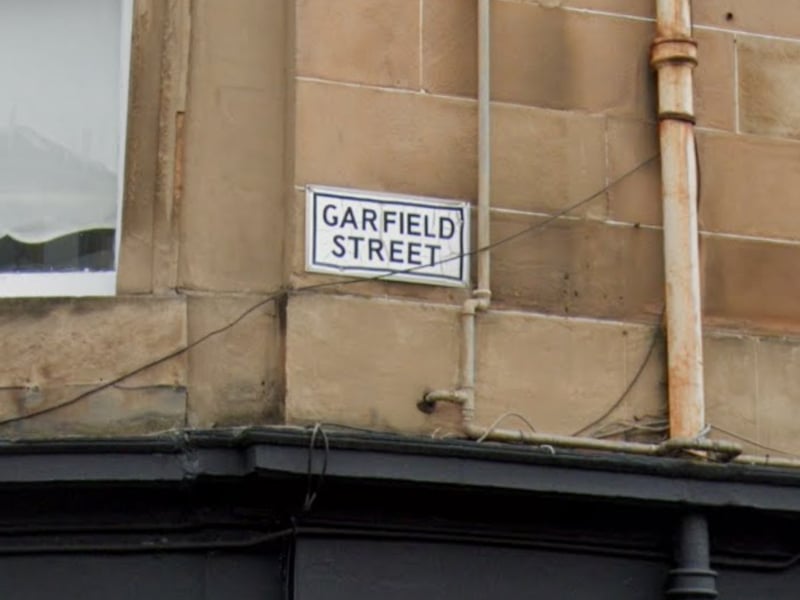
4. Garfield Street
Lulu moved to Garfield Street in Dennistoun at the age of 12 or 13 and said: “When we moved from Soho Street across the railway bridge to Garfield Street, it was only a couple of hundred yards, but mentally it was a lot further. We had edged slightly up in the world because we now lived closer to Duke Street and further away from the Gallowgate. There weren’t so many poorly dressed kids or runny noses.” | Google Maps