

Glasgow Cathedral stands as one of Scotland’s most important medieval buildings. It is dedicated to St Kentigern—often called St Mungo—the 6th-century missionary who founded a Christian community on the site.
The cathedral became the seat of the Archbishop of Glasgow, and the first stone cathedral was consecrated in 1136, marking Glasgow’s rise as a major religious centre.
Most of the cathedral you see today was built between the 13th and 15th centuries in Gothic style, using dark local stone. A distinctive feature is the Lower Church or crypt, built over the traditional tomb of St Mungo, which made the cathedral a place of pilgrimage. Despite fires and political upheaval, the building was repeatedly repaired and expanded, reflecting the city’s growing importance.
Remarkably, Glasgow Cathedral survived the Scottish Reformation of the 16th century largely intact, unlike many other religious buildings that were destroyed or abandoned. It later served as a parish church and remains a place of worship today. Standing beside the Necropolis and overlooking the Molendinar Burn, the cathedral remains a powerful symbol of Glasgow’s origins and enduring history.
Here are six nostalgic pictures from Glasgow’s past of Glasgow Cathedral.
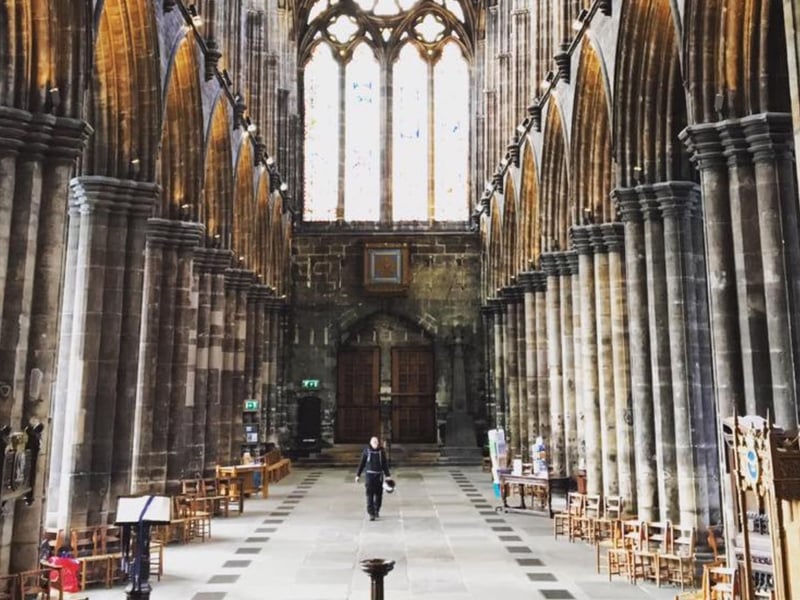
1. Glasgow Cathedral's beginnings
Glasgow Cathedral is the oldest building in the city and marks the site where St Mungo is thought to have been buried in 612 AD. The original cathedral was concecrated in 1136, however it was destroyed by fire. | Glasgowist
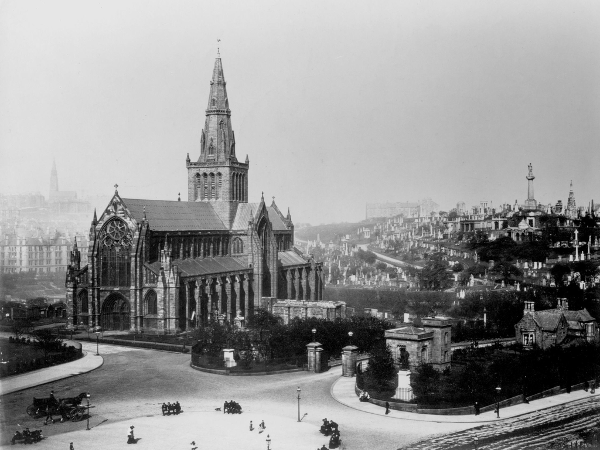
2. The Reformation
The damaged cathedral was rebuilt and reconsecrated in 1197. In the following centuries it steadily ascended, growing into a grand cathedral. However, during the Protestant Reformation, it was stripped of all its Catholic symobology - with the cathedral converting to serving the Protestant faith. | Glasgow City Archives
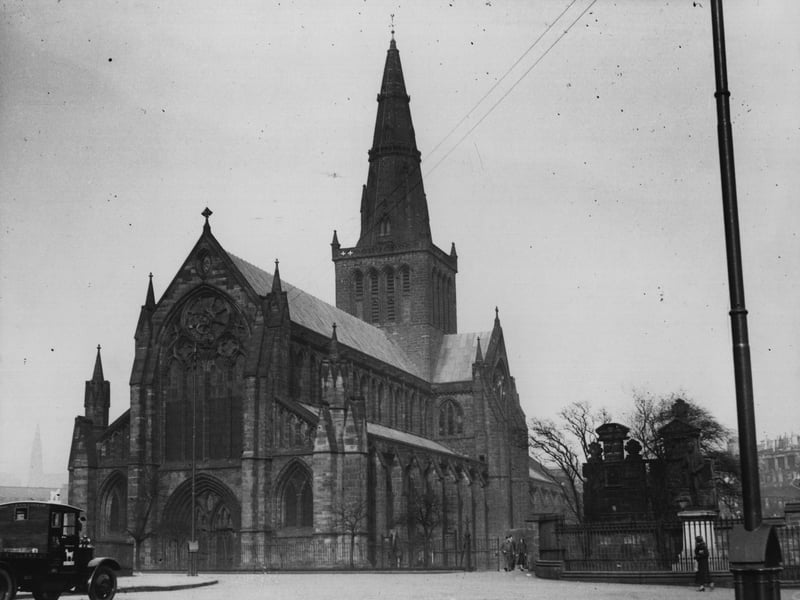
3. Vandalism and decay
Whilst the Cathedral is the most complete medieval church on the Scottish mainland, it did undergo vandalism and plunder during this time. In 1574, Glasgow town council said: "the greit dekaye and ruyne that the hie kirk of Glasgow is cum to, throuch taking awaye of the leid, sciait and wther grayth thairof in this trublus tyme bygane sua that sick arte greit monument will alluterlie fall doun and dekey without it be remidit" The town council raised £200 to fund repairs. | Getty Images
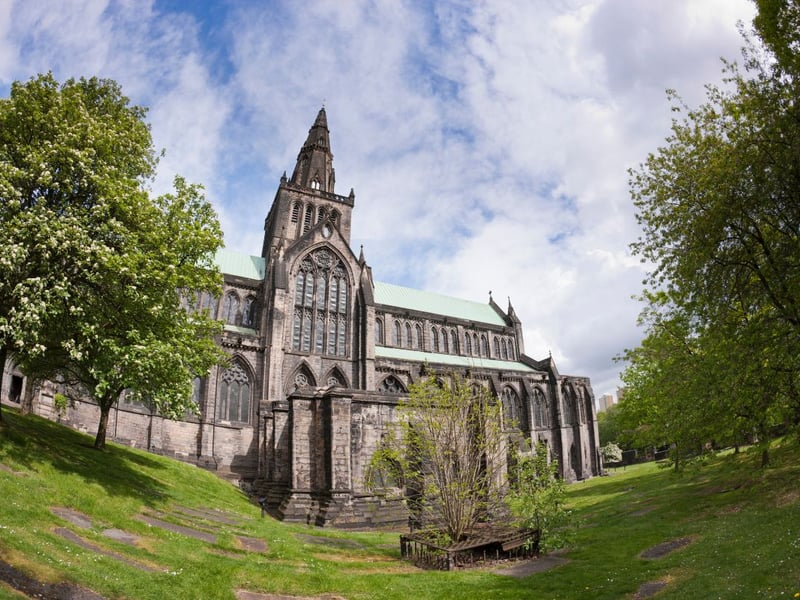
4. Glasgow Tobacco Lords
The 18th and 19th century saw great memorials to the Glasgow Tabacco Lords. Some of these memorials - including that to Cecilia Douglas, who owned slaves in the West Indies, have since been removed. | Canva/Getty Images