
I visited the Riverside Museum and it’s a brilliant way of understanding Glasgow’s past

Set at the junction of the Rivers Kelvin and Clyde, the Riverside Museum is both a modern Glasgow architectural marvel - but inside it tells you the history of Glasgow better than anywhere.
The Riverside Museum is ostensibly a museum of transport, and of course most of the exhibits inside are on just that subject. However, having spent three hours there with my daughter last week - I came away feeling like I had learned more about the city than anything else.
The museum moved from its home at Kelvin Hall in 2011 into its new Dame Zaha Hadid designed building. It quickly won plaudits - including being named European Museum of the Year Award in 2013.


Inside the museum displays some 3,000 items from Glasgow’s impressive collection. These range from examples of cars through the ages to examples of some of public transport that once snaked its way through the streets of the city.
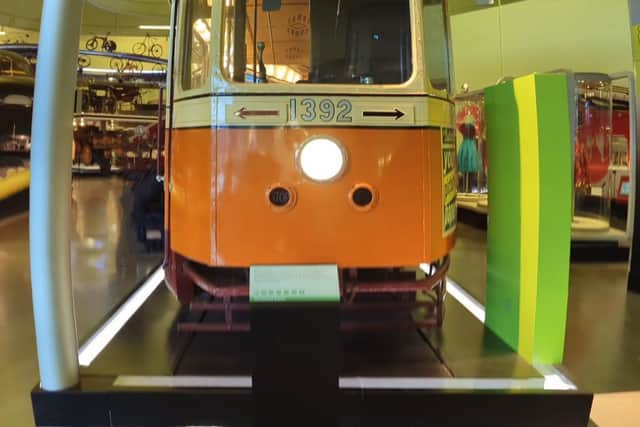
And it’s these that are the most awesome of the items on exhibit. The behemothic trolleybuses that once took Glaswegians around the city are as impressive now as they have ever been.
In the upper floor of the museum there is a fantastic opportunity to learn about the Anchor Line and how it saw Glaswegians, and Scots in general, able to explore the world through the seas. The exhibit makes the perfect companion to the St Vincent Place restaurant, it’s a remarkable way of seeing the stories.
The interactivity of the museum is also impressive. Whether it’s the LEGO mini-figure scavenger hunt that is currently running throughout the museum - syncing with the Star Wars exhibit currently running at the museum, or the mini games and stories dotted around the museum (my daughter would have quite easily have spent another hour playing the telegram delivery mini-game).
However, for me, the real highlight is the mock Glasgow street. Showing off "Kelvin Street", a recreation of 1930s Glasgow - complete with horse drawn trams and businesses from the time. It’s a fully immersive experience from the cobblestone streets to the subway carriages.
That is extended further with record and bike shops, among others, that are included outside Kelvin Street. The record shop was in particular a favourite of mine. It shows the sheer scale of the impact that music has had on the city - partly through the number of record stores that once operated in the city, but also with the examples of Glaswegian bands and the effect they’ve had globally.
And the museum is set to get better. In the Spring, the Tall Ship will re-open allowing you the chance to visit a piece of important history not just for Scotland but for Spain. The Glenlee was responsible for training around 3000 people in Cadiz during the four years of the Spanish Civil War.
All in all, the Transport Museum is an impressive museum that celebrates the best of Glasgow and world history. From the day to day of how we get around to some of the most impressive examples of transport at any museum in the world.