

The Burrell Collection in Pollok Country Park, in Glasgow’s Southside, houses one of the finest private art collections ever assembled, gifted to the city by Sir William Burrell and Lady Constance Burrell in 1944. Over 75 years, Sir William, a shipping magnate, amassed some 9,000 objects—ranging across 6,000 years of history and representing 50 countries.
Designed by Barry Gasson with John Meunier and Brit Andresen, the museum was purpose-built and opened in 1983 within the park’s woodland setting. Notable for its red sandstone, glass, and natural integration of architectural fragments like a 16th-century doorway, it's an early example of harmony between structure, landscape, and collection. The building earned A-listed status in 2013 as a distinguished piece of post-war Scottish architecture.
From 2016 to 2022, the museum underwent a £68 million “renaissance” refurbishment led by John McAslan + Partners. It dramatically improved sustainability, accessibility, and gallery space—expanding the display area by roughly 35%. New entrances, a café with terrace, a play zone, and enhanced environmental controls were added. Judges lauded the renovation as “an outstanding example of problem-solving and future-proofing,” leading to its accolade as Scotland’s best building in 2024.
The redisplay amplifies storytelling and interactivity across 24 galleries and 225 displays. New immersive spaces reveal glimpses into life at Hutton Castle, where the Burrells once lived, and bring to light craftspeople’s processes and cross-cultural narratives.
Highlights include one of the earliest surviving Persian garden carpets—the Wagner Garden Carpet—now on long-term display. The collection also boasts exceptional Chinese art spanning 5,000 years, medieval stained glass, arms and armour, over 200 tapestries and 150 carpets, and famous works by Manet, Cézanne and Degas.
Take a look at 12 of the most important and impressive objects and artworks that are part of the collection.
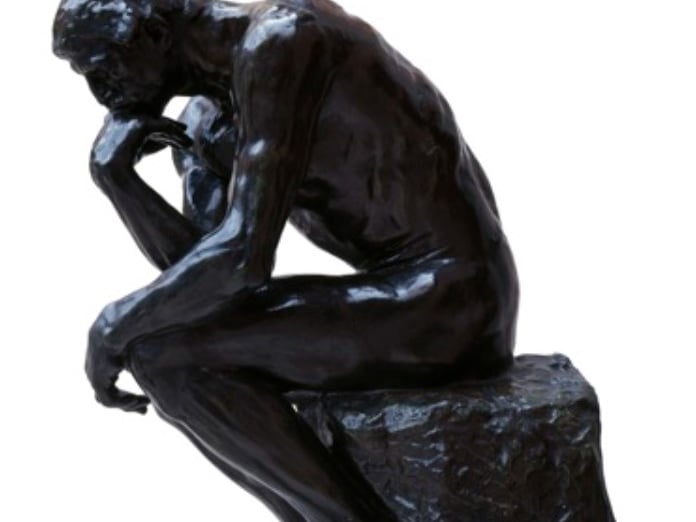
1. The Thinker
The Thinker, a 27-inch bronze sculpted by Auguste Rodin circa 1880–81, is arguably the most famous piece in Glasgow’s Burrell Collection. Originally conceived as a heroic representation atop his ambitious Gates of Hell, the figure conveys intense introspection, embodying Dante—or perhaps intellect itself—through muscular realism and expressive posture. Purchased by Sir William Burrell, it is one of fourteen Rodin bronzes. | Burrell Collection
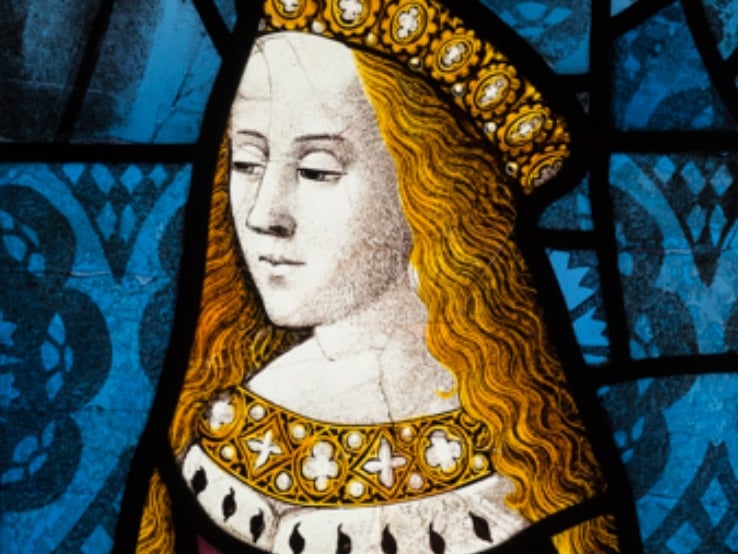
2. Princess Cecily
Originally from the Royal window at Canterbury Cathedral, this panel representing the daughter of Edward IV of England and Elizabeth Woodville is one of the finest examples of late 1400s stained glass. | Burrell Collection
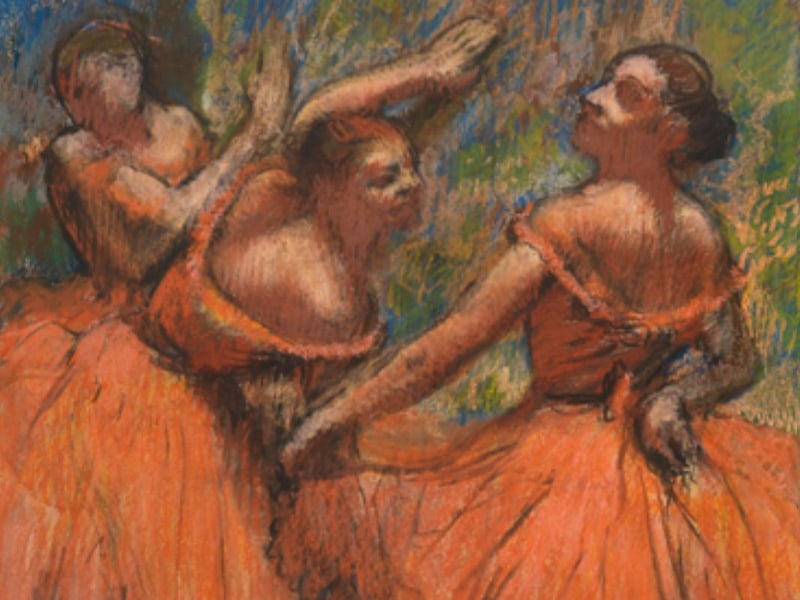
3. The Red Ballet Skirts
A work of art by Edgar Degas from around 1900. In this vivid pastel, three tired dancers are waiting in the wings during a performance. They are resting and stretching, adjusting their pointe shoes or arching their weary backs. | Burrell Collection
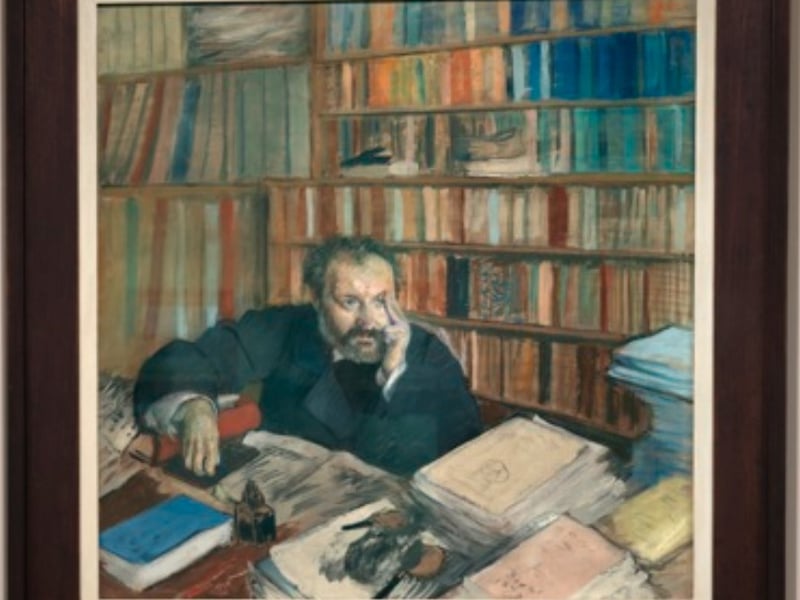
4. Portrait of Edmond Duranty
Painted by Edgar Degas in Paris, in 1879, Duranty was an art critic and novelist, as well as Degas’ friend. He is shown seated in his study, surrounded by the books which were the tools of his trade. | Burrell Collection