
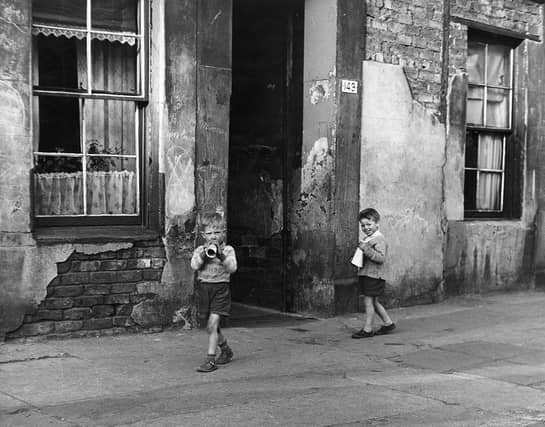


Tenements are everywhere in Glasgow - growing up in a tenement was universal experience for nearly every Glaswegian - but not everyone knows the origins and hidden history of the buildings that have housed generations on generations of Glaswegians, over the last 200 years.
Tenements were brought in as a quick and inexpensive housing solution to accommodate the booming population of Glasgow during the industrial revolution and highland clearances.
Tenements brought together incredibly tight-knit communities to the city, now the amount of people that used to live on your street all live in the one big sandstone building, and the streets in the city are lined with them.
Take a look below as we explore the hidden history of Glaswegian tenements.
5. Tenements made Glasgow
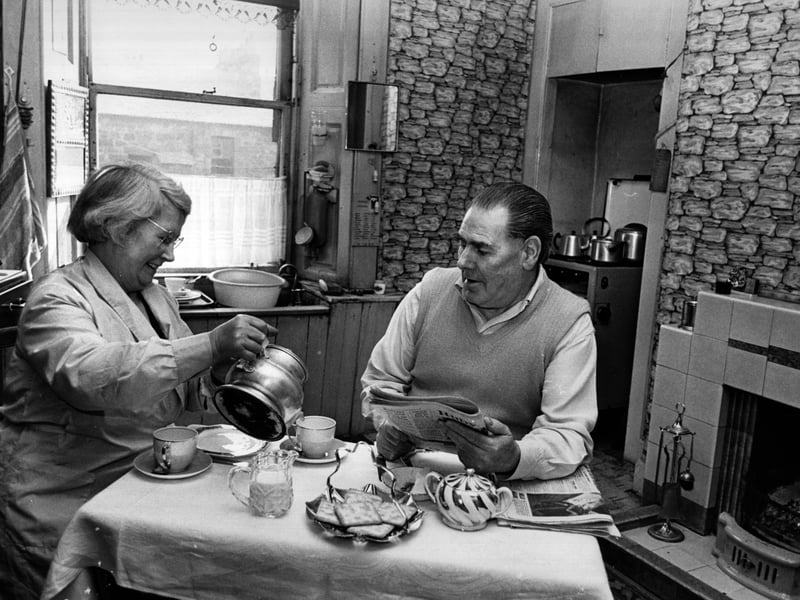
Glasgow is known for being one of the friendliest cities in the world. I’d argue that this is in no small part due to the culture and community built within the cities tenements. The working class lived their lives in these incredibly overcrowded communities, and learned quickly the power a friendly face can have on someone’s day. Life was hard in Glasgow tenements, people had to look out for each other - not to mention the consideration you had to have for other people when you shared a toilet between a dozen other families. | Getty Images
6. Backlands of Calton
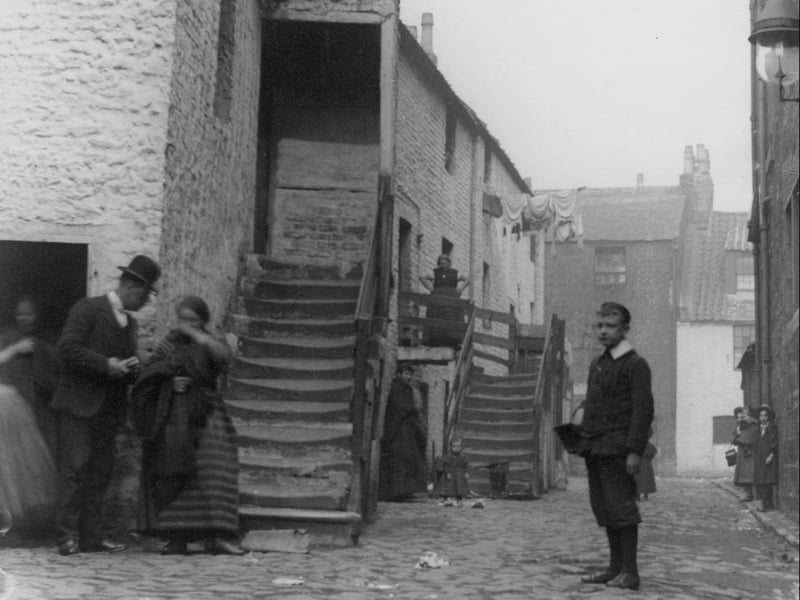
In the early twentieth century, the construction of additional property between tenements - known as the backlands - brought about incredible overcrowding in schemes that were already facing slum conditions. There were more than a thousand backland properties in Calton - and become such an issue that the Government had to step in to provide increased funding to allow the Glasgow corporation to clear the slums. Around 1,365 backland homes were demolished in the 1930s, leading to an end to the cramped conditions in what essentially were Tenement forecourts. The housing was replaced with 330 homes in three story tenements built in open spaces - around 20 per cent of Calton residents refused to move, preferring their property in the backlands - with a further 10 per cent returning to the backlands after leaving, despite the offer of larger accommodation at a lower rent. | Contributed
7. Glasgow: A sandstone city
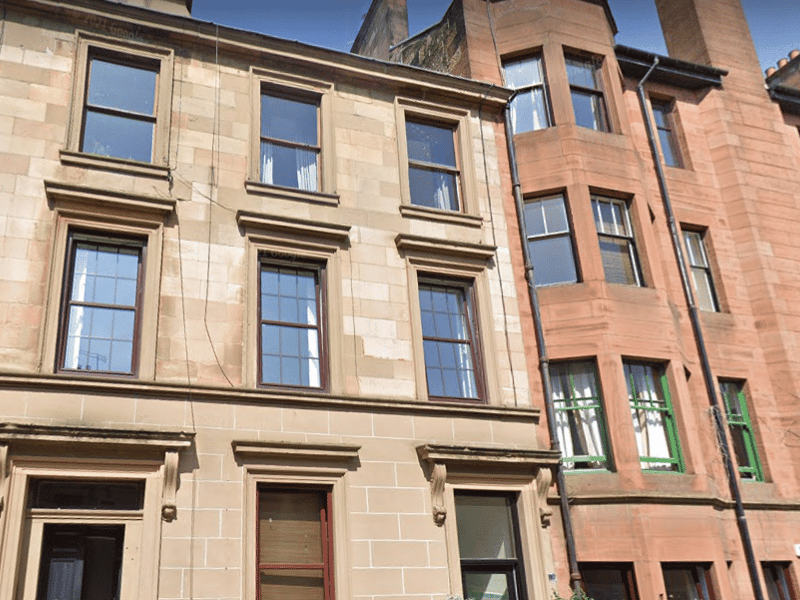
All Glaswegian tenements are built from sandstone quarried here in Scotland. The colour of the tenement gives you a clue as to how old each building is. | Contributed
8. Blonde tenements
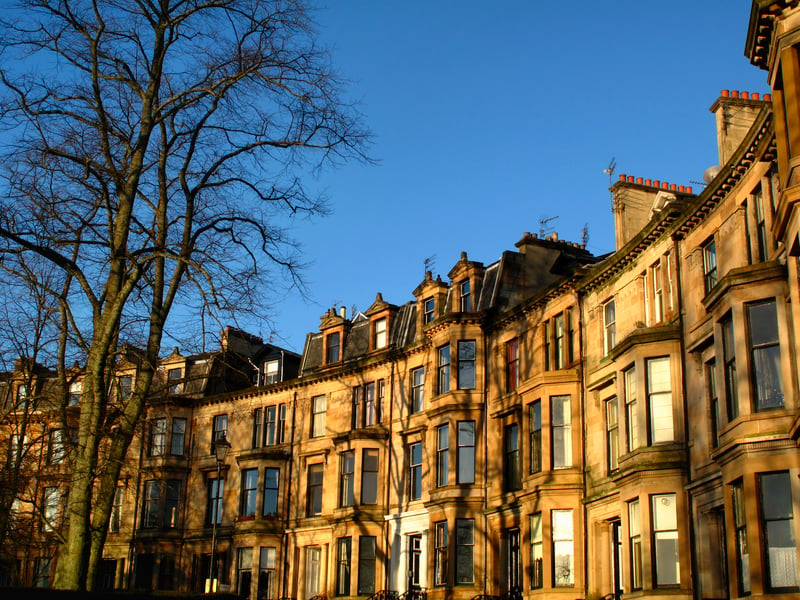
Blonde sandstone is the name given to the lighter coloured stone used in the construction of most of the historic buildings in Glasgow - the interior of Kelvingrove art museum for example, and reaching as far as the Calder fountain in Belfast’s Albert Square. Blonde sandstone tenements were built pre-1890, using local sandstone quarried from Giffnock and Bishopbriggs. The blonde stone gives Glasgow a very distinctive look. It has a lower iron content than most sandstone making it almost glow on a sunny day in town. | Getty Images Photo: Alan Oliver/Construction Photography/Avalon/Getty Images