
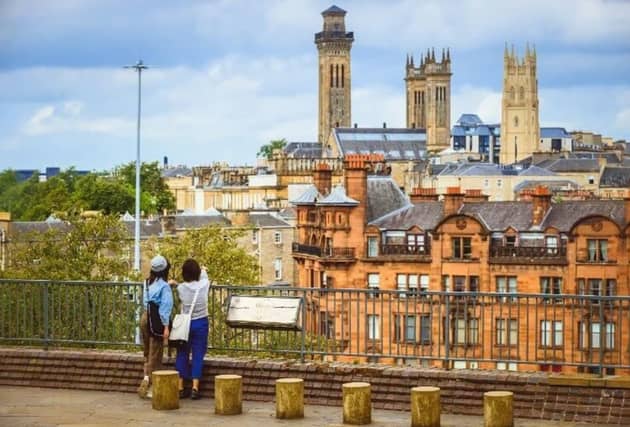


Glasgow is often thought of as a flat, low-lying city, but much of its shape, neighbourhoods, and even its name are connected to a landscape of gentle hills formed thousands of years ago.
The city developed across a series of small drumlins—glacially-formed hills left behind at the end of the last Ice Age. These rounded slopes influenced everything from early settlement patterns to later street layouts.
The earliest hub of Glasgow grew around Gallowgate and Cathedral Hill, where St Mungo established his church in the 6th century. This elevated ground offered natural protection and became the heart of medieval Glasgow.
As the city expanded in the 18th and 19th centuries, neighbourhoods grew across other hills such as Garnethill, Govanhill, Sighthill, and Cranhill, with many areas taking their names directly from the physical landscape.
Here are 14 historic Glasgow hills and the origins behind them.
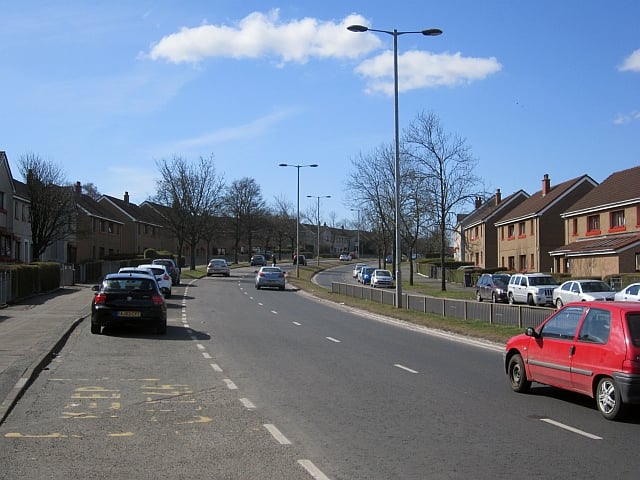
13. Priesthill
Rumour has it that a Catholic priest was hanged from a tree near Darnley Lane, lending Priesthill its name. There's no real evidence of this, and its believed it was likely named after Priesthill near Muirkirk, around 20 miles south of Glasgow in Ayrshire. | Contributed
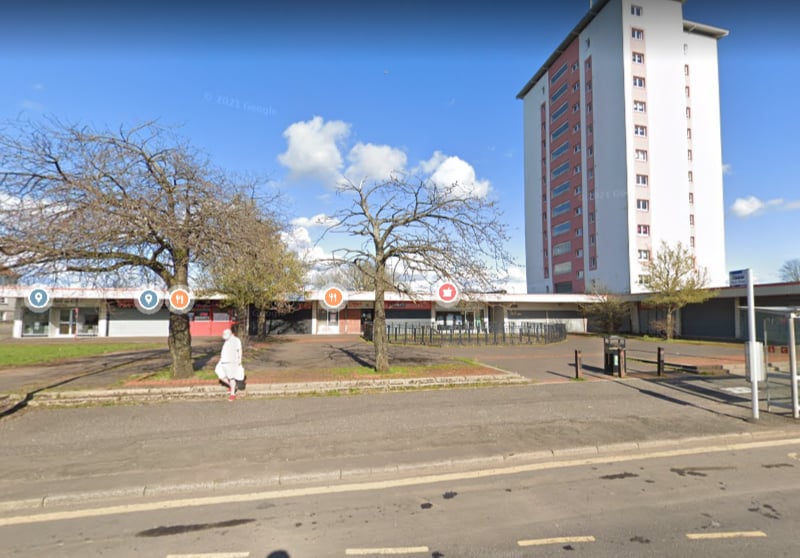
14. Nitshill
It is unclear how Nitshill got its name, but legend has it that the village was originally named Nuttishill, due to it being a small hill topped with hazelnut groves. | Google