
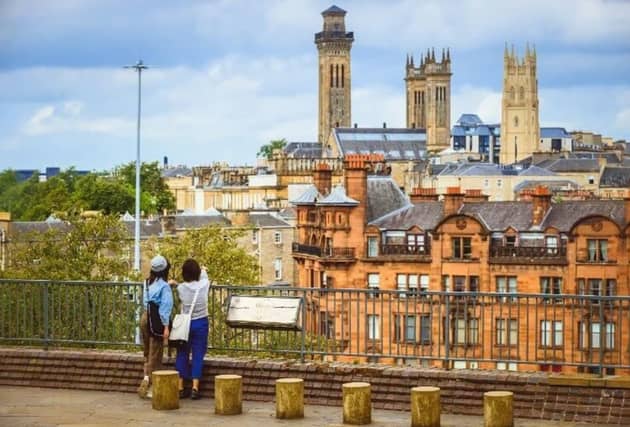


Glasgow is often thought of as a flat, low-lying city, but much of its shape, neighbourhoods, and even its name are connected to a landscape of gentle hills formed thousands of years ago.
The city developed across a series of small drumlins—glacially-formed hills left behind at the end of the last Ice Age. These rounded slopes influenced everything from early settlement patterns to later street layouts.
The earliest hub of Glasgow grew around Gallowgate and Cathedral Hill, where St Mungo established his church in the 6th century. This elevated ground offered natural protection and became the heart of medieval Glasgow.
As the city expanded in the 18th and 19th centuries, neighbourhoods grew across other hills such as Garnethill, Govanhill, Sighthill, and Cranhill, with many areas taking their names directly from the physical landscape.
Here are 14 historic Glasgow hills and the origins behind them.
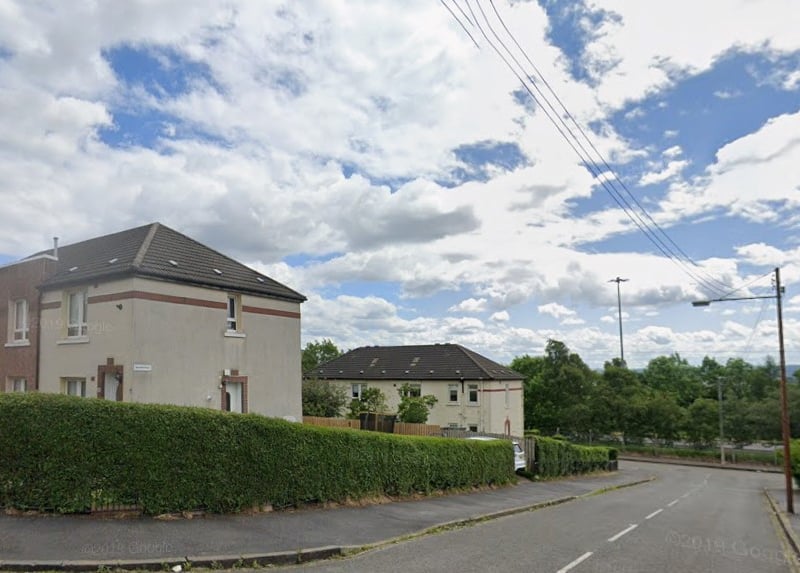
9. Blackhill
Blackhill famously displayed the Glasgow's Miles Better campaign poster in the 90s on the Provan Gas Works site. The area had been called Blackhill long before the institution of a council estate in the 1930s. It's unclear where the name comes from, it could be in reference to the coal transported along the Forth & Clyde canal, it could be the colour of the shrubbery, it's lost to time. | Google Maps
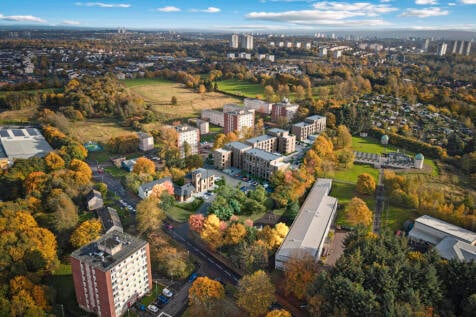
10. Gilshochill
The name Gilshochill originates from the Gaelic or Cumbric languages and means something akin to "boar's hill". The name is derived from Brittonic/Cumbric place-name elements, which were common in the Glasgow area during the first millennium of the era. | Rightmove
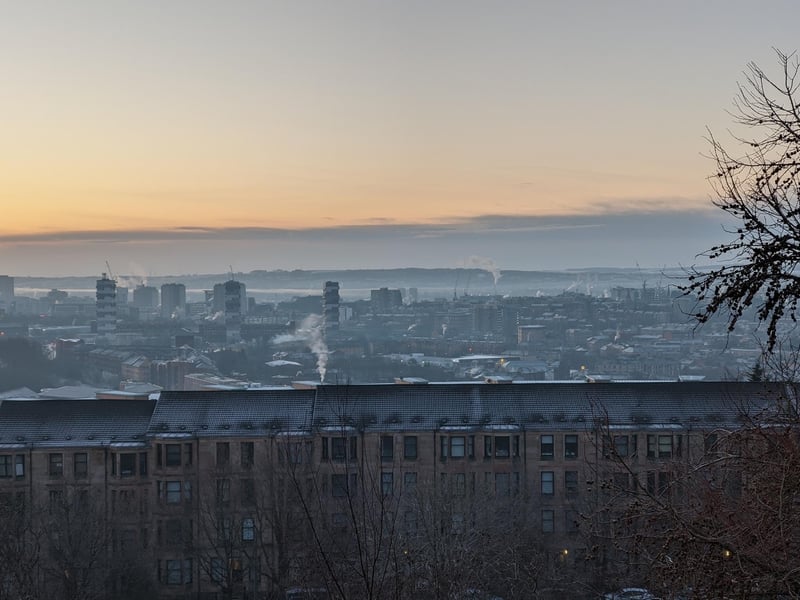
11. Ruchill
Ruchill is believed to come from the Scots "rough hill", but which may share its origins with Garrioch, a Gaelic name meaning "rough place" (garbhach). | Ruchill
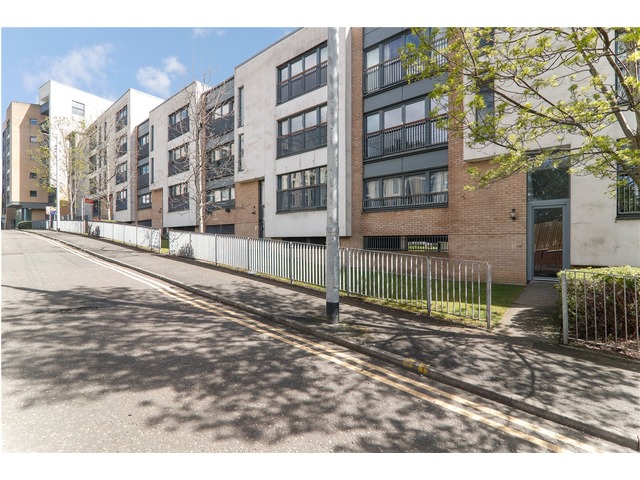
12. Dovehill
Greater Dovehill and Little Dovehill just off the Gallowgate take their name from the ancient Dow Hill | Contributed