

Glasgow is host to a swathe of stunning architecture - no matter where you go in the city - so today we wanted to share the buildings in Glasgow that we love the most.
Architectural styles vary greatly across the city, in the city centre you can find a broad range of Victorian, Art-Deco, Art-Noveau, Georgian, and many more in between.
Glasgow of course is home to some of the greatest architects ever produced in Scotland, most famously Charles Rennie Mackintosh and Alexander “Greek” Thomson.
Many of these buildings are inextricably linked to the city, people make Glasgow of course, but these buildings allow the people of Glasgow to flourish.
Whether they’re civic buildings, religious, residential, or otherwise - we feel that all of these buildings best represent Glasgow as a whole. If you can only take a visitor to 12 spots around Glasgow, these are the dozen buildings that best tell the tale of our fair city.
For the latest and greatest from the world of Glaswegian hospitality, culture, events, news, retro, and so much more: Sign up for our free GlasgowWorld newsletter - in your inbox Mon-Wed-Fri.
Buildings and architecture are a big part of what we like to celebrate about our city here at GlasgowWorld - for our latest article on historic buildings: Buildings of Glasgow: 8 historic Glaswegian buildings saved from dilapidation which now serve a new purpose.
While we’ve lost many of our greatest buildings, thankfully we’ve retained the most historic buildings. Can you imagine Glasgow without the cathedral? It just wouldn’t be the same. It’s important that we all celebrate and recognise the importance of these buildings, or it’s all too likely that we could lose them much sooner than we think.
Take a look below at 12 of Glasgow’s most historic buildings that best represent Glasgow’s culture, people, and history.
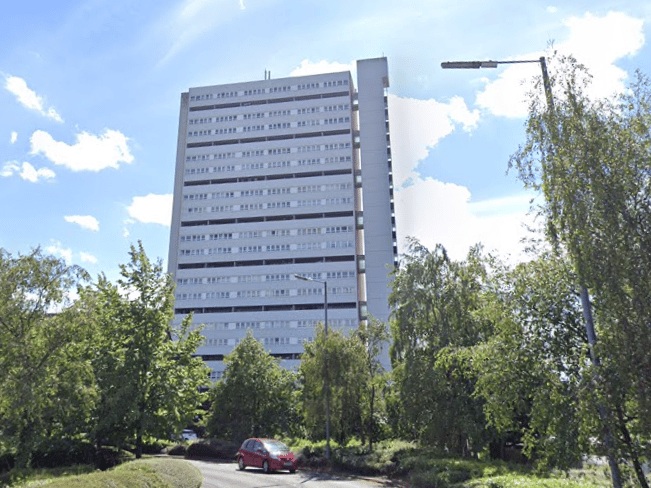
1. Anniesland Court
Anniesland Court and the surrounding area certainly stick out from the rest of Glasgow thanks to their Brutalist architecture. The design was meant to echo the structure of a traditional Glasgow Tenement lying on its side - lending to its odd, albeit unique, shape and structure. Fun fact: It's also the tallest listed building in Scotland. | Google Maps
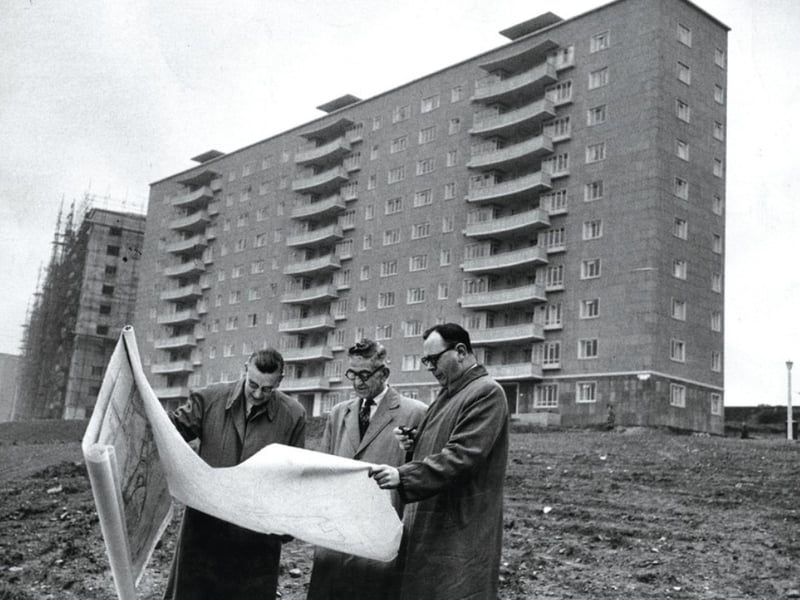
2. Moss Heights
Moss Heights down Cardonald way were the very first high flats to be built in Glasgow back in 1953 - unlike many tower blocks built later which have since seen their demise - the heights were well-built to a high standard and saw semi-regular refurbishment which see the flats retain high-occupancy rates to this day. | Contributed
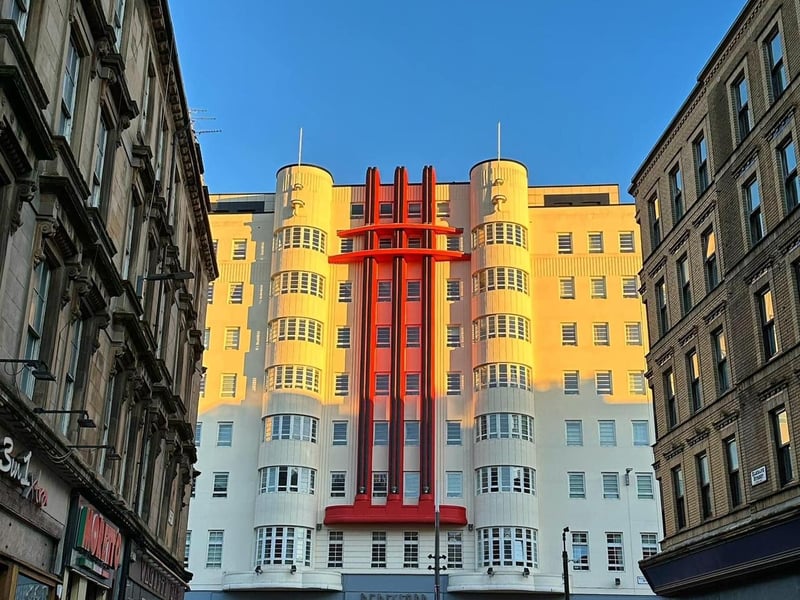
3. Beresford building
The Beresford on Sauchiehall Street building has lived many lives in its near century long history, going from a trendsetting hotel to a treasured student halls before becoming the private accomodation we know it as today. It housed American GIs during the war, and was host to one of JFK's first ever speeches as he tried to stall the outbreak of the second world war on behalf of his politician father. It's also just gorgeous, one of few examples of Art-Deco architecture in Glasgow. | Contributed
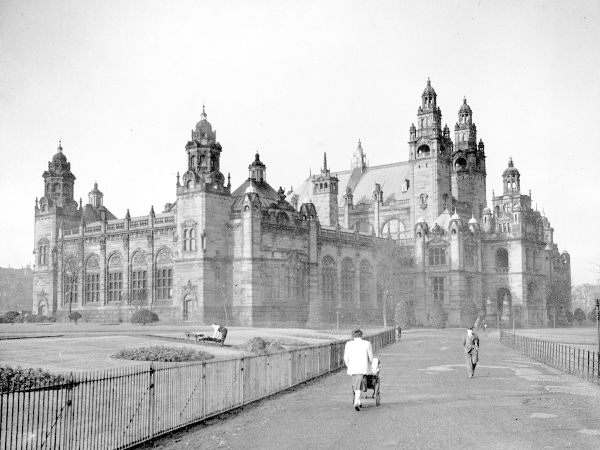
4. Kelvingrove Art Gallery and Museum
Over a century old, the art gallery and museum was built at the very end of the Victorian era in 1901. The gallery was designed by Sir John W. Simpson, who also built the original Wembley Stadium, and E.J. Milner Allen, who designed many of the biggest hospitals across the North of England. Kelvingrove as we know it today opened in 1901 as the ‘Palace of Fine Arts’ for the Glasgow International Exhibition, held in the same year between May 2 and November 4. Kelvingrove was built in the Spanish Baroque style, but was still constructed using Locharbriggs red sandstone - in keeping with the traditional Glaswegian style. One of Glasgow’s biggest and most enduring urban legends is that Kelvingrove was accidentally built back to front. Some versions of the story take it even further, claiming one of the architects died to suicide by throwing themself from one of the towers after experiencing such despair over his mistake. This is false, the main entryway was always meant to be facing towards the park. | Glasgow City Archives