
Scot Squad actor helping Scotland to rethink liver cancer
Actor and director, Sally Reid, is helping cancer experts to raise awareness of a commonly misunderstood type of liver cancer during this year’s Liver Cancer Awareness Month, after her mum was diagnosed with the disease.
Sally is supporting an awareness campaign launched this week in Scotland at a national cancer conference organised by oncologists and scientists from the Universities of Glasgow and Edinburgh, including Professor Chiara Braconi, who is also a consultant oncologist at the Beatson West of Scotland Cancer Centre in Glasgow.
The ‘Rethink Liver Cancer’ campaign is being run by AMMF – The Cholangiocarcinoma Charity to encourage Scots to be more aware of cholangiocarcinoma – a primary liver cancer that is often missed, misdiagnosed and managed too late within our health service.
Sally’s mum, Florence, originally from Glasgow, died last year after being diagnosed with cholangiocarcinoma during the Covid pandemic. At the time of her mum’s diagnosis, Sally didn’t know anything about cholangiocarcinoma, including that it’s a type of liver cancer.
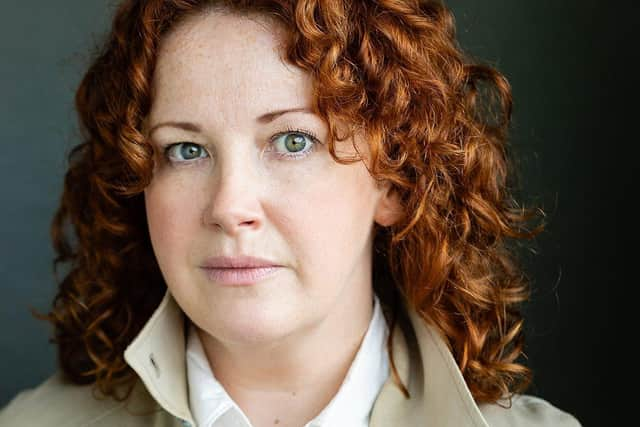

The star of BBC comedy series ‘Scot Squad’, who has just finished an award-winning run of ‘Shirley Valentine’ and is about to start directing a new show, ‘There’s A Place’, at Perth Theatre, explained:
“I hadn’t heard of cholangiocarcinoma before or that the prognosis was so poor. When mum first started to show symptoms, we thought it might be pancreatic cancer. It was only after she had surgery to remove the tumour that she was told what kind of cancer she had.”
Sally’s family had put Florence’s weight loss and bowel changes down to the upheaval of a recent house move, but after her eyes and skin started to turn yellow, a GP friend told Florence she thought she needed to go to hospital. Her GP agreed and she was admitted to hospital for treatment.
Looking back, Sally says the pandemic made it hard to be sure that all possible treatment options were being considered:

“It was a tough time to be diagnosed. I had no idea what else could be done after surgery and chemo, if there were clinical trials mum could enrol on or other treatments she could try.
“After mum died, and I was approached by AMMF, I found out that there are a growing number of drug therapies now being approved for the treatment of cholangiocarcinoma, but there’s a real need to improve awareness of this cancer and ways it can be treated.”
The management of cholangiocarcinoma has recently been transformed by the introduction of several new treatment options, now included in updated national and international guidelines published by the British Society of Gastroenterology and the European Society for Medical Oncology.
AMMF is encouraging medics across Scotland to be aware of this updated guidance and of recent findings that show cholangiocarcinoma is rising sharply in incidence.
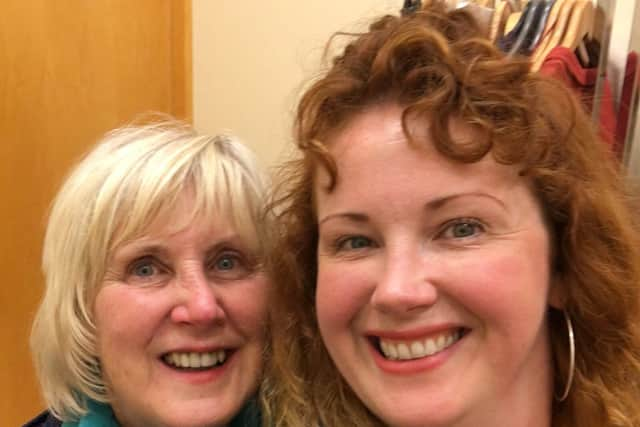
AMMF Chief Executive, Helen Morement, explained:
“Although up to now cholangiocarcinoma has been described as a rare cancer, new evidence suggests that cases are rising significantly, with patient numbers almost doubling to rates that are similar to hepatocellular carcinoma – the other, far more widely recognised primary liver cancer.
“Unlike hepatocellular carcinoma, many people with cholangiocarcinoma do not have a history of liver disease, or any obvious cancer symptoms until the disease is quite advanced. And because symptoms can be similar to other conditions, the cancer is commonly misdiagnosed.
“That’s why we are encouraging everyone in Scotland to rethink liver cancer – to improve very low levels of early-stage diagnosis of cholangiocarcinoma and ensure that people affected by this devastating cancer have access to all possible treatment options.”
For information on cholangiocarcinoma, its symptoms and treatment, visit ammf.org.uk