
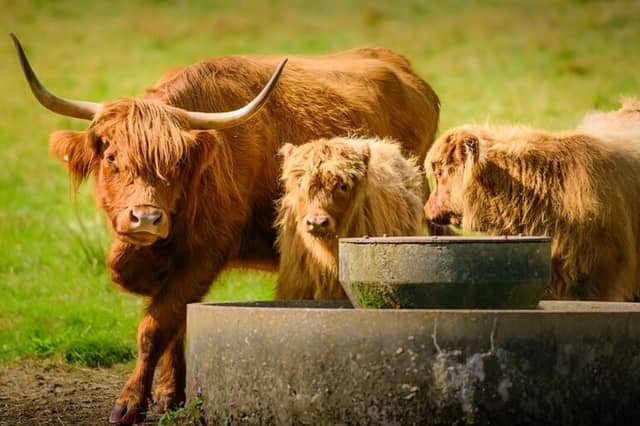


When us Glaswegians think of Highland Cows, it’s very obvious that we’ll think of the Highlands, of a fluffy ginger cow munching on some curd in a beautiful green valley, but we have our very own Highland Cattle within Glasgow itself.
Surprisingly not a lot of people are privvy to the fold of Highland Cows living in Glasgow’s Pollok Country Park - it seems oft forgotten about, and to think a Glaswegian could go their whole lives without ever setting eyes on a fluffy orange cow is heartbreaking.
Around 50 Highland cattle graze at any one time in the Southside park, you can even take part in a guided walk with the Pollok Park Livestock Team and see the cattle get groomed for show and hang out in the fields while hearing the story of the Pollok cows and everything else you need to know about the majestic beasts.
More and more Highland Cows are getting international recognition for their cute and funny aesthetic through social media apps like Instagram and Facebook. So much so that the Highland Cow has become somewhat of an unofficial mascot for Scotland - here’s a quick fun fact for you while we’re at it, the national animal for Scotland isn’t a Highland Coo or a Haggis, it’s actually a Unicorn.
Here’s 11 facts about the Highland Cows of Pollok Park that are sure to make you say ‘Och aye the moo’ (sorry we had put that phrase in somewhere).
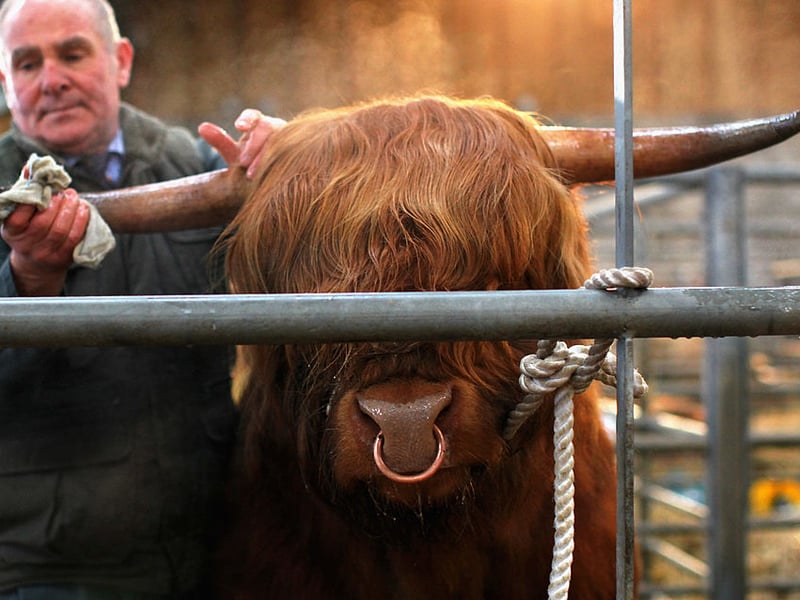
5. Highland Cows have extensive beauty routines
Preparations for show season starts about 6 months in advance, where the best animals of the season begin to get fed up and pampered. Alongside this routine, they have to be trained to walk on a halter, be prepared to be handled by strangers, and undergo some beauty treatments! Their hooves and horns are sanded and polished, and their hair is washed several times before each show to give maximum volume and sheen. | Getty Images
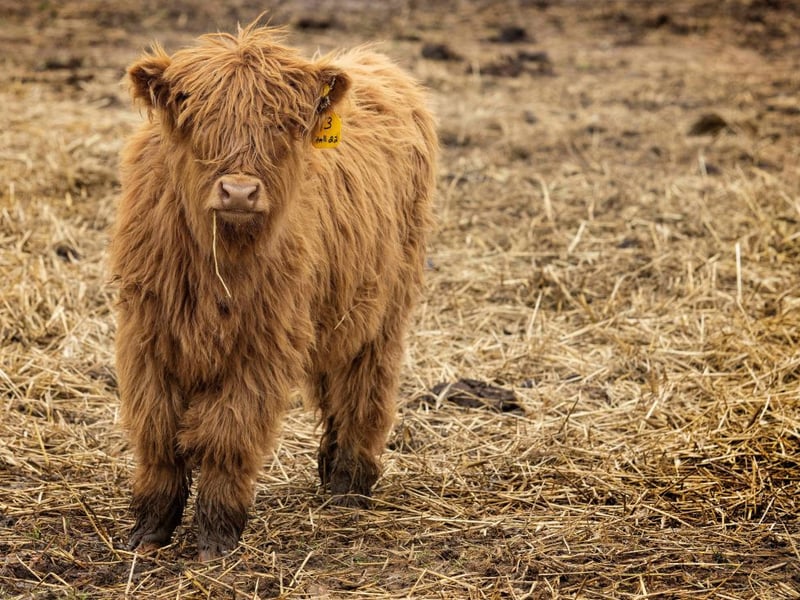
6. Glasgow’s baby Highland Cows are born in the Spring
Pregnancy for a Highland cow lasts roughly the same amount of time as a human pregnancy, around 9 months. From early March, you may even be able to see some of the new calves being born as the cattle always give birth outdoors. Highland cattle reach full maturity at about 4 years old. Females grow to about 135cm from hoof to shoulder and weigh about 500kg; males to about 160cm and can weigh up to 900kg. | AFP via Getty Images
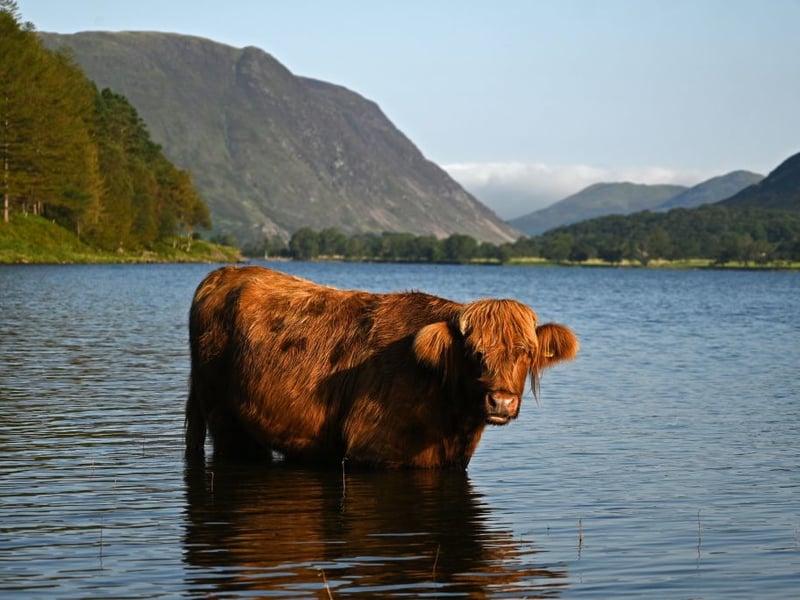
7. All the coos have their own names
Unlike Glasgow gritters (which are named for the patter), when it comes to naming newborn calves, female calves are named after their mothers to help maintain bloodlines and males are given a Gaelic name that begins with the first letter of their mother’s name. Traditionally bred largely in the Scottish Highlands by crofters, it’s common for Highland cattle to have Gaelic names which have been handed down through the generations. | AFP via Getty Images
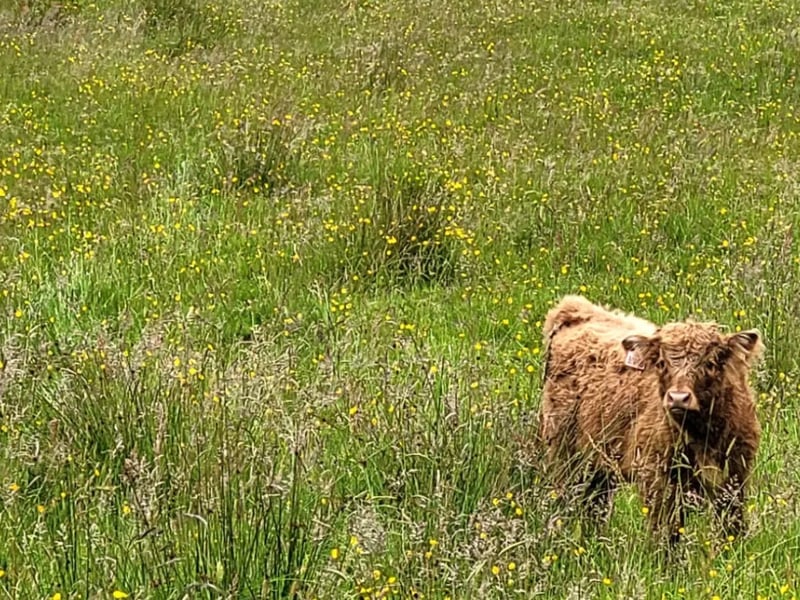
8. Highland Cows never lose their horns
Highland Cows have one set of horns for their entire life, which starts to grow from about 3 months old. Their horns were originally used for protection from predators such as wolves, but now their main purpose is to scratch their back and break low branches to eat fresh, green leaves. They also act as a useful foraging tool to sweep snow from the ground during the winter months. | Discover Glasgow