
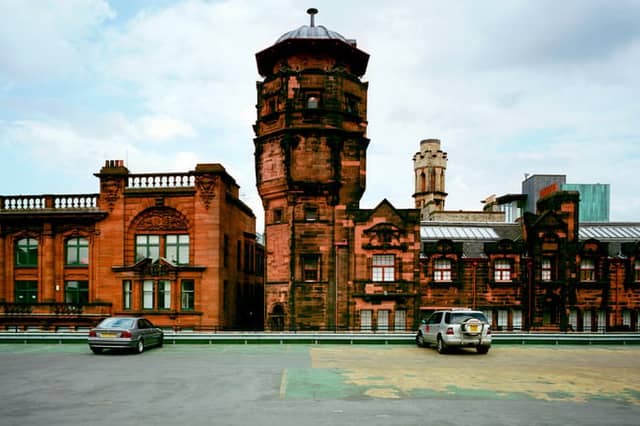


Glasgow is known for its great architecture with many buildings located across the city being a vital part of Glasgow's heritage and identity which we should be celebrating in 2025 as the city turns 850 years old.
You can see the changing face of Glasgow through examples of Art-Deco, Gothic and Victorian architecture in different parts of the city alongside distinctive tenements and grand stone constructions.
The buildings at risk register is populated by important buildings that have been neglected and ignored for too long. It's time for city authorities, owners, planners, architects, developers and the local community to take the necessary steps to ensure these important buildings are restored and returned to being a functioning part of the city rather than monuments to intransigence and decay.
Here are some of the most important buildings in Glasgow we believe should be saved this year.
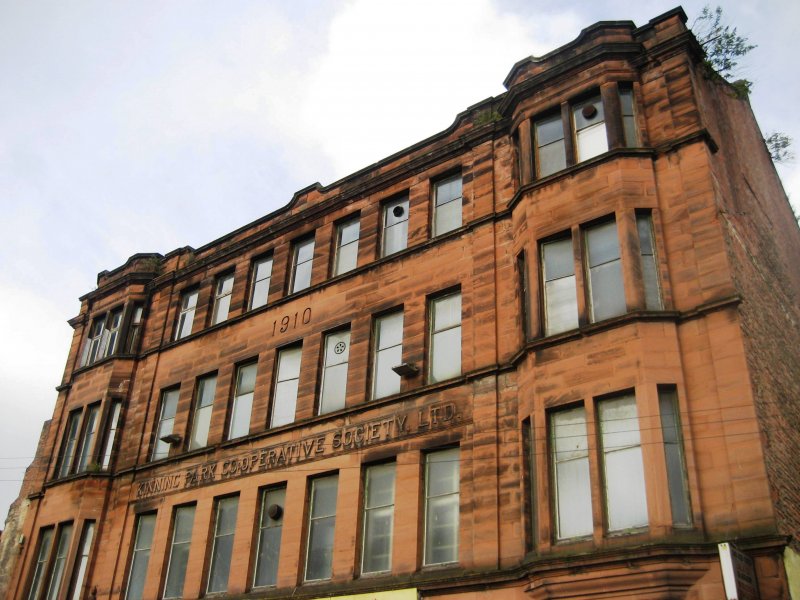
5. Kinning Park Co-operative Society
Kinning Park Co-operative Society can be found on Coburg Street in Laurieston. The building dates back to 1910 having been designed by architects Bruce & Hay. A recent update found that the building has continued to deteriorate. | Historic Environment Scotland

6. Lions Chambers
It remains unclear what's next for the Lion Chambers - it's incredibly unlikely to be demolished thanks to its listed status. Though the expensive repair cost for a building that is unlikely to survive more than two decades without needing further repairs essentially means that the building is in limbo for the time being. | Scott Abercrombie
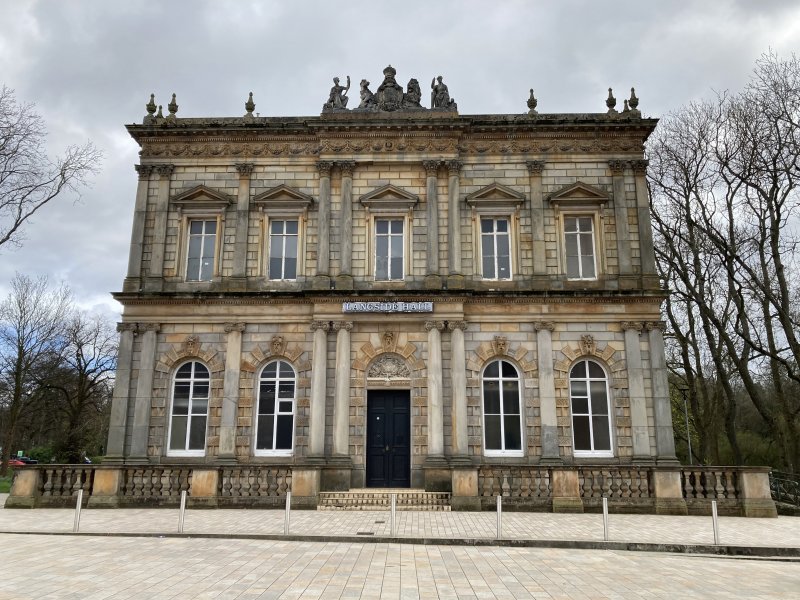
7. Langside Halls
Langside Halls was re-erected on a new site in 1901 and designed in a rich Italian Renaissance style. The building's disuse is ongoing. | Historic Scotland
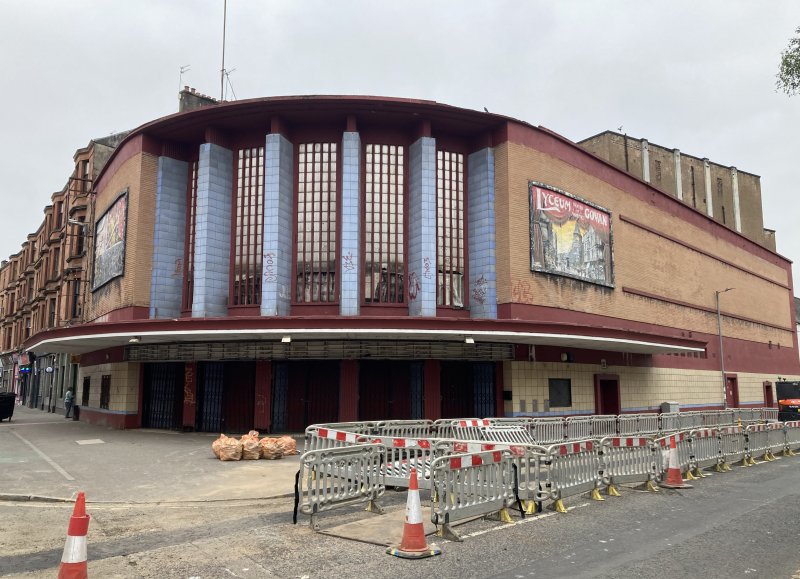
8. Lyceum Cinema
The Lyceum Cinema, a landmark Grade B Listed building in Govan has been empty for many years. The owner has proposed reopening the building in summer 2025 but there is no indication on how this will be achieved and community groups have called for the building to be subject to a compulsory purchase order. | Historic Environment Scotland