
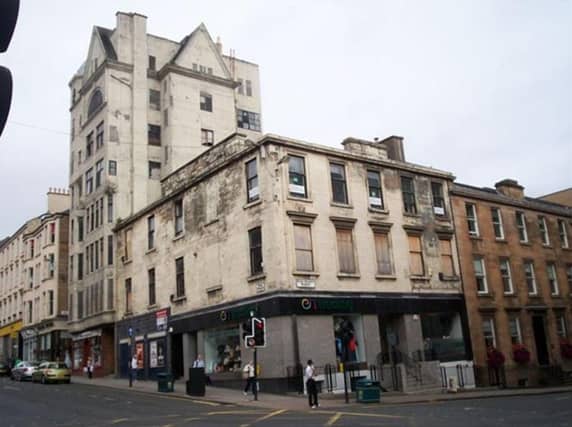


You only have to take a walk along Glasgow’s Sauchiehall Street to see buildings which were once bustling sites, no longer in use with one of the most recent examples being the former Dino Ferrari premises which is now empty.
Some of these sites are fantastic architectural glories which have been left abandoned with no clear plan about their future, meaning that some have became open to the elements which can be very unforgiving due to the weather which hits the city
Here are eighteen buildings in the city which are still standing but no longer in use.
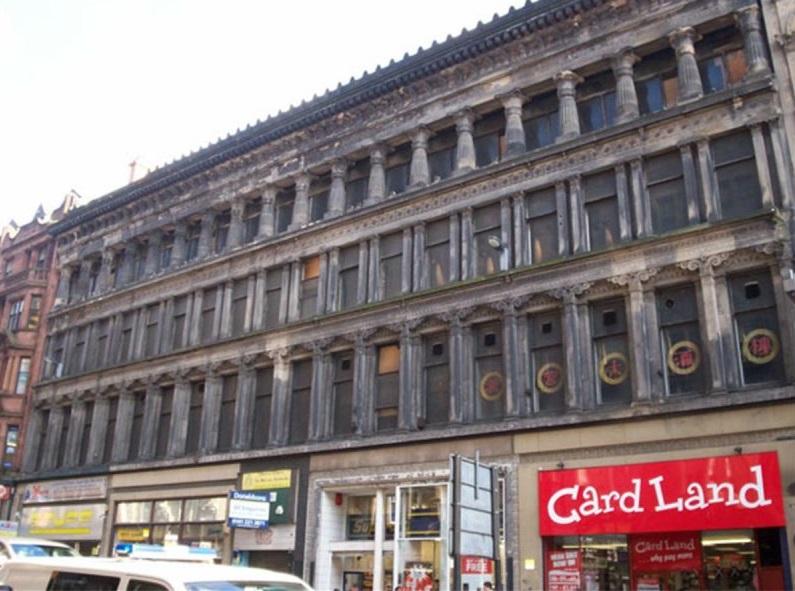
5. Egyptian Halls, Union Street
Designed by Alexander “Greek” Thomson, the continued demise of the Egyptian Halls has caused controversy for years. It has been lying empty for more than 40 years Photo: Copyright Historic Environment Scotland
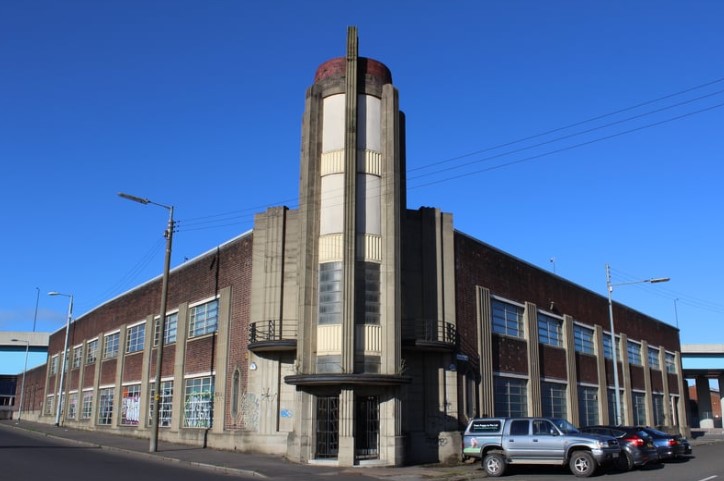
6. Leyland Motor Company Building
The Leyland Motor Company building looks like it was plucked right out of boom-time Detroit, but you can actually find the building in Tradeston. The beautiful building is one of the most unique in Glasgow, and it’s a tragedy that the building now finds itself on the Buildings at Risk register. It lies empty, after a brief period of time in use as After it ceased to be used by the Leyland Motor Company, the building was taken over by the Strathclyde Police Mounted and Dog Branch as a stable block and kennel. It now lies derelict. | Contributed
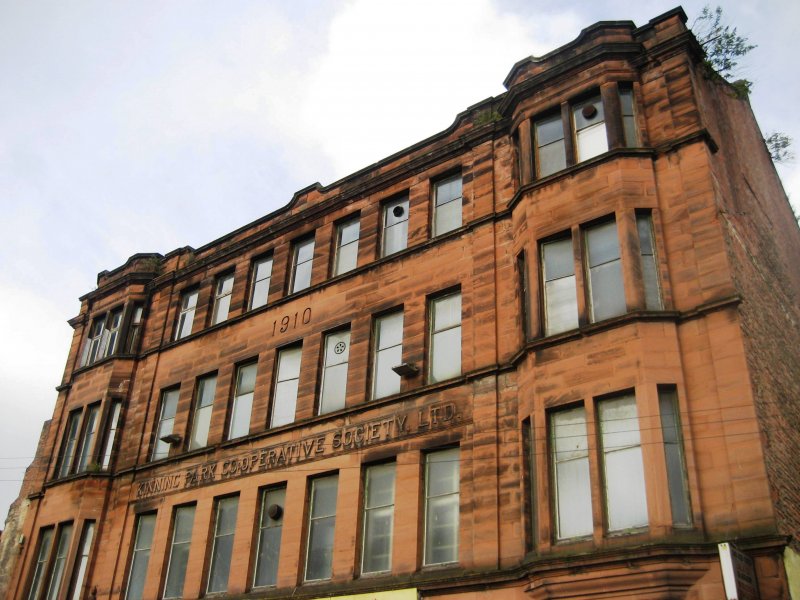
7. Kinning Park Co-operative Society
Kinning Park Co-operative Society can be found on Coburg Street in Laurieston. The building dates back to 1910 having been designed by architects Bruce & Hay. A recent update found that the building has continued to deteriorate. The ground floor continues to be occupied. | Historic Environment Scotland
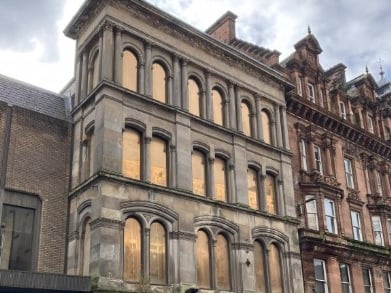
8. 18 Cambridge Street
The Venetian-style commercial building on Cambridge Street dates back to 1884 and was designed by architect Duncan McNaughtan. Speaking about the current state of the building, Historic Environment Scotland said: " There are signs of damp in the masonry, primarily concentrated around horizontal courses between floors. Salts and discolouration are visible around much of the horizontal masonry, however it appears to be worse on the ground and first floors where algae and vegetation growth is also visible. The finish above the arched entry on the right is peeling and there are signs of stone decay. There are also areas where the stone is beginning to decay under the windows of the first floor and along the masonry affected by damp." | Historic Environment Scotland