
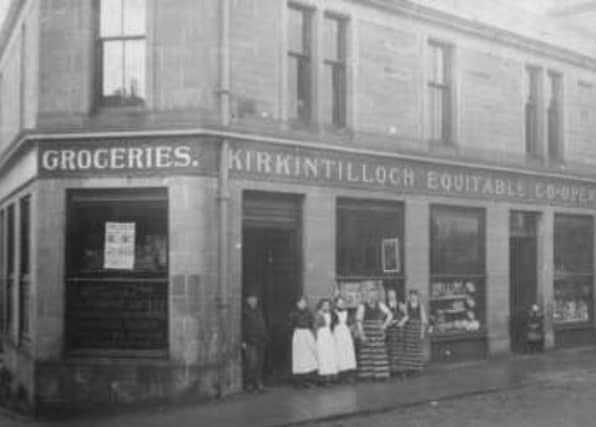


Kirkintilloch has a storied history, dating all the way back to the mid 2nd-century where there was a Roman fort in what is now Peel Park - defending the Antonine Wall which ran through the town, long before the foundations of the town were ever placed.
A thousand or so years later in the 12th century, a castle and church was established by Clan Cumming - a small settlement grew around the buildings and it was granted burgh status in 1211, it was an important staging post for caravans leaving Glasgow for the east.
During the wars of independence, soldiers from the castle were dispatched to arrest William Wallace at Robroyston in 1305 - in retaliation, the castle was attacked by Scottish forces in 1306 under Bishop Wishart of Glasgow (using timber given to Glasgow diocese by the English for cathedral repairs), but the siege was unsuccessful. It’s believed the castle was later ordered to be destroyed by Robert Bruce.
Kirkintilloch would again find itself at the centre of Scottish history when it became one of the furnaces stoking Scotland’s industrial revolution. The construction of the Forth and Clyde Canal in 1773 and the establishment of the Monkland and Kirkintilloch railway in 1867 made it a hub for transport as well as a huge production centre for iron, coal, nickel, and even smaller ships.
By 1790, there were 185 weavers in Kirkintilloch, a popular trade practiced in cotton mills - by 1867 James Slimon’s mill at Kelvinside employed around 200 women.
Here are 16 old photographs that capture the changing face of Kirkintilloch and everyday life in the town throughout the years.
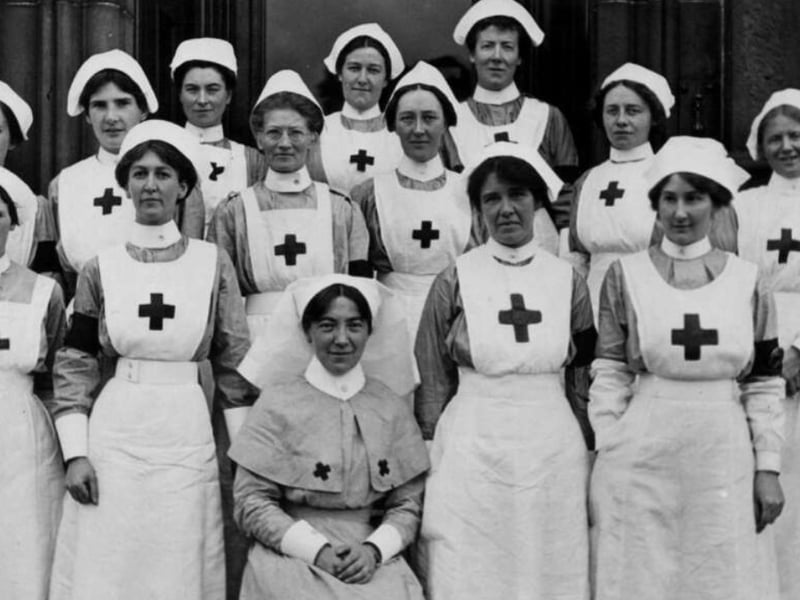
5. Gartshore Auxiliary Hospital nurses
Gartshore Auxiliary Hospital nurses in 1914 - these women would tend to injured military personnel during the first world war. | East Dunbartonshire
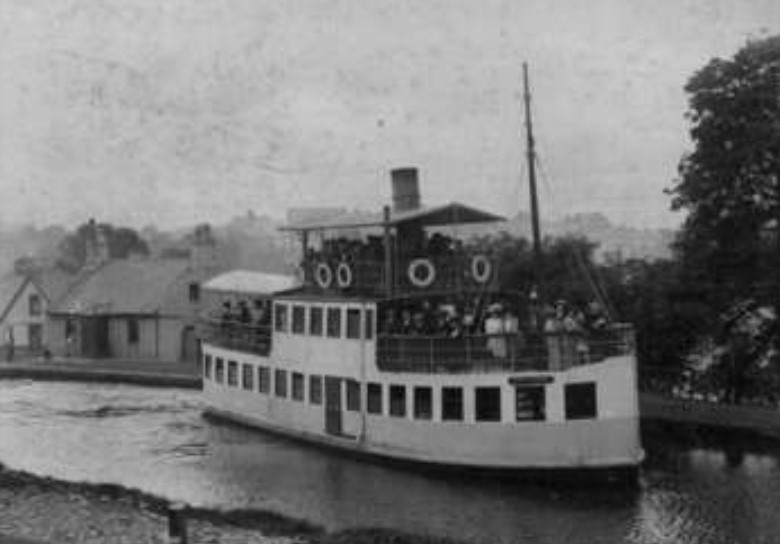
6. The SS ‘Gipsy Queen'
The SS ‘Gipsy Queen’, at Hillhead, Kirkintilloch. A Paisley-built ‘pleasure steamer’ operated by James Aitken and later his son George. The local family business ran a total of five steamers on the canal over the years - most famously the ‘May Queen’ (1903-1912) and the ‘Gipsy Queen’ (1905-1939). | East Dunbartonshire Council
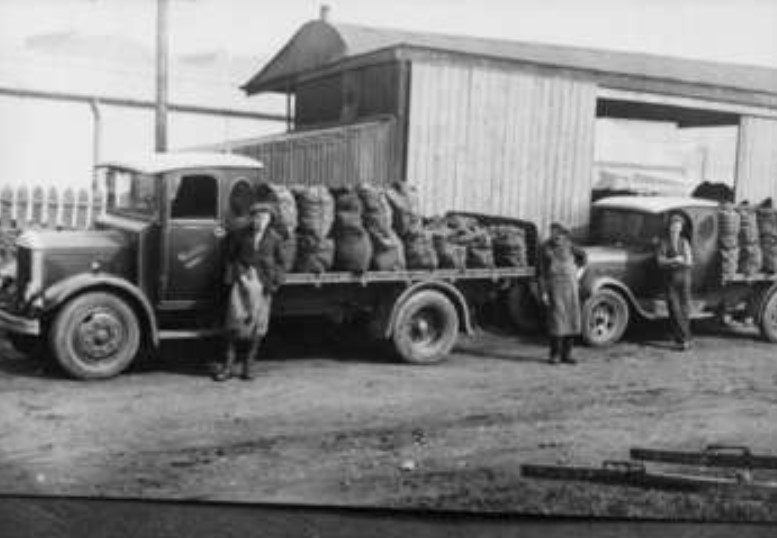
7. Co-operative coal
Coal lorries are loaded by drivers for the Kirkintilloch Equitable Co-operative society | East Dunbartonshire Council
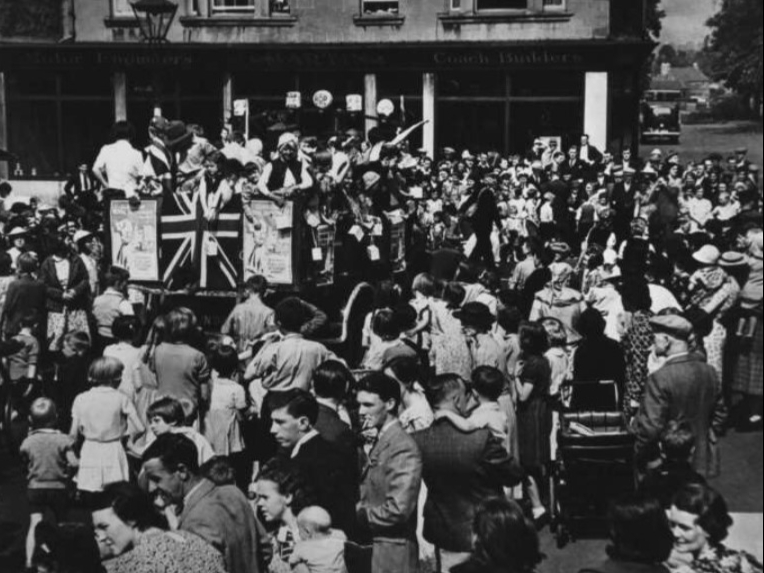
8. Charities Day
A ‘Charities Day’ in Kirkintilloch (circa.1940) to raise funds and provision for the nearby Glasgow Royal Infirmary, where many wounded soldiers and people injured in the Blitz were being treated. Emblematic of the time, one performer on the stand can be seen in ‘blackface’ - a racist caricature harkening to America’s Jim Crow culture which mocked and ridiculed African-Americans for the entertainment of white audiences. The laws in America affirming black people as second class citizens were in place well up until 1965. | East Dunbartonshire Council