
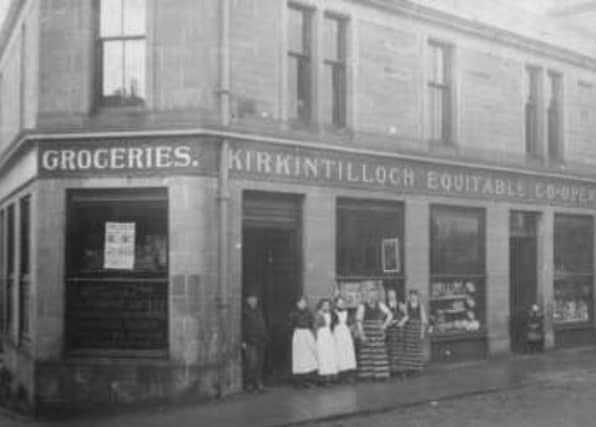


Kirkintilloch has a storied history, dating all the way back to the mid 2nd-century where there was a Roman fort in what is now Peel Park - defending the Antonine Wall which ran through the town, long before the foundations of the town were ever placed.
A thousand or so years later in the 12th century, a castle and church was established by Clan Cumming - a small settlement grew around the buildings and it was granted burgh status in 1211, it was an important staging post for caravans leaving Glasgow for the east.
During the wars of independence, soldiers from the castle were dispatched to arrest William Wallace at Robroyston in 1305 - in retaliation, the castle was attacked by Scottish forces in 1306 under Bishop Wishart of Glasgow (using timber given to Glasgow diocese by the English for cathedral repairs), but the siege was unsuccessful. It’s believed the castle was later ordered to be destroyed by Robert Bruce.
Kirkintilloch would again find itself at the centre of Scottish history when it became one of the furnaces stoking Scotland’s industrial revolution. The construction of the Forth and Clyde Canal in 1773 and the establishment of the Monkland and Kirkintilloch railway in 1867 made it a hub for transport as well as a huge production centre for iron, coal, nickel, and even smaller ships.
By 1790, there were 185 weavers in Kirkintilloch, a popular trade practiced in cotton mills - by 1867 James Slimon’s mill at Kelvinside employed around 200 women.
Here are 16 old photographs that capture the changing face of Kirkintilloch and everyday life in the town throughout the years.
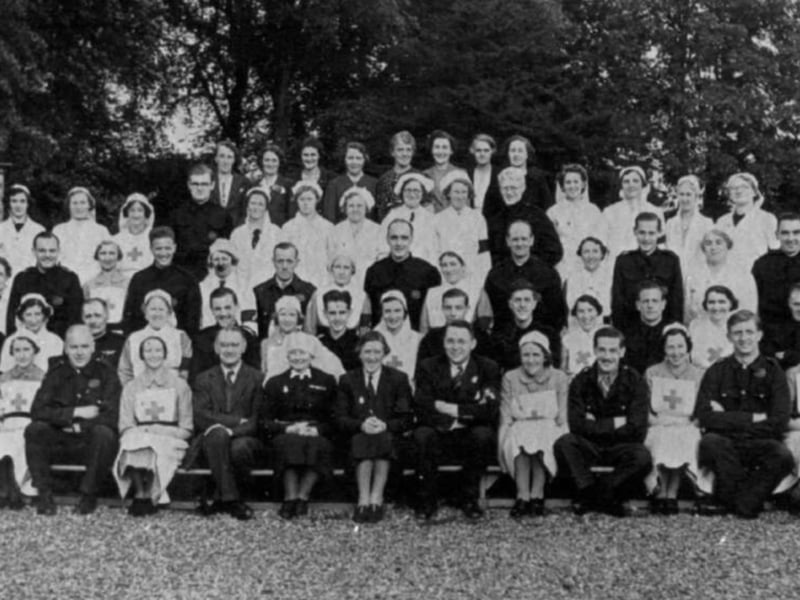
9. Kirkintilloch’s home front during WW2
Pictured above are the first aid post personnel of Kirkintilloch during the second world war, the brave volunteers cared for the community while their family and friends fought across Europe. Kirkintilloch took in many refugees from Clydebank and Glasgow damaged during the Blitz, who the first aid team would attend to. | East Dunbartonshire Council
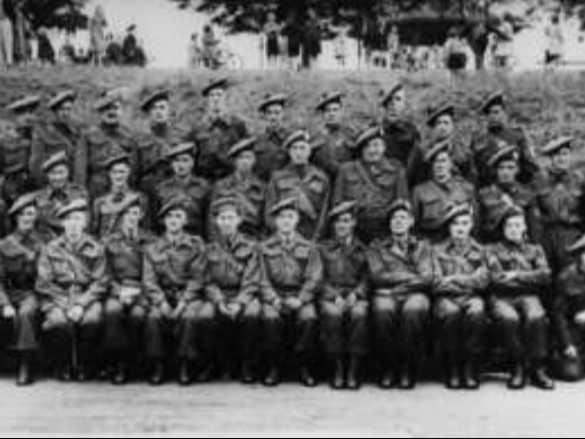
10. The Kirkintilloch Home Front
The Kirkintilloch Home Front protected the community from Blitz raids during the Second World War - the Clyde, particularly Clydebank, was heavily targeted for their shipbuilding in the British war effort. The nearby town of Bishoppbriggs was heavily damaged by German bombings in 1941 - so the Home Guard of Kirkintilloch had to remain ever-vigilant. | East Dunbartonshire Council
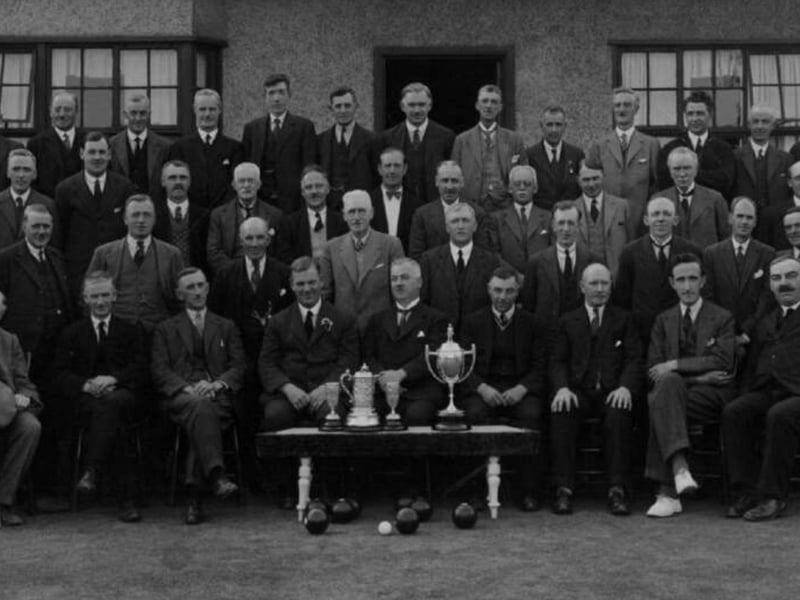
11. Kirkintilloch Bowling Club
The well-dressed gentlemen of Kirkintilloch Bowling Club pose for a photograph with their latest trophy, circa. 1927. | East Dunbartonshire Council
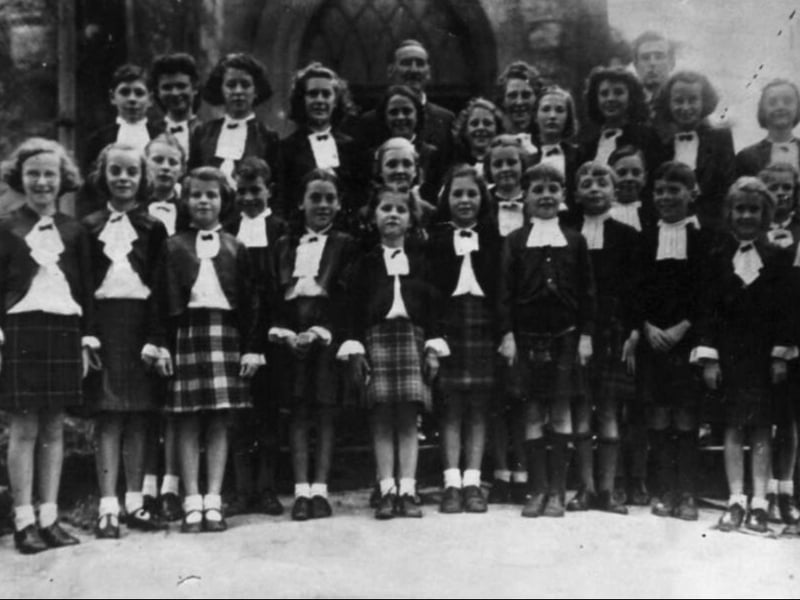
12. Kirkintilloch Junior Choir
All smiles from the Kirkintilloch Junior Choir, led by Reverend John R MacPherson, following the end of World War 2. Circa. 1947. | East Dunbartonshire Council