

Launching from Glasgow and Clydebank, some of the most famous vessels of the 20th century were brought to life, helping define an era when the Clyde was at the heart of global naval engineering.
Among the most celebrated are the great ocean liners that captured public imagination and reshaped transatlantic travel. The ill-fated yet legendary RMS Lusitania, the elegant and record-breaking RMS Queen Mary, and the long-serving Queen Elizabeth 2 all emerged from this remarkable industrial corridor.
Together, they reflect not only advances in naval architecture and engineering, but also the ambition of an age when ocean liners were symbols of national pride, technological progress, and luxury travel.
Take a look at the story behind six of the most famous vessels to be built on the Clyde.
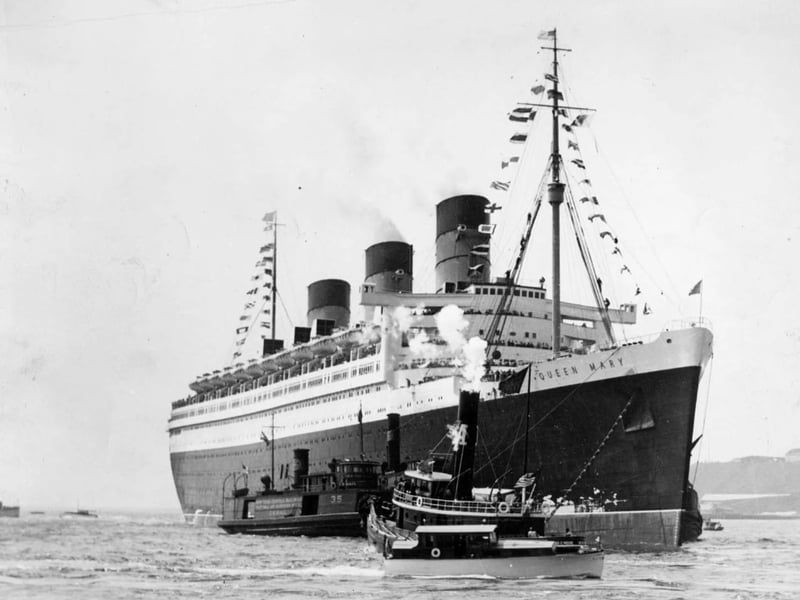
1. Queen Mary
The RMS Queen Mary was constructed for Cunard-White Star Line by shipbuilding firm John Brown at Clydebank. Her maiden voyage was in May of 1936, and in August of that year she would go on to win the Blue Riband — an accolade for transatlantic passenger liners with the highest average speeds. The Queen Mary features some of the grandest interior designs ever seen aboard an ocean liner. Influenced by the Art Deco movement of the 1920s and 30s, the distinctive design includes strong curves and geometric forms. With the onset of World War II resulting in the ship’s conversion to troopship for Allied soldiers. Following the war, the Queen Mary once again began shuttling passengers back-and-forth across the Atlantic ocean. The late 1950s saw the arrival of the jet age, resulting in the decrease of demand for sea travel and inevitably leading to the retirement of the Queen Mary in the late 1960s. During her service, the Queen Mary transported over 2 million passengers, and approximately 810,000 members of the military during World War II. The Queen Mary was purchased by the City of Long Beach in 1967, who then worked to transform the vessel into a hotel, museum and event space. The ship has hosted a dazzling array of famous faces over the decades, including Elizabeth Taylor, Clark Gable, Bob Hope, Bing Crosby, The Queen Mother, Winston Churchill, Audrey Hepburn and Greta Garbo. | Contributed
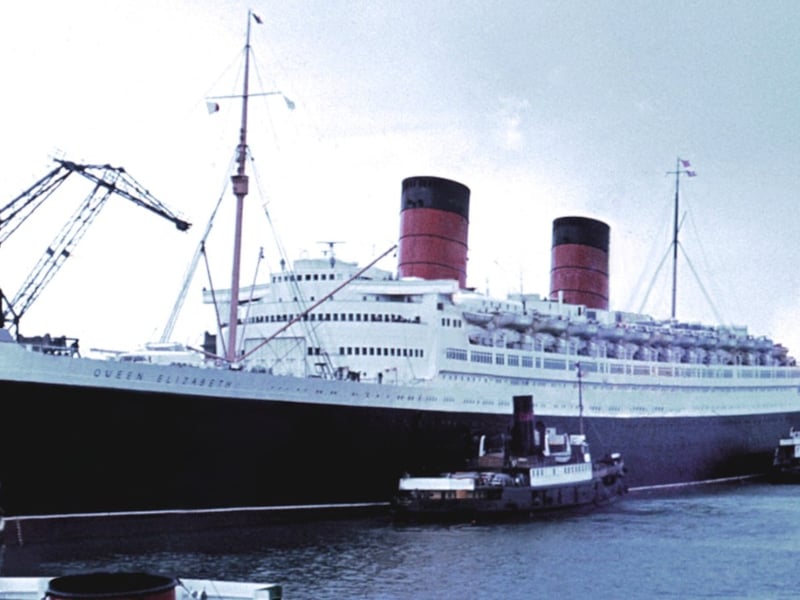
2. Queen Elizabeth
Launched on September 27, 1938 - the Queen Elizabeth was the largest cruise liner in the world when it was constructed in Clydebank. She provided a weekly transatlantic service between Southampton and New York City, becoming one of the most famous ships in the world. In 1972, whilst she was undergoing refurbishment in Hong Kong harbour, a fire broke out aboard, and the vessel was capsized by the water used to fight the fire. The upturned ship featured in Bond film The Man with the Golden Gun. | Wikipedia
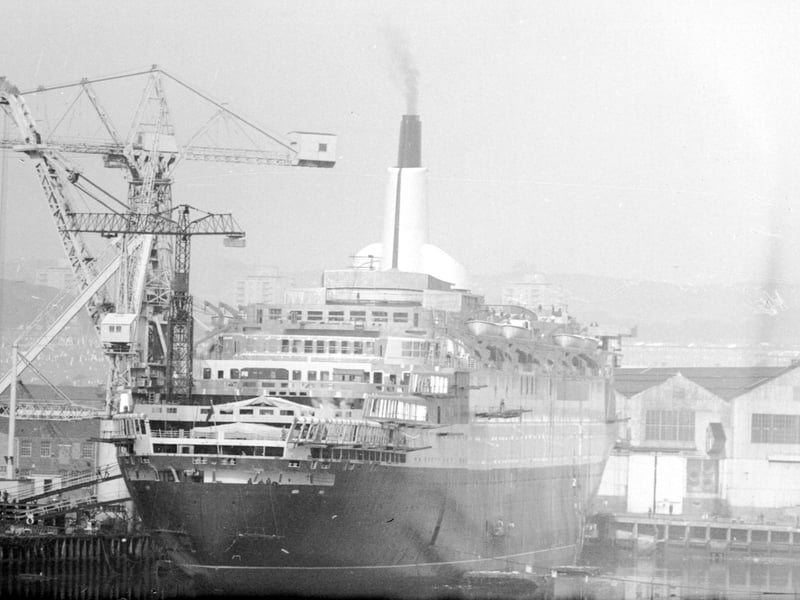
3. Queen Elizabeth 2
The Queen Elizabeth 2 was built by John Brown's shipyard in Clydebank in 1965, then operated by Cunard as both a transatlantic liner and a cruise ship from 1969 to 2008. The designers included artwork in the public rooms of the ship, as well as maritime artefacts drawn from Cunard's history of operating merchant vessels. The ship is now a floating hotel in Dubai. Photo: Gordon Rule
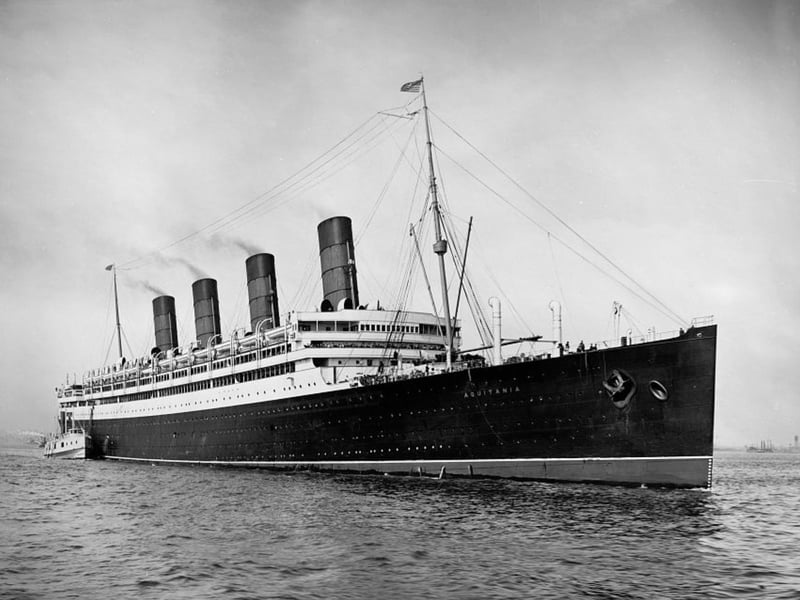
4. RMS Aquitania
The RMS Aquitania was an ocean liner from the Cunard Line which served between 1914 and 1950. Designed by Leonard Peskett and built by John Brown & Company in Clydebank, she was first launched on April 21 1913. Her maiden voyage took place from Liverpool to New York the year following on May 30. In her 36 years, the vessel served military duty in both world wars and returned to passenger service after both. She was nicknamed The Ship Beautiful for her interior and Old Reliable for her war service. Photo: via Picryl