

East Kilbride was the first new town to be designated in Scotland with the status being confirmed on May, 6 1947.
The building of new houses began in 1948, with there being an incredible 8,000 housing applications received by 1950 which would signal a remarkable move of population and industry to the area.
By 1952, Rolls Royce and Hayward Tyler had moved into the town with Rolls Royce opening the following year. More housing milestones continued to be completed with the first phase of the town centre being officially opened by Prime Minister Harold Macmillan in 1959.
The town continued to grow from strength to strength throughout the sixties and seventies as homes and infrastructure continued to be built to accommodate 75,000 people.
We wanted to take a look at the most historically important buildings in the South Lanarkshire town and look at the history behind them.
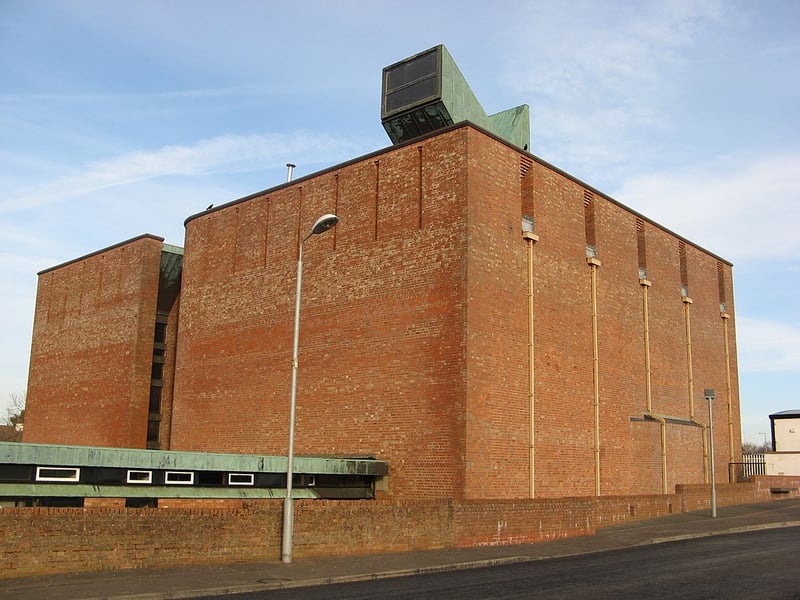
1. St Bride's Roman Catholic Church
The building is regarded as one of the finest examples of British twentieth century ecclesiastical architecture. It was designed by the architects Gillespie, Kidd and Coia and built between 1959 and 1964. | Jonathan Oldenbuck
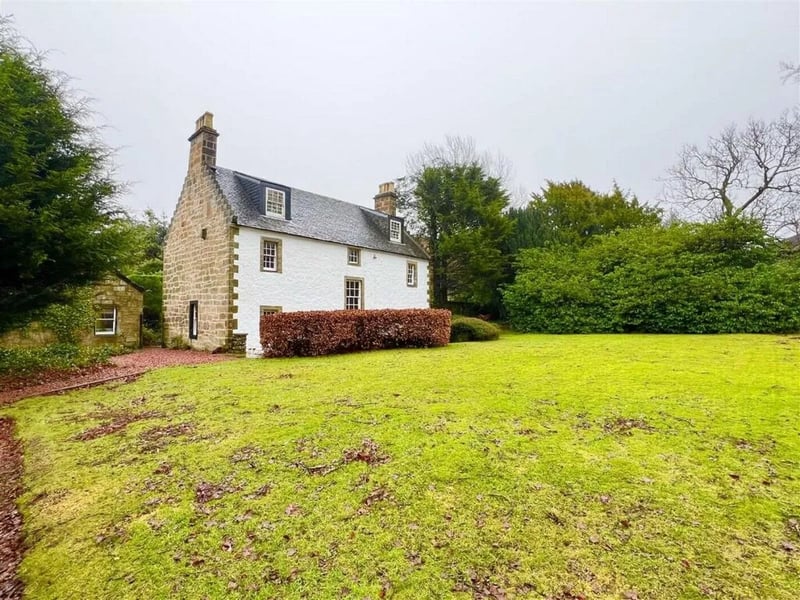
2. Brousterlands
Brousterlands in East Kilbride is a category A-listed late-17th-century classical laird's house. | Residence Estate Agents
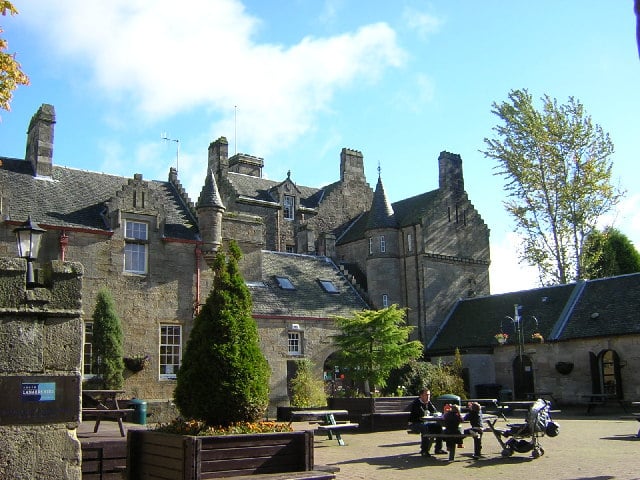
3. Torrance House
Torrance House in East Kilbride dates back to the 17th century and was designed by William Adam and 19th-century Scots Baronial alterations. | Iain Thompson/Wikipedia
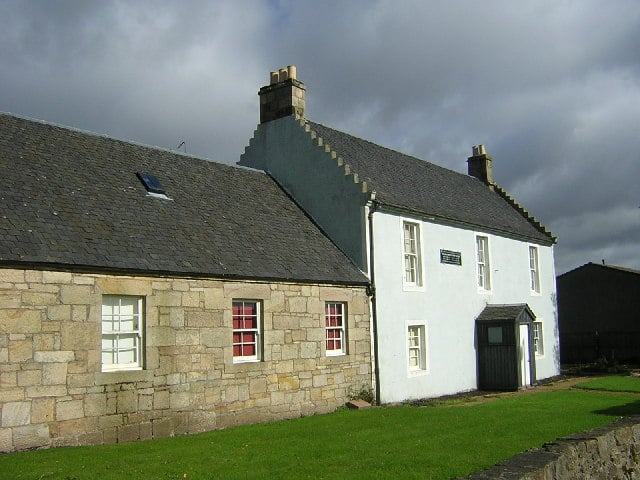
4. Hunter House
The 75 acre estate of Long Calderwood was purchased by John Hunter, the Hunter brothers' father in 1717. Hunter House is the original Long Calderwood Farm and may be the oldest building in East Kilbride. This house was the birthplace and childhood home of the famous local brothers, William and John Hunter. | Iain Thompson