
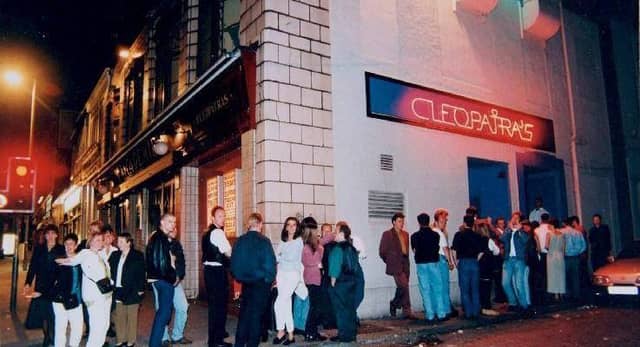


To understand Glasgow in the 1980s is to encounter a city suspended between the gravity of its industrial past and the necessity of reinvention.
It was a decade of sharp contrasts: severe economic hardship alongside a growing cultural self-belief, crumbling urban landscapes set against ambitious new visions, and a population negotiating daily struggle with an unshakeable pride in place. For those who lived through it, Glasgow was never just a setting — it was a presence: hard-edged, energetic, and alive.
The collapse of heavy industry struck Glasgow with particular force. Shipyards that had once embodied world-leading engineering fell quiet, steelworks shut their doors, and unemployment rose dramatically. Entire communities bore the weight of this upheaval, with social tension woven into everyday life. Yet even in uncertainty, Glaswegians held on to the humour, solidarity, and resilience that outsiders often fail to fully grasp. Neighbours leaned on one another, and wit became a form of shared defence.
At the same time, the 1980s marked the early stages of Glasgow’s contemporary transformation. Regeneration efforts — imperfect and often contentious — began to reshape the city’s physical and cultural landscape. Art, music, and design gained fresh momentum, nurturing creative movements that would leave a lasting imprint. The foundations were being laid for milestones such as the Glasgow Garden Festival and the city’s later recognition as European City of Culture, even if the future remained unclear to those living it.
Here are 80 nostalgic pictures offering a fascinating glimpse of Glasgow in the 1980s.
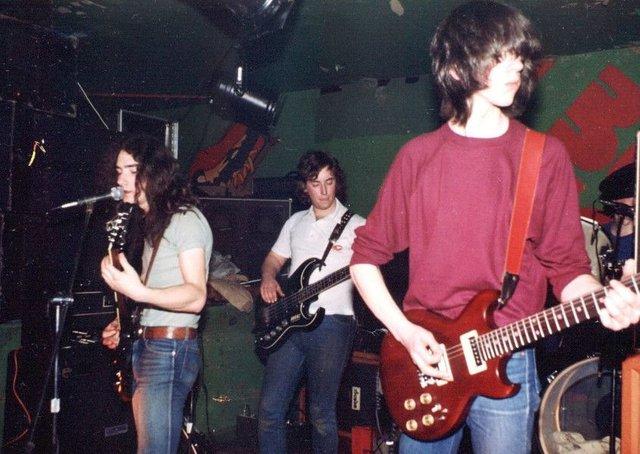
45. A lost Glasgow institution
The Burns Howf was probably, at one time, one of the best known live Rock venues in Glasgow. Situated on West Regent Street, the Burns Howf was the place to go for some of the best live music. Before Rufus T. Firefly and the Solid, the Burns Howf was the place to go to sate your rock needs; it is even said that Alex Harvey met his Sensational Band mates there. Sadly, the Burns Howf closed its doors for the last time in 1984, but its legend lives on; most Glaswegians of a certain age will have a story to tell about this hallowed venue. Photo: Kafuffle\wikimedia
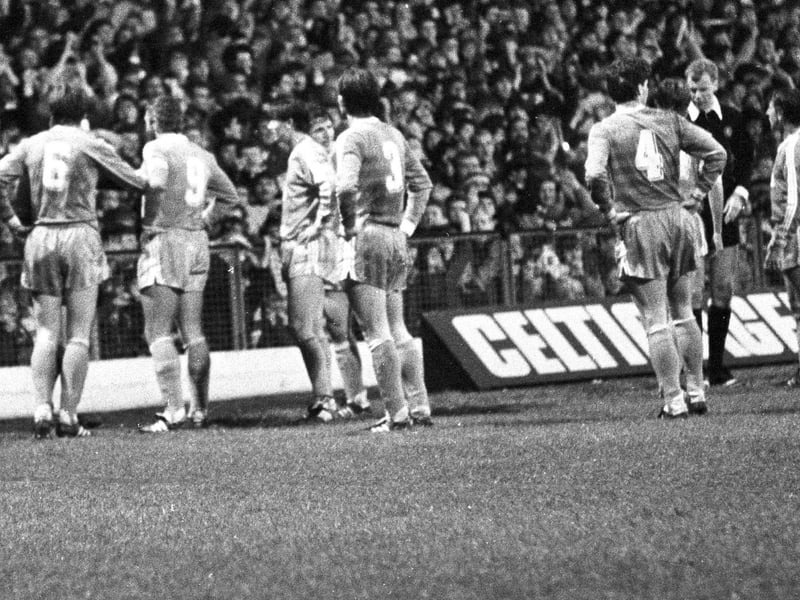
46. Celtic v Rapid Vienna 1984
The referee halts play as the ill-tempered second half between Celtic and Rapid Vienna in 1984 leads to a bottle being thrown onto the field. Celtic won 3-0 at Parkhead, but the hostility between teams and fans was akin to that of the Old Firm. Photo: SNS Group
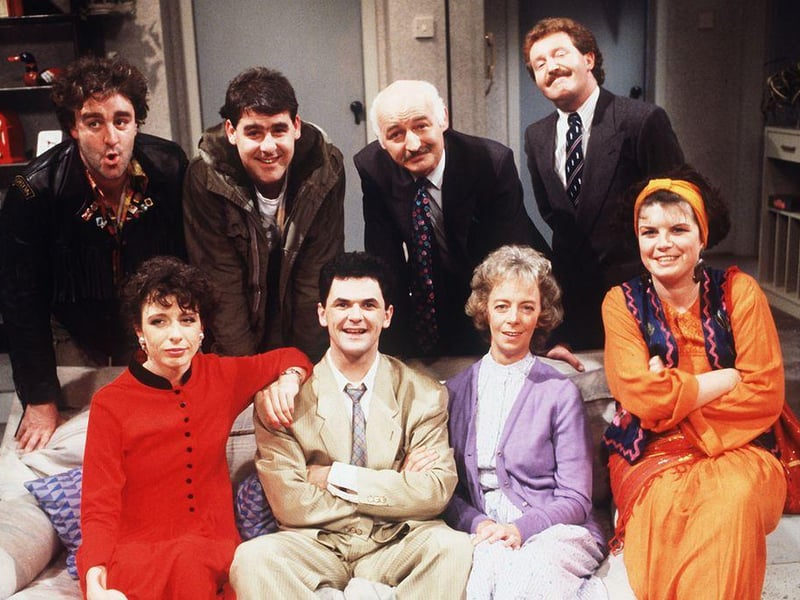
47. City Lights
Glaswegians of a certain generation will lovingly remember City Lights, a Glasgow-based sitcom which ran for six series between 1984-1991. Photo: BBC
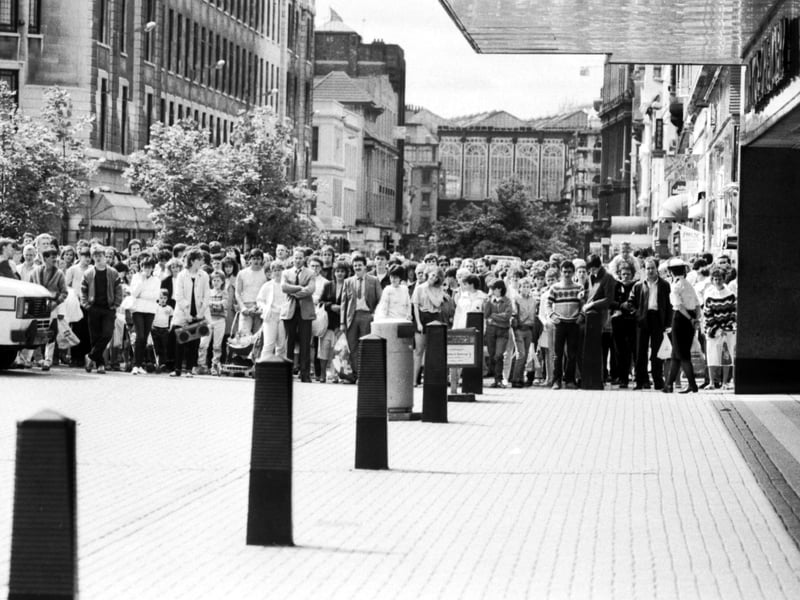
48. Bomb scare on Argyle Street
Glasgow crowds and shoppers stand well back when a suspect package is discovered in a litter bin outside Marks & Spencer store in Argyle Street, July 1985. The bomb disposal squad were called in but the bomb scare proved to be a hoax. Photo: Donald MacLeod