
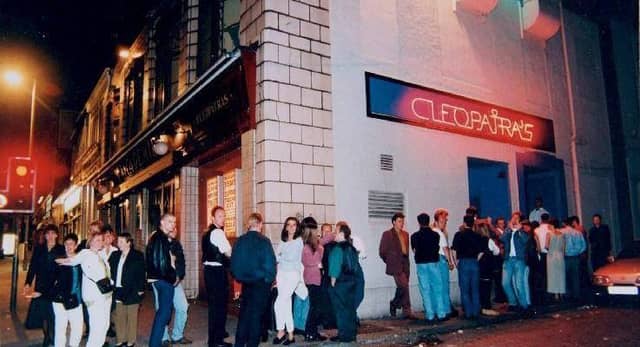


To understand Glasgow in the 1980s is to encounter a city suspended between the gravity of its industrial past and the necessity of reinvention.
It was a decade of sharp contrasts: severe economic hardship alongside a growing cultural self-belief, crumbling urban landscapes set against ambitious new visions, and a population negotiating daily struggle with an unshakeable pride in place. For those who lived through it, Glasgow was never just a setting — it was a presence: hard-edged, energetic, and alive.
The collapse of heavy industry struck Glasgow with particular force. Shipyards that had once embodied world-leading engineering fell quiet, steelworks shut their doors, and unemployment rose dramatically. Entire communities bore the weight of this upheaval, with social tension woven into everyday life. Yet even in uncertainty, Glaswegians held on to the humour, solidarity, and resilience that outsiders often fail to fully grasp. Neighbours leaned on one another, and wit became a form of shared defence.
At the same time, the 1980s marked the early stages of Glasgow’s contemporary transformation. Regeneration efforts — imperfect and often contentious — began to reshape the city’s physical and cultural landscape. Art, music, and design gained fresh momentum, nurturing creative movements that would leave a lasting imprint. The foundations were being laid for milestones such as the Glasgow Garden Festival and the city’s later recognition as European City of Culture, even if the future remained unclear to those living it.
Here are 80 nostalgic pictures offering a fascinating glimpse of Glasgow in the 1980s.
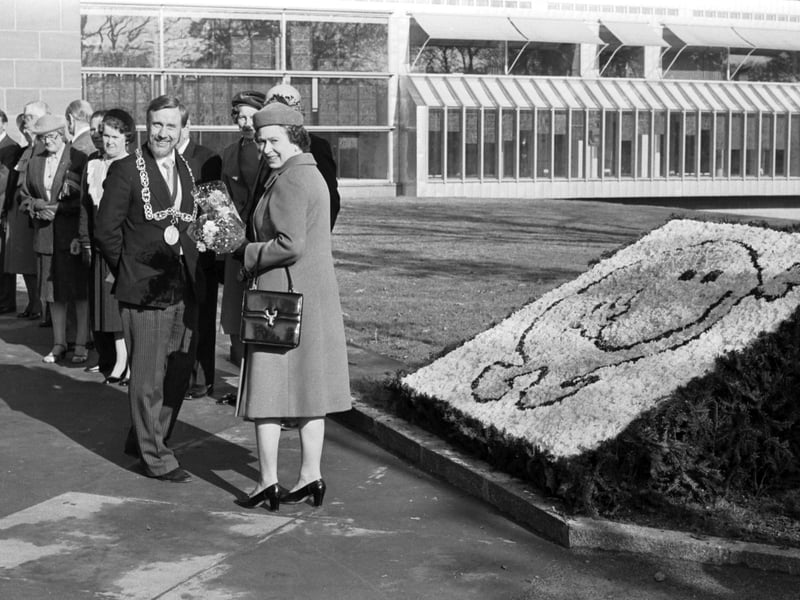
41. The Queen in Glasgow
Queen Elizabeth II, escorted by Lord Provost Dr Michael Kelly, officially opened the Burrell Museum, built in Pollok Country Park Glasgow to house the Burrell Collection, in October 1983. The Queen and Provost Kelly walk past the 'Glasgow Smiles Better' smiley face logo. Photo: Brian Stewart
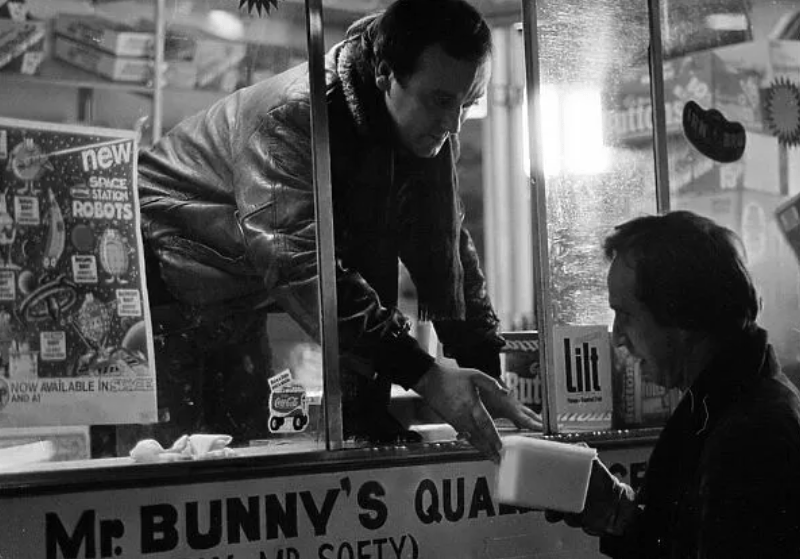
42. Comfort and Joy (1984)
This 1984 comedy film follows a Glasgow radio DJ whose life is upended after his girlfriend leaves him, resulting in his eventual involvement in the ice cream wars. | N/A
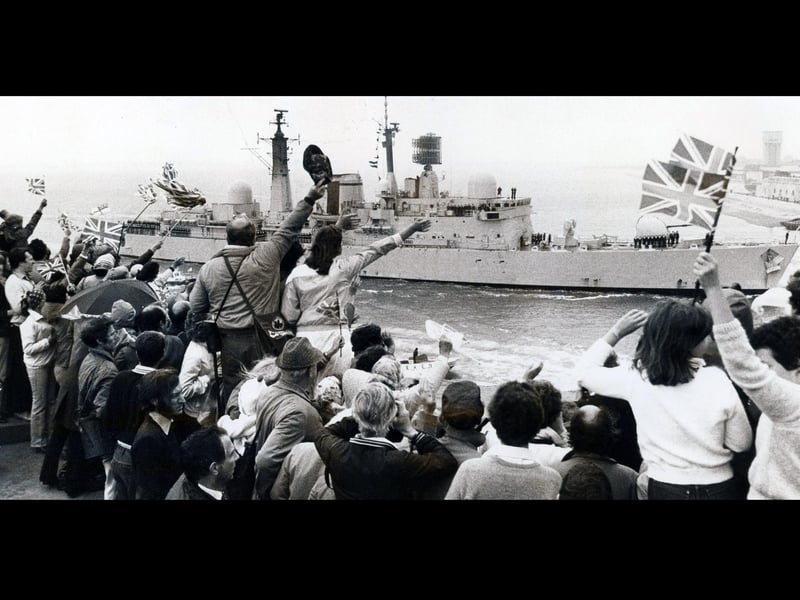
43. Returning from war
HMS Glasgow enters Portsmouth Harbour for repairs after taking a hit in the Falkland War, 1982. Photo: The News archive
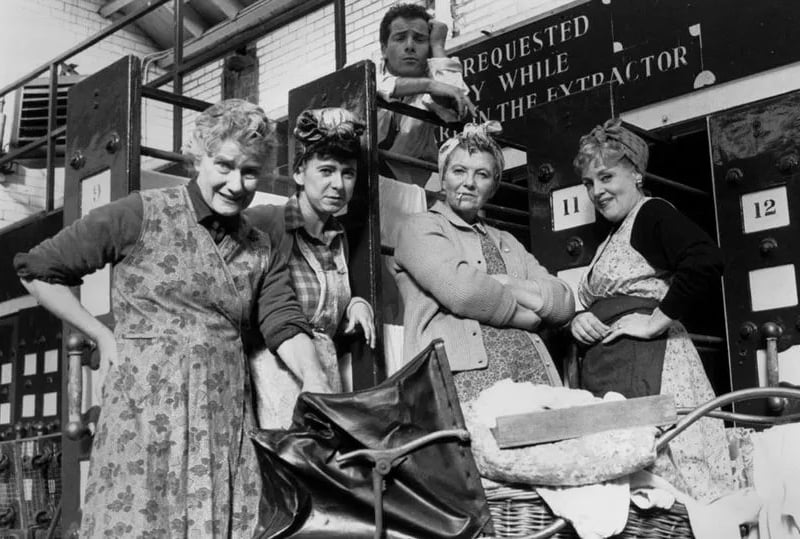
44. The Steamie
The 1987 play by Tony Roper set in the Carnegie Street steamie somewhere in Glasgow on a Hogmanay evening in the early 1950s. STV adapted the play for television in 1988. | STV