

1945 marked the end of the Second World War. It was the swan song of Glasgow’s industrial heritage, as from then heavy industry on the River Clyde would see a gradual and steady decline until the final nail hit the coffin 40 years later when Thatcher came to power.
Glasgow was crucial in the war effort, between shipbuilding and munitions manufacturing, Glaswegians were at the heart of the home front here in Britain.
While 1945 was the final year of the war, the city would face near insurmountable challenges in postwar recovery. Many young men died, and those that returned would be forever changed from their time on the front line.
Hundreds of bombs and tens of thousands of incendiary devices were dropped over Glasgow during the Second World War, and with a 10% failure rate, many of these bombs still lie inactive below Glasgow, waiting to be dug up to this day .
During World War 2, there were more than 500 German air raids on Scotland, dropping thousands of tonnes of incendiary and explosive bombs, many of which remain unexploded and inactive across the country.
The damage to both the city and the people was undeniable - and it would be a long road to recovery for Glasgow.
Other major events that transpired in Glasgow in 1945 include:
- The publication of the Bruce Report was put forward - which proposed massive sweeping changes across the city, particularly the city centre and in slum housing. This would see the first mention of the M8 ring road concept. Though it would not come to fruition (at least partially) until the 1960s.
- The Citizens Theatre opened
Take a look below at 8 photos from Glasgow in 1945.
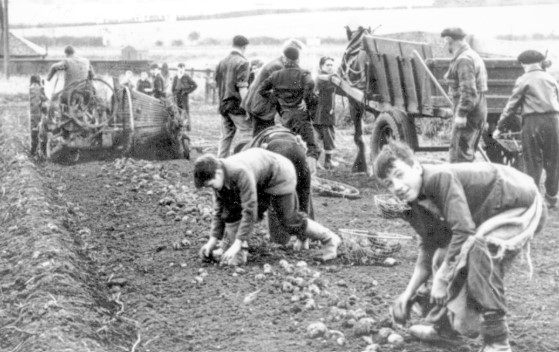
1. Tatties
Harvesting potatoes at Findlay's Nurseries, Springhill in 1945 | Virtual Mitchell
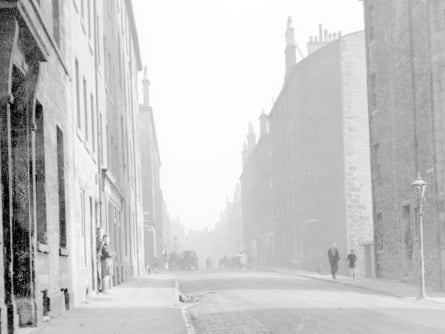
2. Rottenrow (1945)
Virtual Mitchell
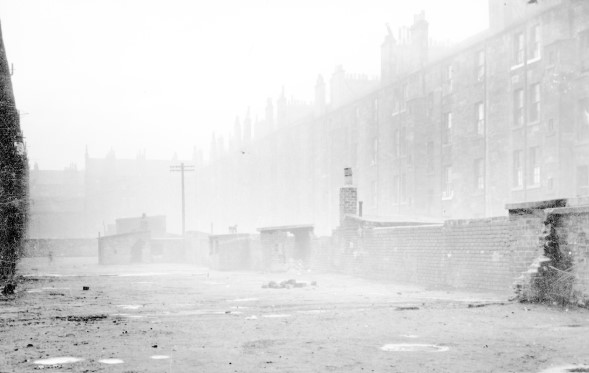
3. Neptune Street (1945)
A back court on Neptune Street in 1945 | Virtual Mitchell
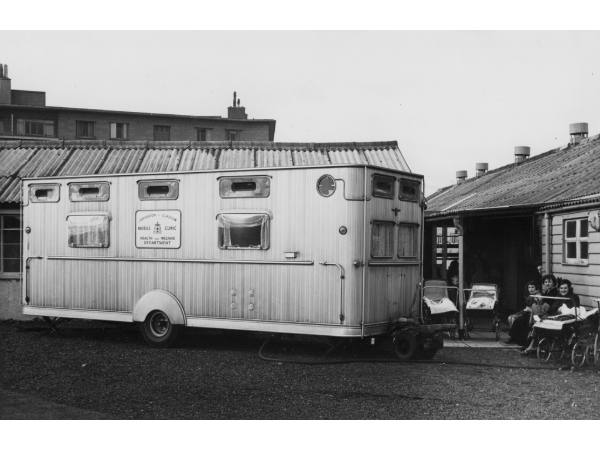
4. Glasgow Corporation (1945)
A Glasgow Corporation Mobile Clinic in 1945 | Virtual Mitchell