

Glasgow is an ancient city - this year we celebrate our 850th anniversary, and over nearly 1,000 years, it’s easy to forget where we’re coming from.
Today we wanted to look back at the history of 8 different place names here in Glasgow, looking at some of the older districts in Glasgow and trying to find out why they’re called what they are. There are some things we can only guess, but there are other neighbourhood names that we have a definitive answer for,
Some place names in Glasgow are named after the old lairds of the land, while others date back to Gaelic and Scots - with some of the most ancient areas having pagan roots in their origins.
Take a look below as we delve deep into the origins of 8 names of districts around Glasgow.
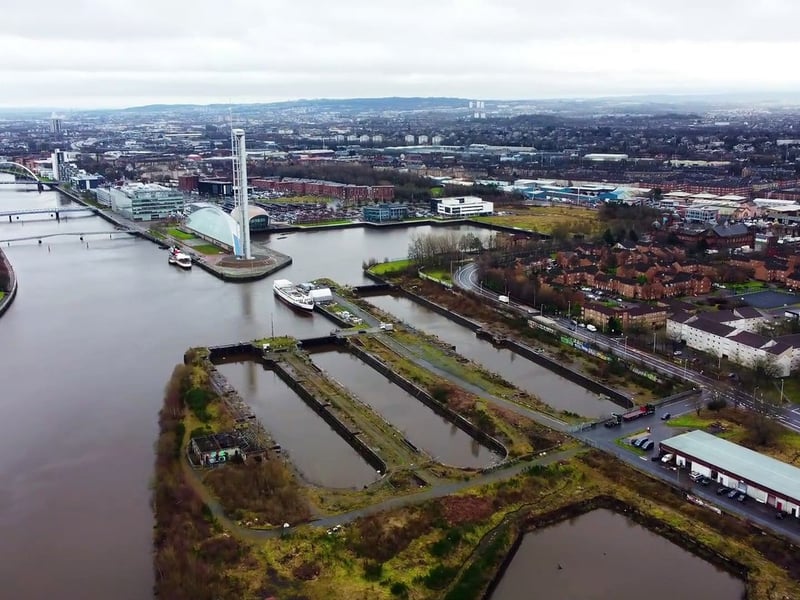
1. Govan
Govan is as ancient as Glasgow itself, only becoming a part of the city in 1912. It's believed that the name Govan comes from the Gaelic for ‘township of the blacksmith’. | The Scotsman
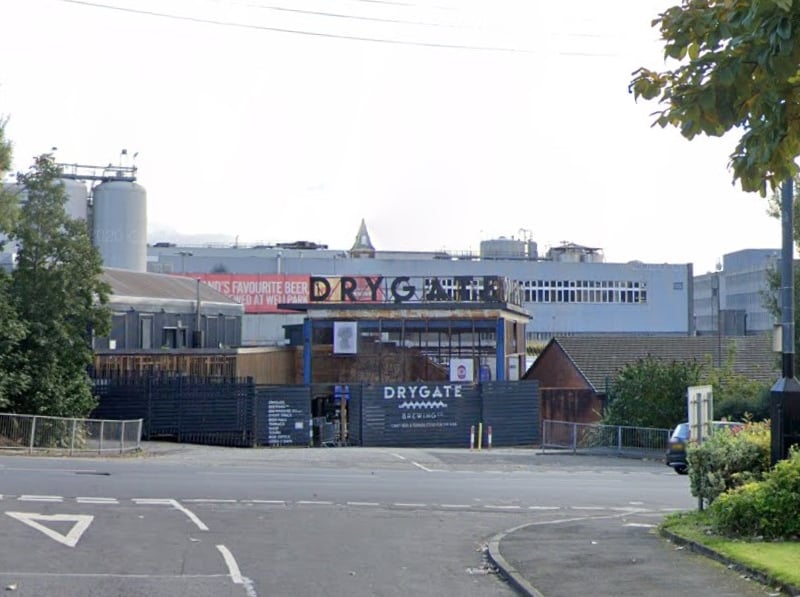
2. Drygate
Drygate is undoubtedly one of the oldest thoroughfare in the city. In Jamieson's history of the Culdees it is stated that the Pagans brought the word dry from Germany, as being the name by which every German priest was called. In ancient times, anterior to our ecclesiastical history, a Druidical place of worship stood on the site of the present Necropolis, the only approach to which must have been the Drygate, hence it was designated the priests' road. | Google Maps
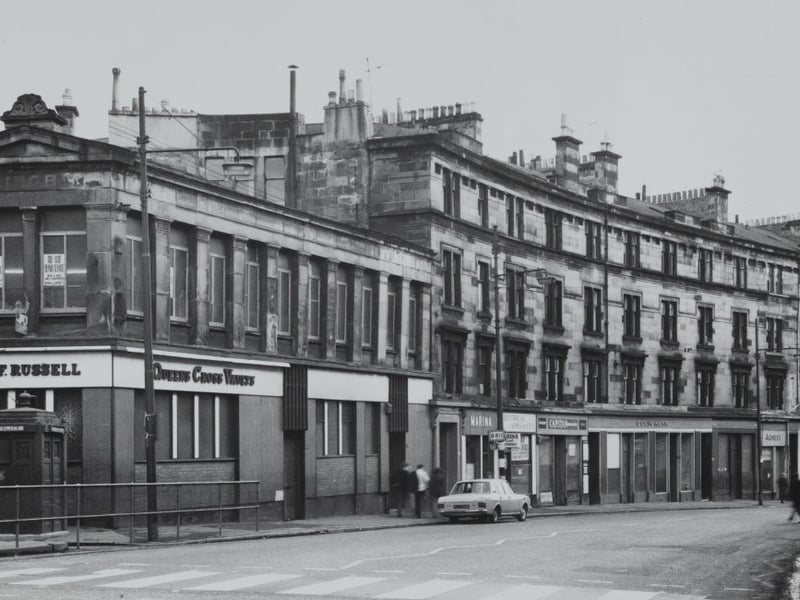
3. Maryhill
The area in the north west of the city is named after Mary Hill - the daughter of Hew Hill who was the Laird of Gairbraid and had no male son to leave his estate to. | © RCAHMS
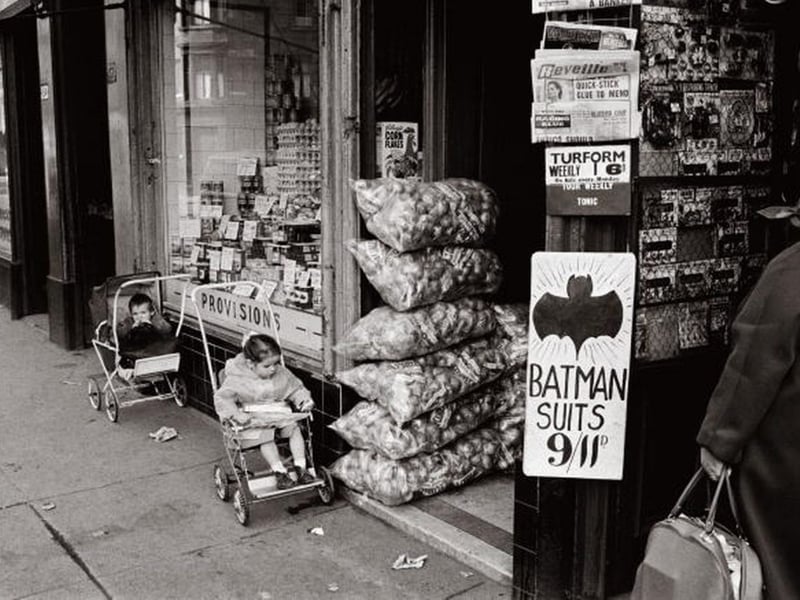
4. Gorbals
There are mixed views as to where the name of the Gorbals comes from with some believing it derives from the Latin word ‘garbale’ which means sheaf whereas others think it’s from the lowland Scots word gorbal or garbal which means ‘unfledged bird’ which would refer to leapers who would have lived in the areas hospital from 1350 onwards. | Jürgen Schadeberg