
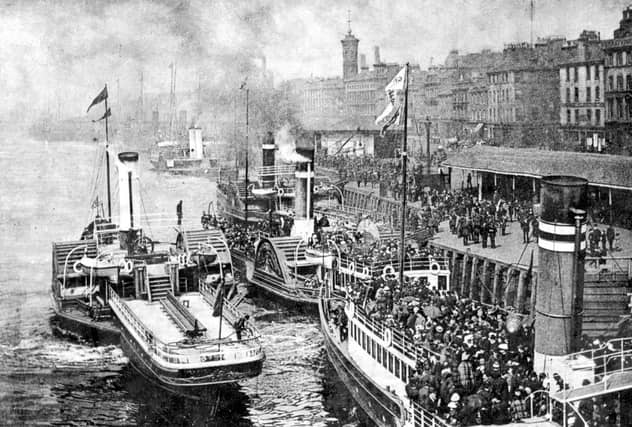


At the heart of this great annual migration were the paddle steamers, the elegant vessels whose beating paddles and towering funnels became symbols of leisure, engineering pride, and the golden age of Clyde tourism.
From the early nineteenth century onwards, the Clyde developed into one of the busiest and most famous waterways in the UK. Paddle steamers connected communities, carried workers and holidaymakers alike, and helped transform seaside towns such as Rothesay, Dunoon, Largs, and Millport into thriving resorts.
The excursion steamers were floating social clubs where families picnicked on deck, brass bands played, and passengers marvelled at the beauty of Scotland’s western coastline.
The story of the Clyde steamers is also the story of Scottish shipbuilding and innovation. Built in the great yards lining the river, these vessels showcased the skill and craftsmanship that made the Clyde synonymous with maritime excellence.
Though all but a few of the famous steamers have long since disappeared, their memory survives in photographs, songs, postcards, and the enduring affection of those who still remember the excitement of heading “doon the watter” on a bright summer morning.
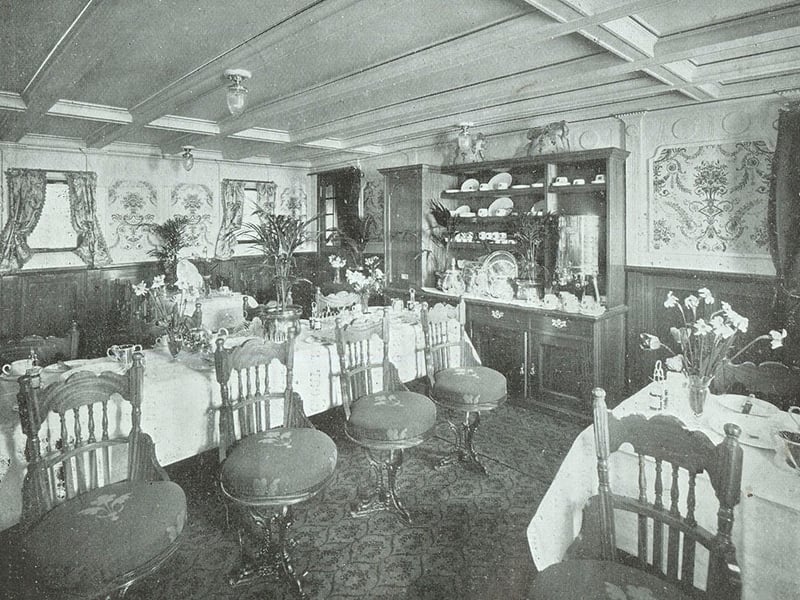
5. Inside the RMS Viper (Circa.1906)
Here's a glimpse inside the first class tearoom of the RMS Viper. The steamer sailed the Ardrossan-Belfast route between 1906 and 1914. | Contributed
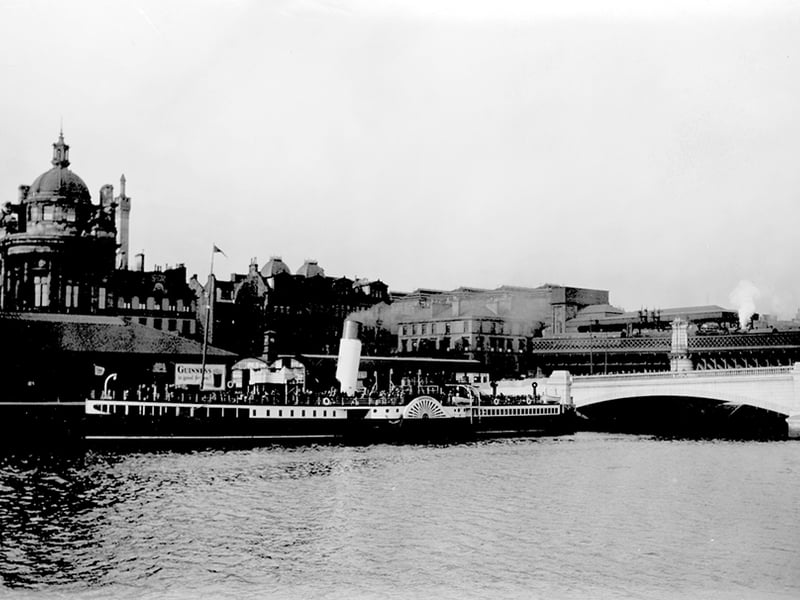
6. Eagle III (1928)
The Eagle III travels past the King George V bridge down the Broomielaw. | Glasgow City Archive
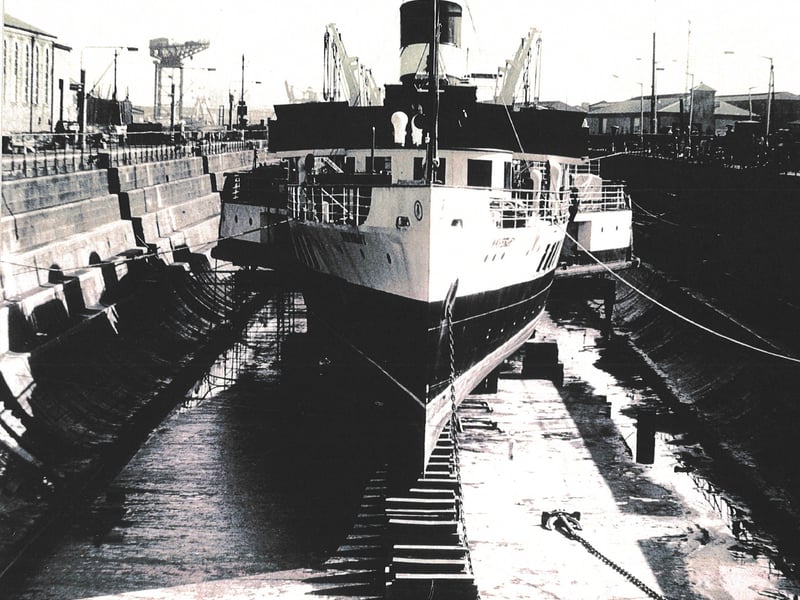
7. PS Waverly (Circa. 1946)
An amazing picture of the PS Waverley, It made its maiden voyage, 1946. It was the largest sea-going passenger-carrying steamer in world. The Waverley is listed by the National Historic ships UK, as of chief national importance. | Contributed
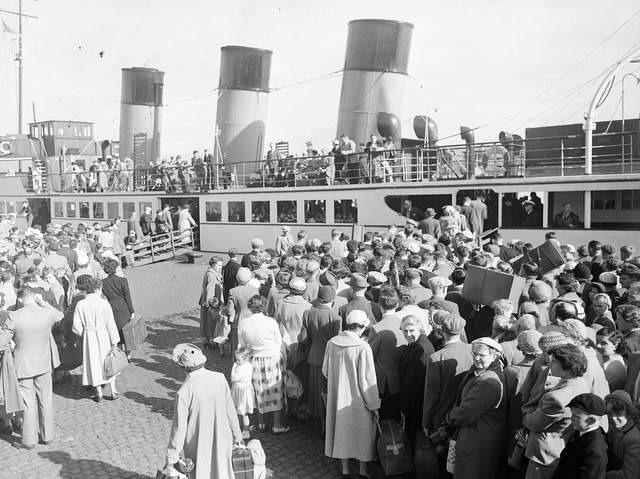
8. Glasgow Fair Fortnight
Glasgow Fair Holiday at Gourock, Clyde Steamer in 1955. Photo: TSPL