
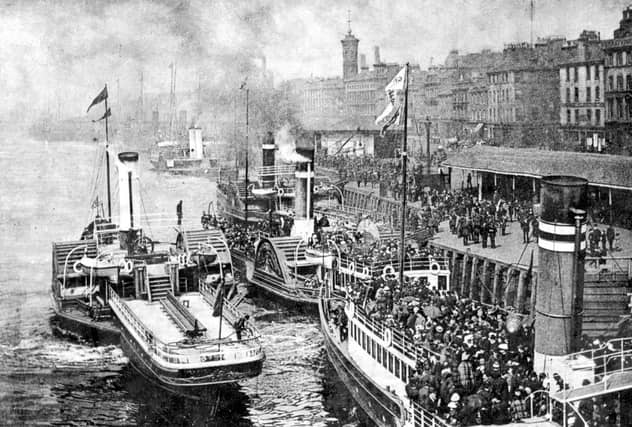


At the heart of this great annual migration were the paddle steamers, the elegant vessels whose beating paddles and towering funnels became symbols of leisure, engineering pride, and the golden age of Clyde tourism.
From the early nineteenth century onwards, the Clyde developed into one of the busiest and most famous waterways in the UK. Paddle steamers connected communities, carried workers and holidaymakers alike, and helped transform seaside towns such as Rothesay, Dunoon, Largs, and Millport into thriving resorts.
The excursion steamers were floating social clubs where families picnicked on deck, brass bands played, and passengers marvelled at the beauty of Scotland’s western coastline.
The story of the Clyde steamers is also the story of Scottish shipbuilding and innovation. Built in the great yards lining the river, these vessels showcased the skill and craftsmanship that made the Clyde synonymous with maritime excellence.
Though all but a few of the famous steamers have long since disappeared, their memory survives in photographs, songs, postcards, and the enduring affection of those who still remember the excitement of heading “doon the watter” on a bright summer morning.
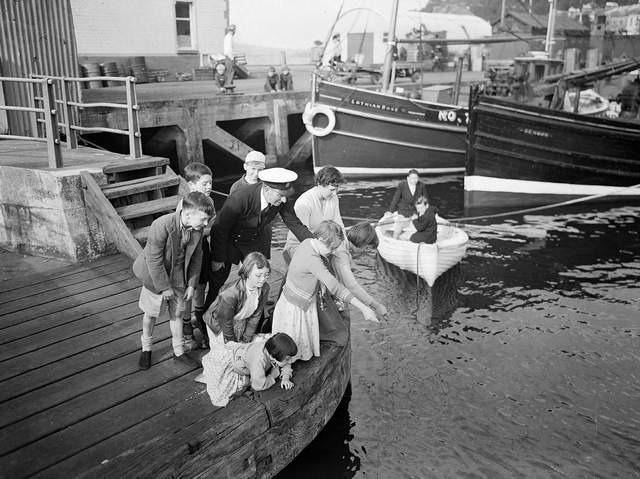
9. Glasgow Fair Fortnight
Children fishing on the docks during the Glasgow Fair Holidays in 1956. Photo: TSPL
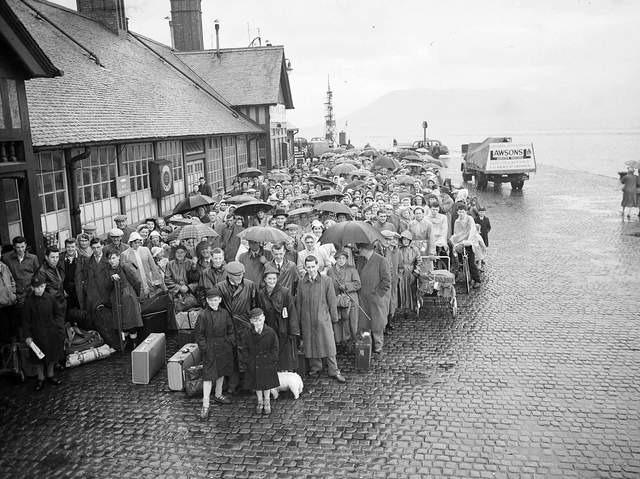
10. Glasgow Fair Fortnight
Queuing in the rain for the ferry at Gourock during the Glasgow Fair holiday in 1956. Photo: TSPL
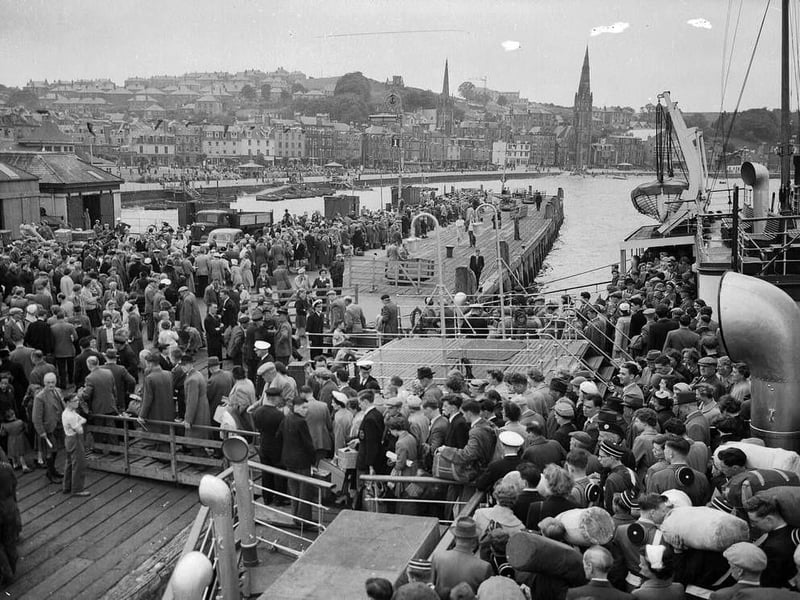
11. Glasgow Fair Fortnight
Crowds of holidaymakers coming ashore at Rothesay pier on July 17 1956 for the Glasgow Fair holiday. Photo: TSPL
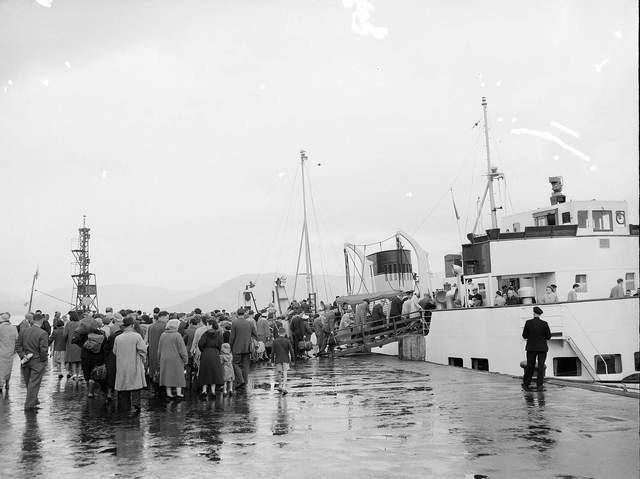
12. Glasgow Fair Fortnight
Holiday makers board the steamer at Gourock for Dunoon in the rain during the Glasgow Fair holiday in 1959. Photo: TSPL