

Glasgow’s place names are rooted in the Cumbric and Gaelic history of what would become the city. The names tell the story of what was happening in that particular place at the time it became established - for example, the story of how Polmadie got its name might surprise you.
These stories are interesting and insightful, with some important historical milestones playing a big role in them.
Read on for 8 Glasgow places and how they got their names.
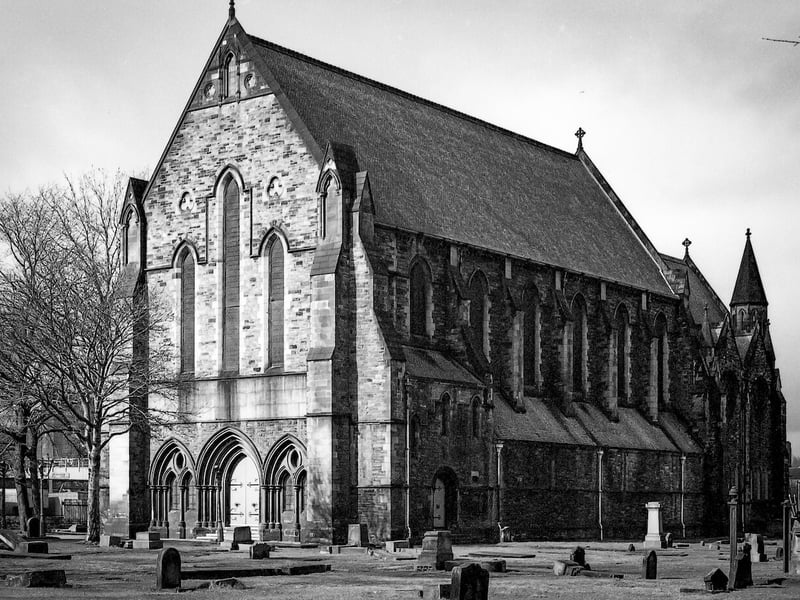
1. Govan Old Parish Church
Early references to Govan hint at a connection to the Christian church. Its Gaelic name however, translates to “smith’s homestead”. Another theory behind its name is that it refers to “small hill” - with Doomster Hill being nearby. | Photo © Peter Degnan, all rights reserved.
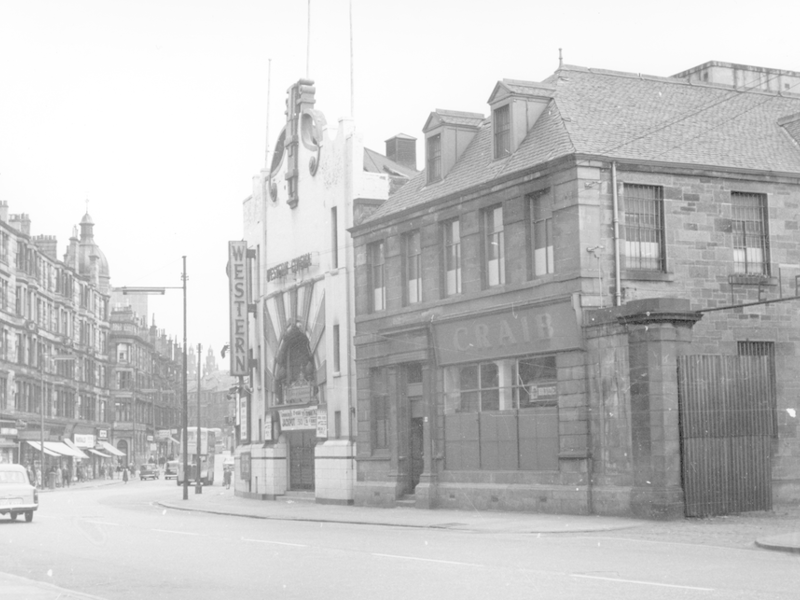
2. Partick in 1969
Early references to Govan hint at a connection to the Christian church. Its Gaelic name however, translates to “smith’s homestead”. Another theory behind its name is that it refers to “small hill” - with Doomster Hill being nearby. | Virtual Mitchell
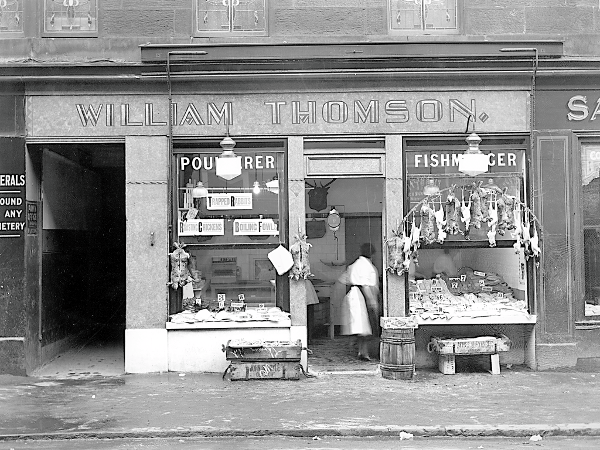
3. Bardowie Street, Possil - 1933
"Possil" is another name that is potentially derived from Cumric - which was spoken in the area until the 11th century. It is thought it translates to "peaceful place" or "place of rest". “Possele” was granted to the Bishop of Glasgow in 1242. | Virtual Mitchell
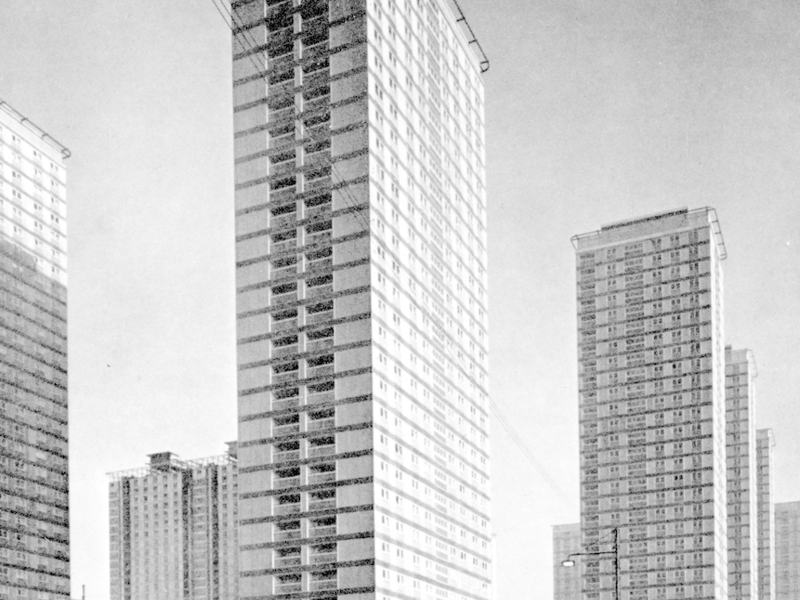
4. Red Road flats, Balornock
The name Balornock may well reference a church or residence of a man named Louernoc. It is referred to as Buthlornoc in a 12th century record. | Virtual Mitchell