
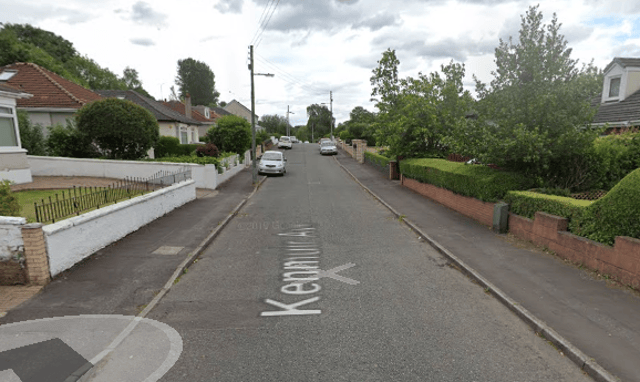


In the sixth part of our series examining the meaing behind some of Glasgow’s historic place names and streets and the Gaelic language, we explore the meaning behind streets which have been made famous in song by Aztec Camera, a name which was connected to the city’s oldest malt whisky distillery and Glasgow’s earliest recorded family.
Many will question how Gaelic Glasgow actually is, but the ancient language has been spoken in the city for a millenium with it being a vitally important part of Glasgow’s make up and history which is best shown through place names.
The following is taken from the forthcoming book ‘Glasgow’s Gaelic Place-Names’ by Dr Alasdair C. Whyte, with Professor Katherine Forsyth and Dr Simon Taylor, set to be published by Birlinn Origin in September/October 2023.
Dr Alasdair C. Whyte is a writer/singer/performer from Muile~Mull. He currently holds a Research Fellowship in Name Studies at the University of Glasgow. He was named Scottish Government Gaelic Ambassador of the Year at the National Mòd in Glasgow in 2019 and was recently named on The Saltire Society’s inaugural ‘40 Under 40’ list.
His first book, Maim-slè, a book of new writing in Gaelic and English about language shift, sustainability and identity, was published in 2021 and shortlisted for the Donald Meek Award for Best Non-Fiction Book at the 2022 Gaelic Literature Awards.
From Kenmuir to Polmadie here are the next 10 place names in and around Glasgow in our series.
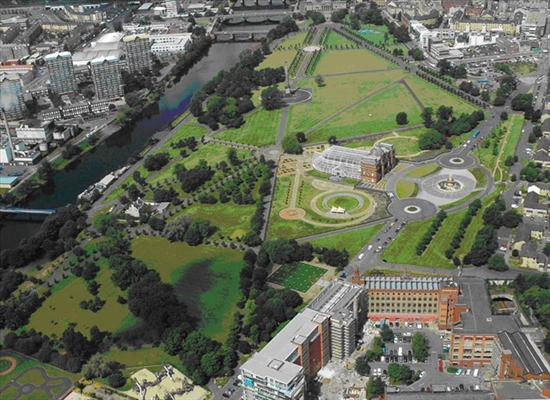
5. Kinclaith
A lost name for a settlement in the area of what is now Glasgow Green. Recorded as Cunclut in the early 12th century. Probably a Northern Brittonic name meaning ‘confluence of the Clyde’ but reinterpreted by Gaelic-speakers in the medieval period as Ceann Chluaidh ‘head of the Clyde’. This place was home to Glasgow’s earliest recorded family. Only the father is named in the this document dated 1180, a man called Gillemachoi whose name is from Gaelic GilleMoChotha meaning ‘servant of Saint Mungo’. | Fields in Trust
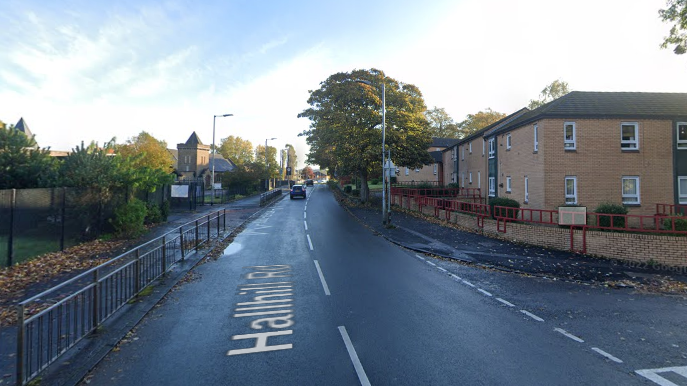
6. Knockings.
An old settlement near Barlanark in the east of the city. Recorded as Knockins in 1755. From the Gaelic word cnocan meaning ‘a wee round hill’. | Google Maps
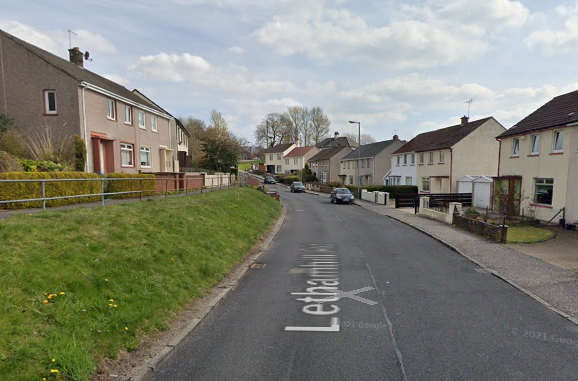
7. Letham (in Lethamhill in north-east Glasgow)
Probably from the Gaelic word leathan meaning ‘a broad slope’. The original name likely referred to part of what is now Lethamhill Golf Course which takes its name from the old settlement. Lethamhill is found in several street-names in this part of the city. The Gaelic word leathan is very common in Scottish place-names. | Google Maps
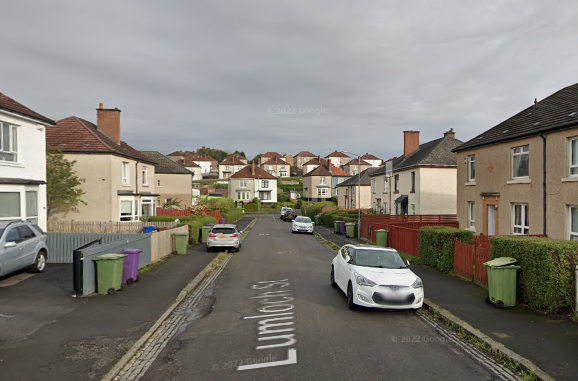
8. Lumloch
A Gaelic name referring to a now-drained freshwater loch. The original name contains the Gaelic words lom ‘bare’ or ‘smooth’ and loch ‘a loch’. Recorded as Lumloch in 1521. Two farms on the north-east outskirts of the city took their name from this old settlement: Wester Lumloch and Easter Lumloch. The old settlement also gave its name to a number of street-names in this area, such as Lumloch Drive. The Gaelic word lom may have referred to the lack of vegetation around the old loch. | Google Maps