
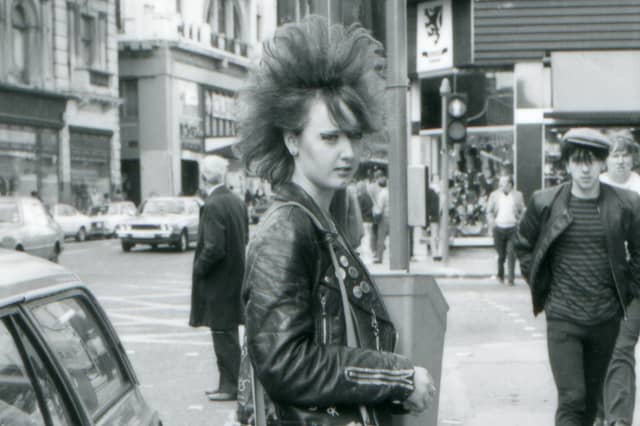

Inspired by the explosive rise of punk bands in London and New York, Glasgow’s youth embraced the movement as both a musical revolution and a form of social rebellion. Unlike the polished image of commercial rock acts of the time, punk in Glasgow was loud, aggressive, and deeply connected to working-class identity.
The city itself provided fertile ground for the scene. Glasgow in the 1970s faced rising unemployment, urban decay, and growing social inequality. For many young people, punk became an outlet for anger and disillusionment. Local venues such as the Apollo Theatre and small underground clubs began hosting emerging bands that rejected traditional musical standards in favour of speed, attitude, and authenticity. Punk’s “do-it-yourself” ethic also encouraged young Glaswegians to form bands without formal training, creating a vibrant and highly accessible music culture.
Across Scotland, industrial decline and unemployment were reshaping urban life, but in Glasgow the effects were especially visible. Entire communities faced uncertainty as heavy industry collapsed, and many young people felt alienated from mainstream politics and culture. Punk arrived as both a soundtrack and an attitude for that generation - raw, aggressive, anti-establishment, and defiantly working class.
Although London is often portrayed as the centre of British punk, Glasgow rapidly developed its own identity within the movement. Influenced by bands such as the Sex Pistols, The Clash, and the Ramones, Scottish musicians and fans embraced punk’s stripped-down sound. Early Glasgow punk audiences discovered the music through radio DJs, imported records, and fanzines before local bands began forming across the city.
The Burns Howff became a key meeting point for underground musicians. Originally a blues and rock venue, it evolved into an important gathering place for emerging punk acts and hosted performances by Johnny and the Self Abusers, the short-lived punk group that would later transform into Simple Minds.
Another influential venue was The Mars Bar, which became synonymous with Glasgow’s earliest punk nights and attracted audiences interested in alternative music, art, and fashion. The atmosphere at these clubs was intimate and chaotic, with musicians and audiences often sharing the same social circles.
Dr Lynda Robertson was active in the Glasgow punk scene from 1980-1983 and took photographs that give an insight into the social history of the period.
Take a look back at these pictures that capture the spirit of punk in Glasgow.
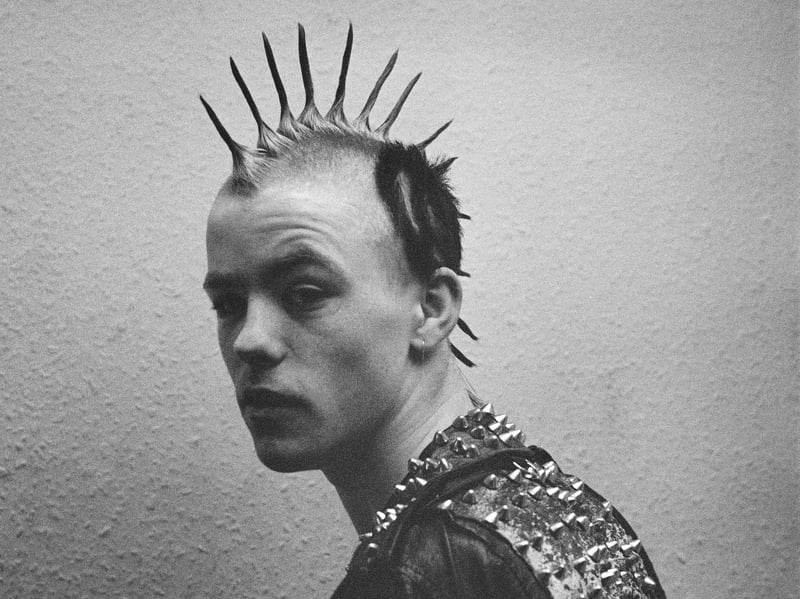
13. Mohawk @ Tiffany's
A gig goer at Tiffany's in Glasgow | Dr. Lynda Robertson
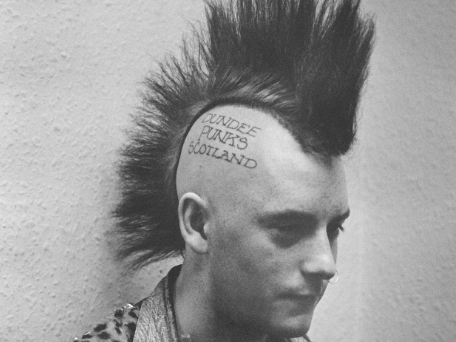
14. Dundee Punks Scotland
One of the more popular pictures taken by Lynda Robertson in Glasgow during the 80s, this picture is on permanent exhibition in The McManus: Dundee's Art Gallery & Museum. | Dr. Lynda Robertson