
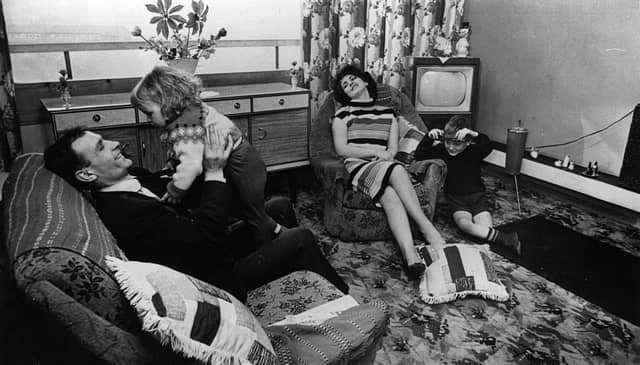


If you grow up in a Glasgow high flat - you'll know know just how much of a unique experience that was - today we wanted to catalogue the social history of tower living here in Glasgow.
The 60s were a transient time for Glasgow - as the city entered the dog days of its long-standing industrial heritage, accomodation saw a major upheaval as the Glasgow Corporation (now city council) sought to replace run-down tenements with more modern high-rise towers - a move that changed the face of the city.
60 years ago, housing in places like the Gorbals were classified as one of the worst slums in Europe. Overcrowding was standard in the tenements with many of the homes not having access to toilets or running water.
Tenements in the industrial areas of Glasgow were built quickly and cheaply in the 1840s - to provide housing for the booming population of lower-class heavy industry workers. The tenements housed about 40,000 people with up to eight family members sharing a single room, 30 residents sharing a toilet and 40 sharing a tap.
Take a look below as we explore the social history of the early days of living in Glasgow tower blocks in 20 pictures.
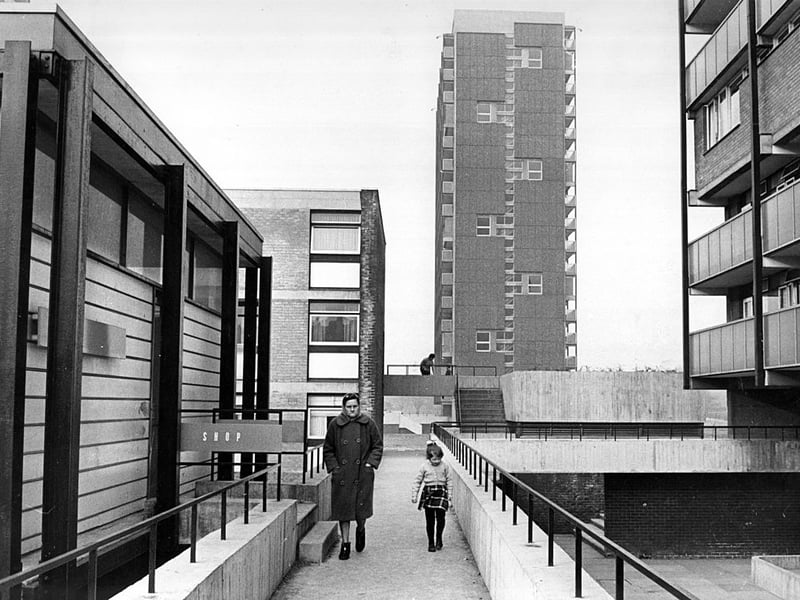
9. Modernised living
As new and exciting as it could be, moving from the street you grew up on to a new concept of living was daunting as a child. | Getty Images
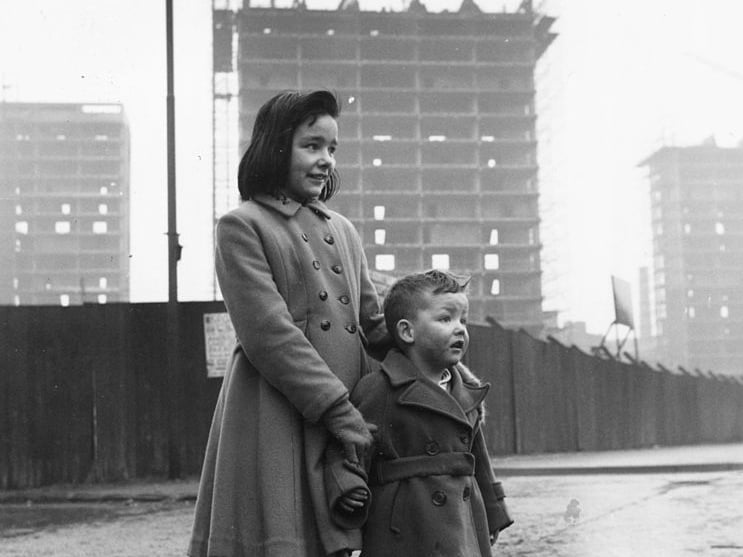
10. A wet day in the Gorbals
The slum clearances of the mid 20th century were a time of massive upheaval for the city of Glasgow - and this could be felt on the family level. The redistribution of corporation (council) housing provision meant it was very easy to become separated from friends and family you had grown up with on the same street. | Getty Images
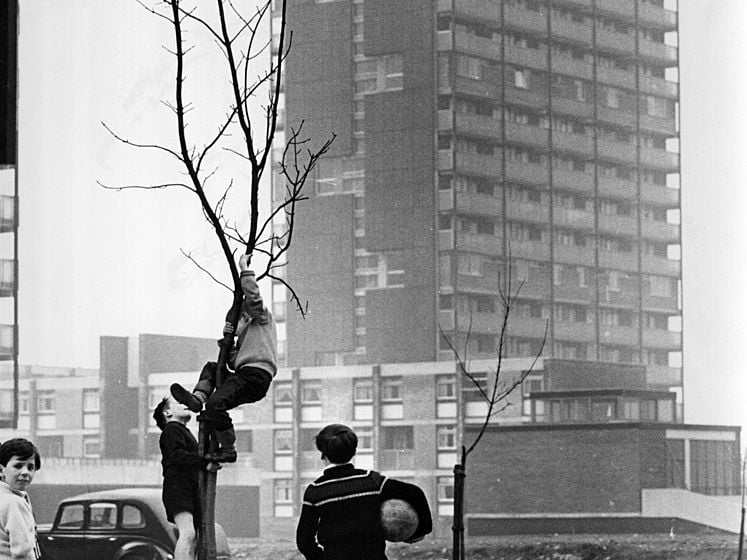
11. Climbing trees
Some things never change - the new towers would be around ten times the size of a tenement building - but these new-found heights never put the lads off climbing teeny wee trees. | Getty Images
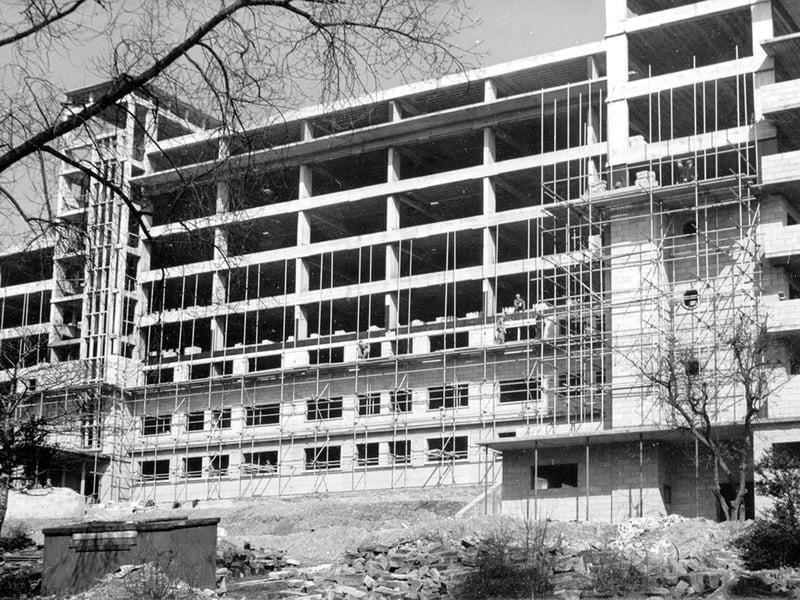
12. Crathie Court
The construction of Crathie Court, Thornwood in 1951. Built by Glasgow Corporation, the eight-storey building was designed as accommodation for single women, and won the Saltire Award for best-designed flats in 1952. | Contributed