

In the late 1700s, what is now the West End was a largely rural area, dotted with fields, farmhouses, and small estates. As Glasgow’s merchant and professional classes sought to escape the crowded conditions of the city centre, developers began to transform the area into a desirable residential district. The creation of Byres Road as a formal thoroughfare was part of this wider movement, providing a central artery that connected emerging neighbourhoods with key landmarks.
By the mid-to-late 19th century, Byres Road had become the commercial and social spine of the West End. Its proximity to the University of Glasgow, which relocated from the High Street to Gilmorehill in 1870, brought new life and a steady flow of students and academics. Shops, cafés, and meeting places quickly appeared to serve this growing community.
The introduction of Glasgow’s subway system in 1896 further boosted Byres Road’s status. Hillhead and Kelvinhall stations made it easily accessible. The Botanic Gardens, emergence of Ashton Lane as a hospitality hub, the Grosvenor Cinema, University Cafe and various independent shops and restaurants cemented its place in the modern city.
The oldest pub on Byres Road is Curlers Rest, housed in a 18th century cottage building, but with a history that stretches back to the 17th century as a tavern that was said to have been visited by King Charles II. It originally sat beside a pond that was used for curling in the winter.
Take a look back at eras of Byres Road through the generations in these 13 photographs.
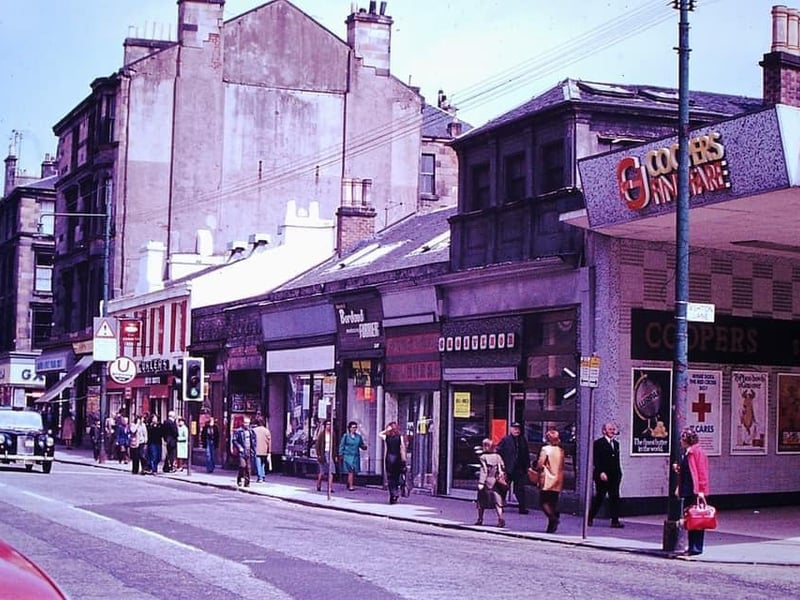
1. Byres Road (1977)
Just another day on Byres Road in 1977. | Chris Doak
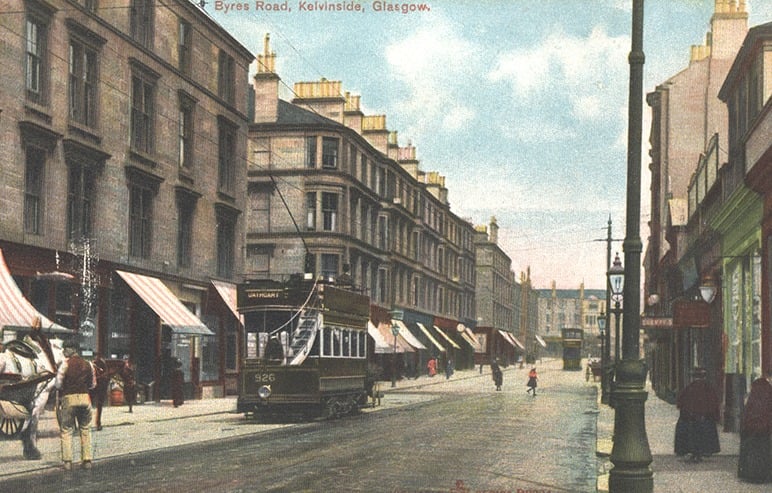
2. Byres Road 1910
A postcard of Byres Road from 1910 | Glasgow City Archives
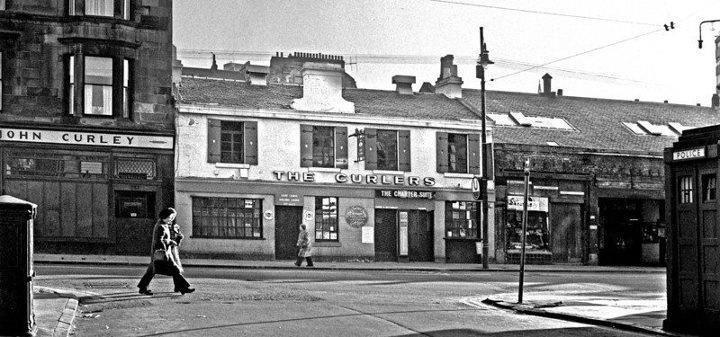
3. Curlerls Rest
Curlers Rest pictured here in 1976. There was a pond behind the tavern and every winter there were games of curling on the ice. The pub was the meeting place for the Partick Curling Club, established in 1842. | Supplied
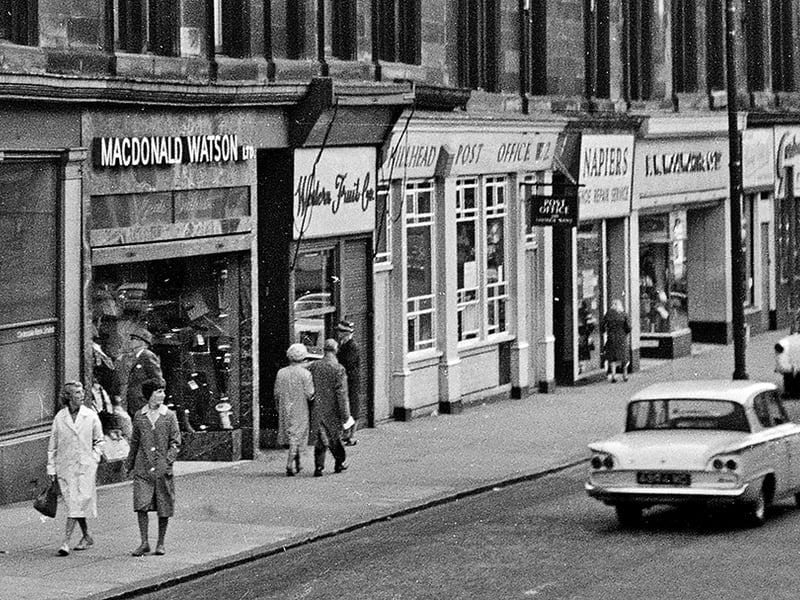
4. Hillhead Post Office
Woolworths and Hillhead Post office pictured on Byres Road. | Barclay Price