
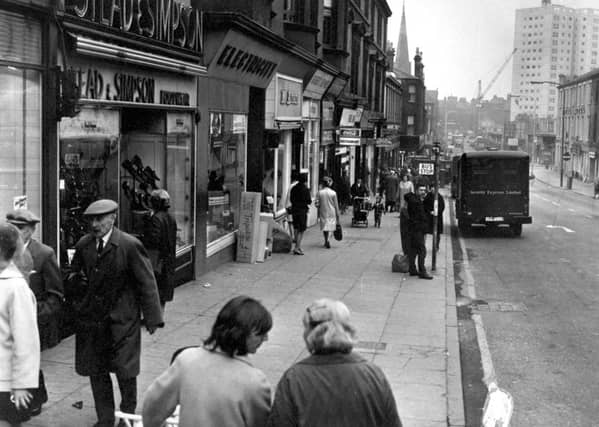


Motherwell - a name that’s known far beyond the realms of North Lanarkshire and Scotland.
A Scottish Premiership football team, an industrial heritage as strong as the steel they forged, and some of the best patter you’ll find outside of Glasgow - what more could you ask for from a North Lanarkshire town?
There’s a certain pride that comes with growing up in Motherwell - one that is far removed from the identity politics of Celtic/Rangers and the postcode wars of the 2000’s - people are proud to come from Motherwell.
We gathered these pictures of old Motherwell to look back at life in the North Lanarkshire town from the 1900’s right through to the 1980’s.
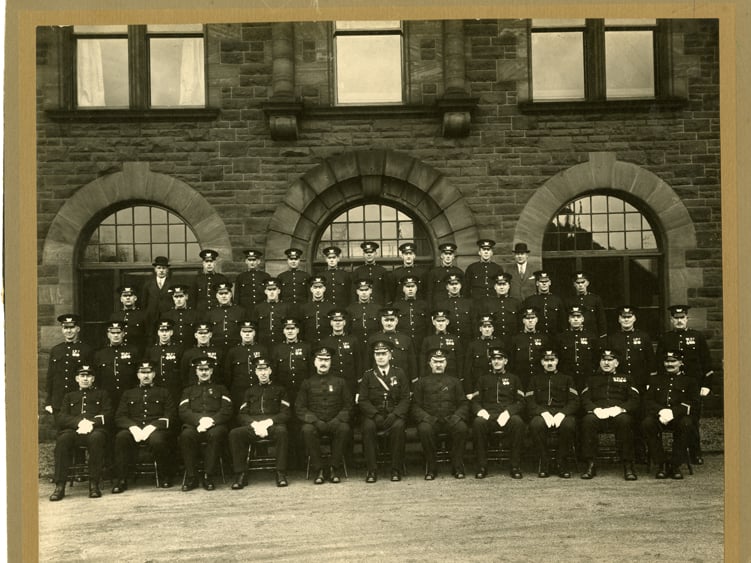
17. Motherwell Police (1930)
Pictured at the old Police Station on High Road are the Motherwell Police Force. The gentlemen pictured above in their Sunday best were commemorating Motherwell Police moving from the wider Lanarkshire Constabulary and establishing their own force, the Motherwell & Wishaw Burgh Police which was officially established in 1930. They would later be modernised into Strathclyde Police, and then into the national Police Scotland network that we know today. | CultureNL
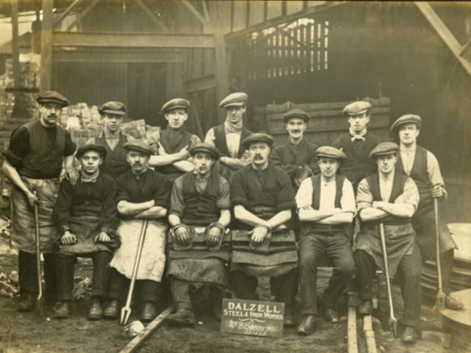
18. Dalzell Steel & Iron Works (1920)
Group portrait of the workers on No 8 Shears at Dalzell Steel & Iron Works. David Crabb, who later became Motherwell Bathsmaster, is pictured second from left on the back row, aged just 17. | CultureNL
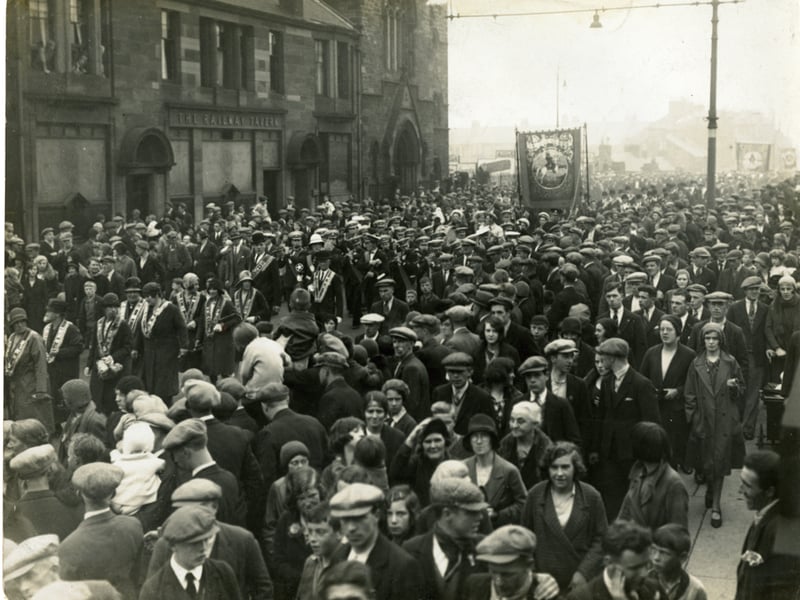
19. Orange Walk (Circa.1920~)
A large crowd gathers outside the Railway Tavern in Motherwell during an Orange Walk. The Railway Tavern is still operating on the same spot on Merry Street under the same name today! A march of this size would imply the date to be around July 12. The Orange Order continue to have a large presence in Motherwell - with several Orange Halls around the town. The Orange Order even planned to renovate a building on Milton Street for their headquarters, but opted to sell the building this year instead. | CultureNL
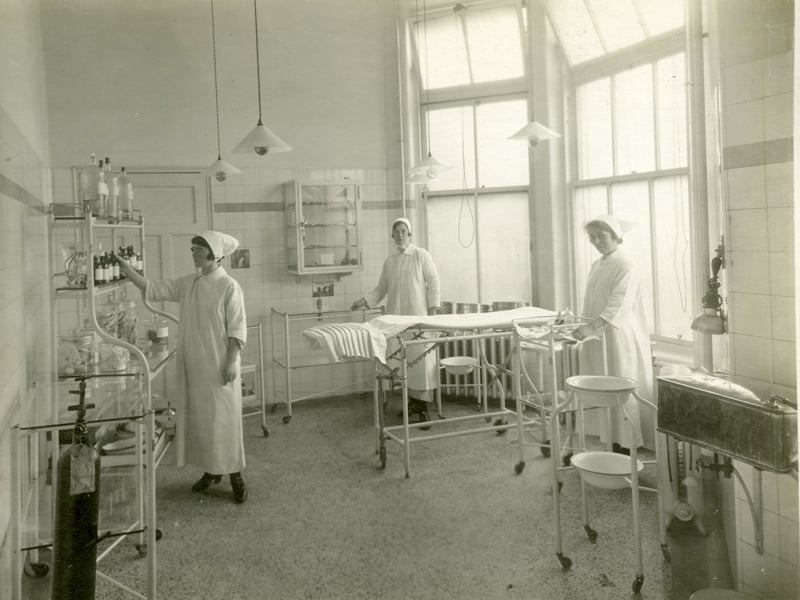
20. County Fever Hospital (Circa.1920’s~)
County Fever Hospital (now known as Cleland Hospital) - a rare look into hospitals before the NHS was formed after WW2. Back when this picture was taken in the 1920’s, the Education Act of 1908 made the medical inspection of school children compulsory - while the health of adult male workers was addressed with the National Insurance Act of 1911; workers in trades who were earning less than £160 per annum were included in the scheme and for four pence a week they were allowed access to a doctor and treatment. Hospitals remain one of the biggest employers in Motherwell & Wishaw, with University Hospital Wishaw being the end-goal for many young men and women in the town. | CultureNL