
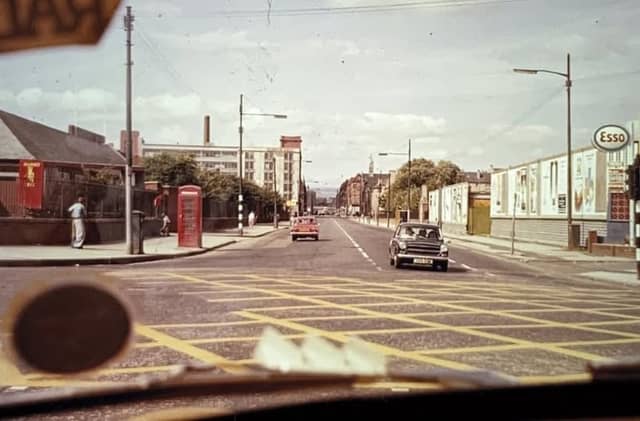


The first known record of Possil dates all the way back to the very beginnings of Glasgow - then King of Scotland, Alexander II of Scotland - granted lands to the Bishop of Glasgow in 1242. The land in the north was referred to as ‘Possele’.
Upon the grounds an estate was built - the lands and estate of Possil changed hands many times throughout the centuries between the affluent Scottish upper-class - be they merchants, artists, or otherwise.
The real birth of Possil came with the Saracen Foundry - the most prominent and historically important manufacturer of ornamental ironwork in Scotland from as far back as as 1850. The original foundry was based behind the Saracen Head Inn on the Gallowgate, but due to the popularity of their works a massive expansion was needed.
So Possilpark was born, owner of the Saracen Foundry Walter Macfarlane bought 100 acres of land from Colonel Alexander Campbell of Possil, then owner of the estate in the mid 1860s. Upon those acres he cleared the land and built the foundry in its place, renaming the grounds Possilpark.
At the time the work of Walter Macfarlane was described as such by Glasgow Town Council: "Their work is one of the finest and best conducted in Glasgow, and the new suburb of Possil Park, laid out by them with skill and intelligence, is rapidly becoming an important addition to the great city."
There the foundry sat as a monument to Glasgow’s industrial prowess for 100 years - until the advent of the second world war, when the export market collapsed, new technologies in the trade, and a wealth of new designs and materials led to the collapse of the Saracen Foundry’s grip on the ornamental ironwork industry.
The foundry was shut in 1967, and with heavy industry imploding in on itself all over Glasgow and Scotland, the good people of Possil quickly fell into poverty. The shadow of the foundry closure hangs heavy over Possilpark to this day. It instilled a deprivation in the community that has yet to be properly addressed.
Within 15 years of the closure, Possil had one of the biggest drug problems in Glasgow, the United Kingdom, and Europe. It was a heroin capital for much of the 80s, and much of the old tenements and original buildings were demolished due to poor conditions.
Despite the troubles the people of Possil have faced, they remain proud of their community and where they come from. As they should, they’ve produced some great Glaswegians over the years, included but not limited to: Peter Capaldi, Jim Watt, and Lena Martell. All of whom are a testement to the Possil community spirit.
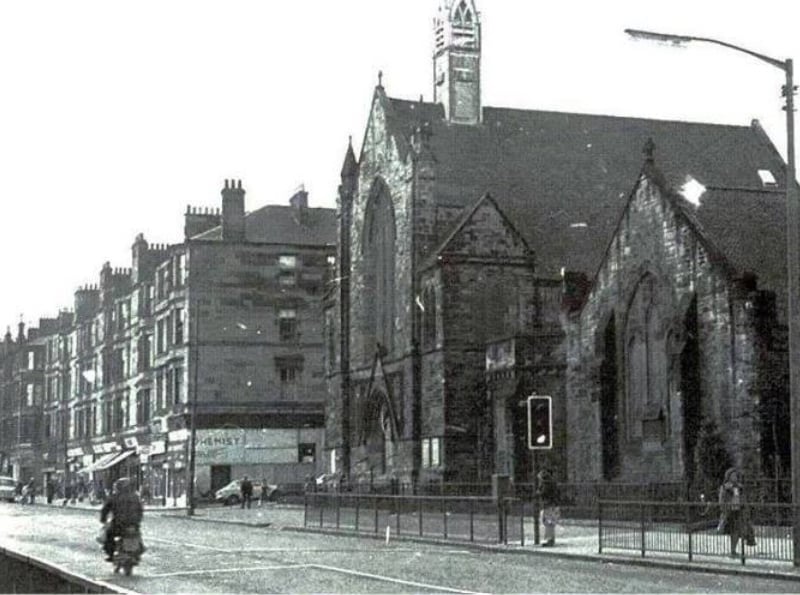
5. Saracen Street
A view along Saracen Street. | John Watson
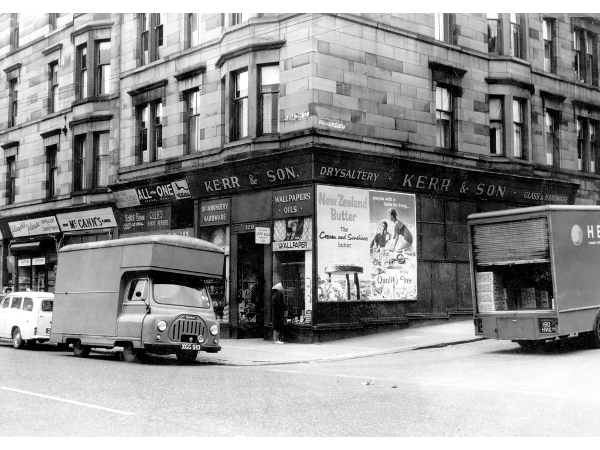
6. 128 Saracen Street
Kerr & Sons, an ironmongers at 128 Saracen Street on the corner of Stonyhurst Street around 1963. | Virtual Mitchell
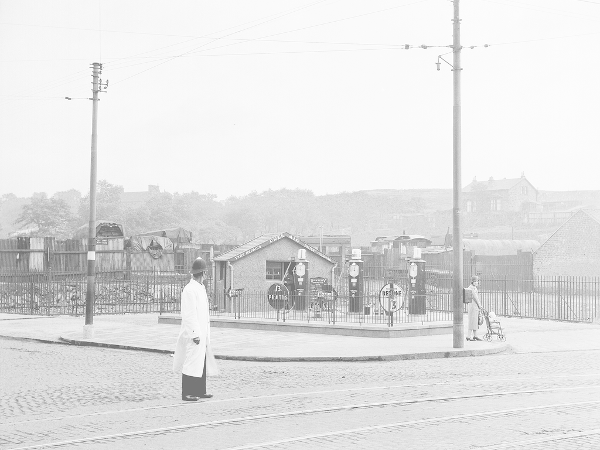
7. Saracen Street (1934)
An old filling (petrol) station on Saracen Street in August 1934. | Virtual Mitchell
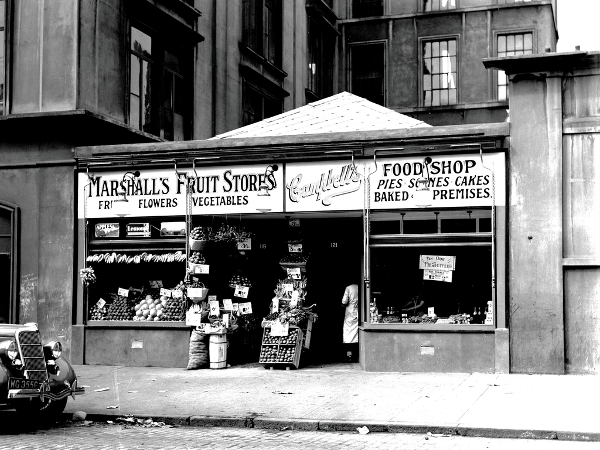
8. Saracen Street (1935)
A new grocers at 119-121 Saracen Street in August 1935. | Virtual Mitchell