
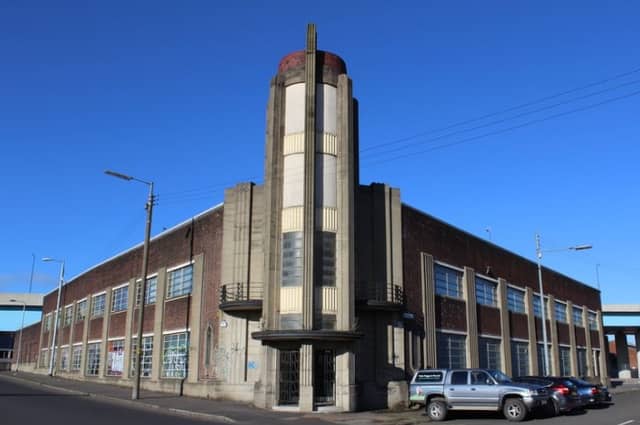


It wasn’t so long ago that Glasgow was a truly industrial city, with generations of factories, warehouses and worksites shaping its landscape. Many of these buildings still stand today, offering a visible reminder of the city’s past.
More recently, Glasgow entered a post-industrial era marked by rapid decline, during which countless factories were demolished. Thanks to listed building protections, however, many of the finest examples — such as the Templeton Carpet Factory — were saved for their architectural and historic significance.
These factories produced far more than the goods that left their doors. Within their walls, lifelong friendships were formed and romances began, as Glaswegians endured punishingly long hours before returning home to overcrowded tenement housing.
Industry in Glasgow was also far more varied than heavy engineering alone. Alongside engine-building were cotton textiles and related trades such as bleaching, dyeing, chemicals and textile engineering, all central to the city’s industrial identity.
Here are 12 old industrial factories and warehouses in Glasgow and what they are used for in 2026
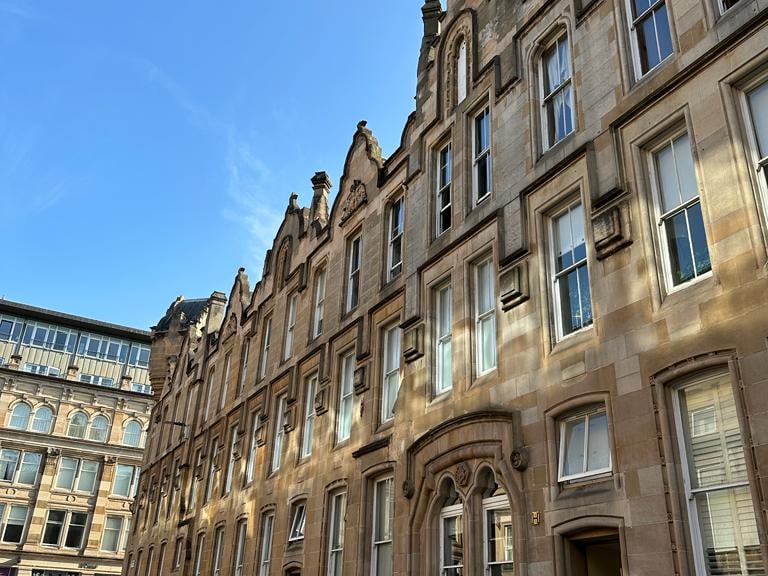
5. Brunswick Street
Described by Historic Environment Scotland as a ‘bizarrely detailed Gothic warehouse’, the 3-storey 10-bay blonde sandstone building on the corner of Brunswick Street and Ingram Street is now being used as flats. | Contributed
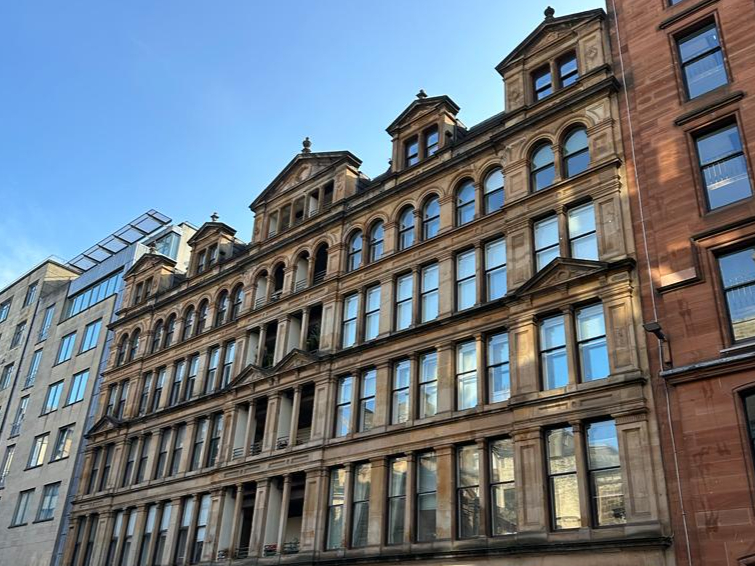
6. 18 Montrose Street
Built in 1878 as a leather merchants’ warehouse, the 5-storey warehouse building has now been converted to flats - the bottom floor was home to independent designer clothes shop 18montrose street, until it closed down towards the end of 2022. | Contributed
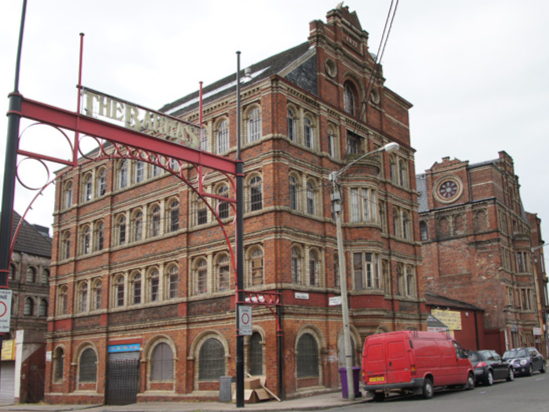
7. Clay Pipe Factory
Built 1876-79, and designed by architect Matthew Forsyth (1850-80). The former factory comprises of three ornate red and white brick buildings around the Barras, which were originally linked by an equally ornate two storey building filling the site between the three buildings. The three buildings sited in the Gallowgate at the east end of the Barras market area have Italian renaissance inspired design details and have some of the most intricate and ornate use of brick to be found within the city. Originally a clay pipe factory, the three buildings are currently a mix of commercial and residential usage. The buildings are category B listed. | Architecture Glasgow
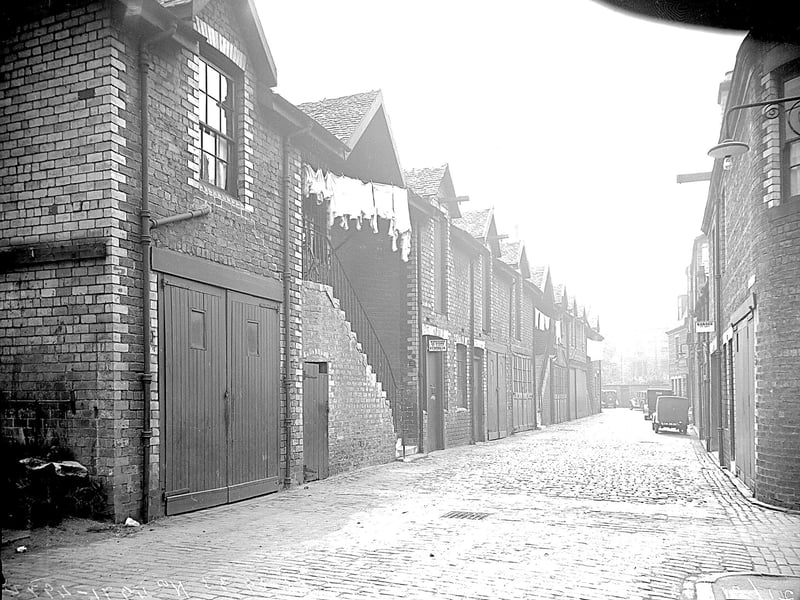
8. Ashton Lane
Back in the day Ashton Lane was little more than some old stables, workshops and sheds for a funeral undertaker. In 1976 the Ubiquitous Chip relocated from Ruthven Lane to the dingy West End alley, encouraging others to join them - before long there was a fairy light canopy and it became the buzzing heart of hospitality in the West End. | Glasgow City Archives