
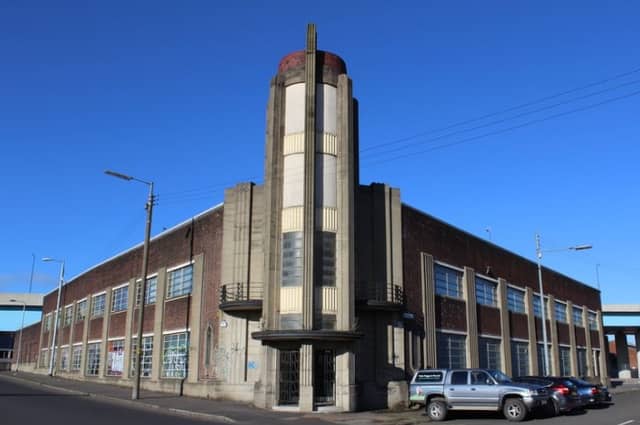


It wasn’t so long ago that Glasgow was a truly industrial city, with generations of factories, warehouses and worksites shaping its landscape. Many of these buildings still stand today, offering a visible reminder of the city’s past.
More recently, Glasgow entered a post-industrial era marked by rapid decline, during which countless factories were demolished. Thanks to listed building protections, however, many of the finest examples — such as the Templeton Carpet Factory — were saved for their architectural and historic significance.
These factories produced far more than the goods that left their doors. Within their walls, lifelong friendships were formed and romances began, as Glaswegians endured punishingly long hours before returning home to overcrowded tenement housing.
Industry in Glasgow was also far more varied than heavy engineering alone. Alongside engine-building were cotton textiles and related trades such as bleaching, dyeing, chemicals and textile engineering, all central to the city’s industrial identity.
Here are 12 old industrial factories and warehouses in Glasgow and what they are used for in 2026
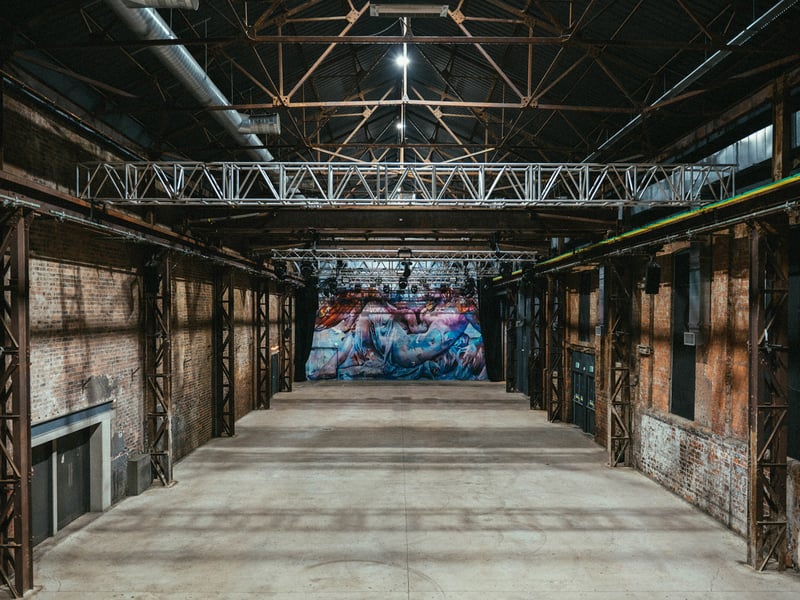
9. Galvanizers Yard / SWG3
Much of the SWG3 arts venue is retrofitted from old warehouses by the River Clyde - but this is no more apparent than in the Galvanizers Yard. Formerly a warehouse filled with the sound of pounding steel as it was prepared for the shipbuilding on the River Clyde. | Contributed
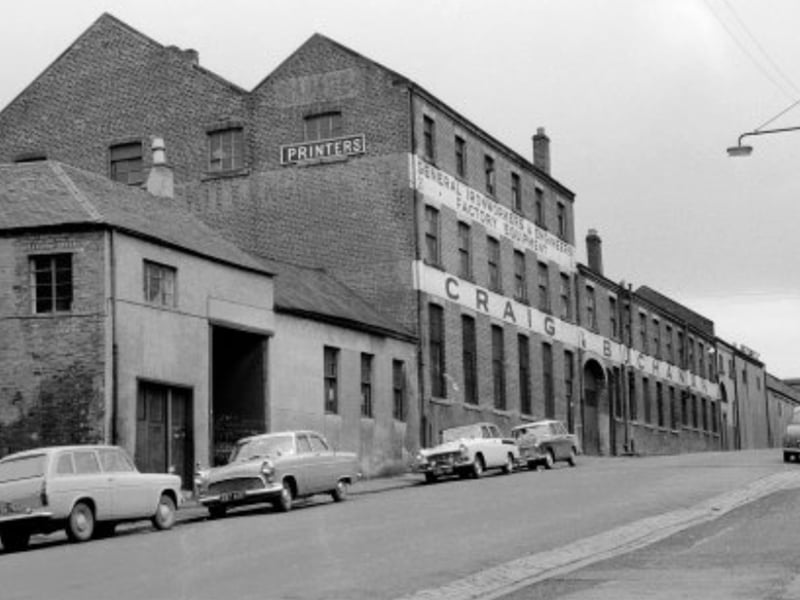
10. The Engine Works
The Engine Works along the Forth & Clyde Canal in Maryhill has a history dating back to 1837 and is an important part of Glasgow’s industrial heritage. It was built originally for Victorian industrialist and crude & shade oil producer William Walls. Clarkson and Becket brothers bought the Engine Works in 1873 producing steam engines for boats and ships around the world. Owned by just a handful of families over the years, the building remained in use until 2012, when it was vacated by Craig & Buchanon – unfortunately the property had been neglected for decades and had fallen into substantial disrepair. | The Engine Works
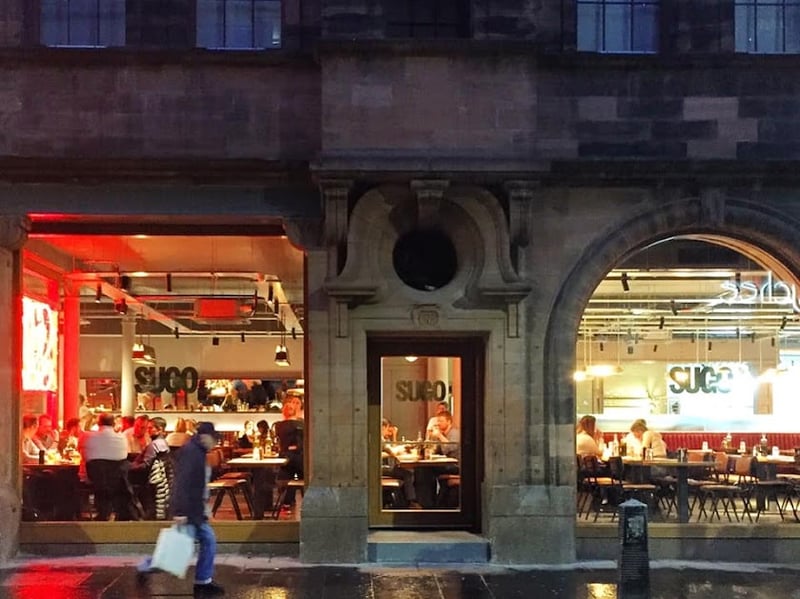
11. Sugo
Every Glaswegian knows Sugo by now - nestled in The Lighthouse, the original headquarters of The Herald when it was constructed back in 1885. This historic building was the very first public commission by Charles Rennie Mackintosh - it's one of the only ways you can access the old building now, as The Lighthouse has been shut to the public since the pandemic. | Contributed
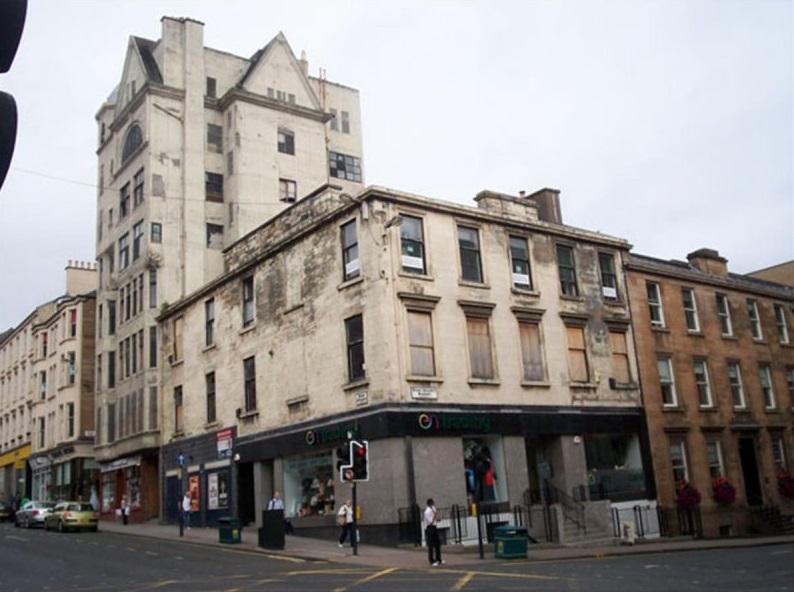
12. Lion Chambers
The architecturally unique Lion Chambers on Hope Street was designed in the Glasgow art nouveau style and dates from the early Edwardian era. It started construction in 1904 and finished in 1907. Options for its reuse have been discussed for more than a decade - but to this day the space remains derelict on Hope Street to this day. The building was home to many lawyers and artists for most of the 20th century, until they were evacuated in 1995 as it had become to dangerous to use for commercial purposes. It's lay derelict since - it's pretty safe from demolition, for the most part, thanks to it being A-listed. Most of the issues around the building stem from the experimental style of construction, the Hennebique System, which involves a reinforced concrete as its main material. Photo: Copyright Historic Environment Scotland