
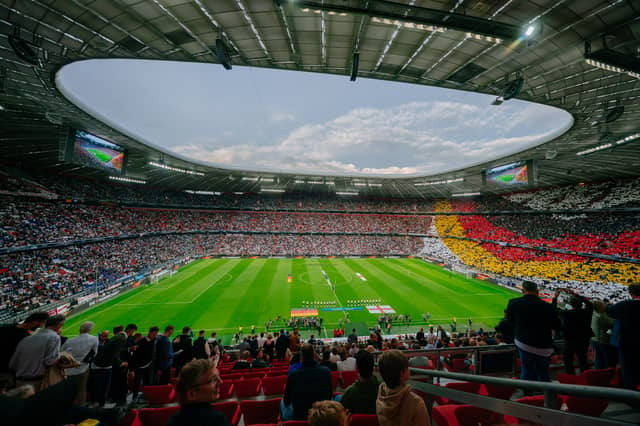


Germany will host the 17th UEFA European Championship in 2024 - and Scotland are firmly on course to book their place at next summer’s showpiece finals.
Steve Clarke’s men secured a fourth straight qualifying win in Group A with a 2-0 victory over Georgia at Hampden Park on Tuesday night to leave the Scots in pole position to rubber stamp their ticket to a second consecutive European Championships.
Having missed out on a place at the FIFA World Cup in Qatar last year, Scotland are now determined to ensure they will be involved at another major tournament and a maximum of 12 points represents a record start for the men’s national side.
Euro 2024 will take place in TEN host cities including the capital, Berlin, with nine other venues in across the country situated in Cologne, Munich, Frankfurt, Hamburg, Dortmund, Leipzig, Gelsenkirchen, Stuttgart and Düsseldorf.
Here are the list of 10 venues and cities where Scotland could potentially play their group matches should they qualify:
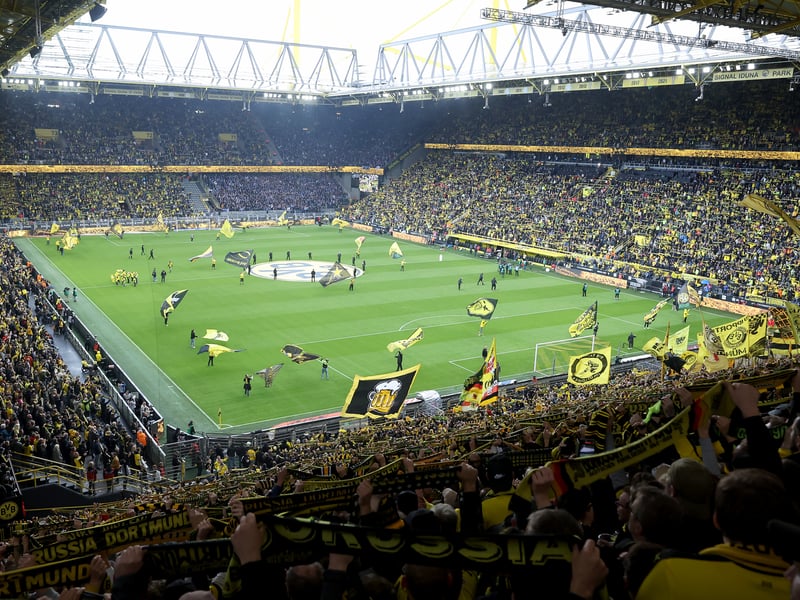
5. Signal Iduna Park - Dortmund (81,365 capacity)
Considered the cultural heart of the Ruhr region, Dortmund was known predominantly for coal, steel and beer 50 years ago, but has evolved into a major tech hub, with a lively cultural scene and rich sporting heritage on show at the German Football Museum. One of the most renowned venues in world football thanks to Borussia Sortmund’s famous ‘Yellow Wall’ stand, the ground is the largest arenas in the country. Notably hosted: 2001 UEFA Cup final | Getty Images
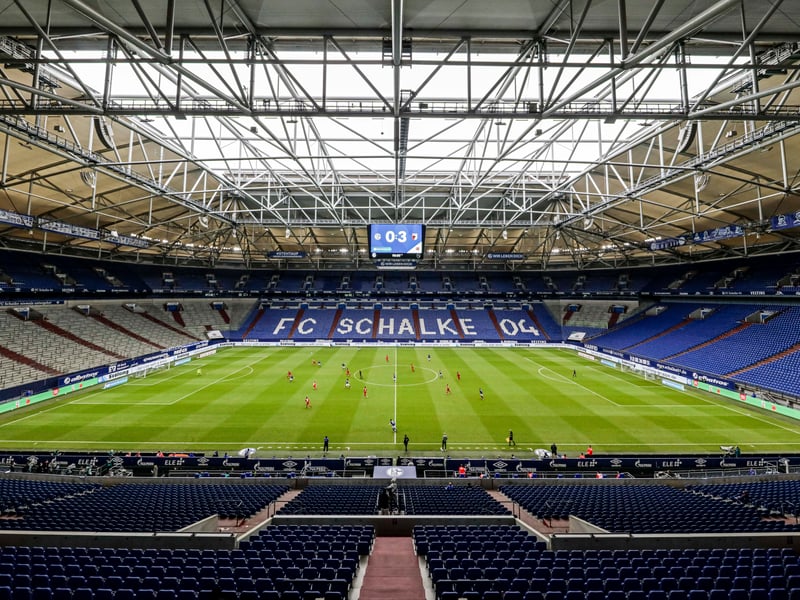
6. Veltins-Arena - Gelsenkirchen (62,273 capacity)
Gelsenkirchen is known for its coal mining and steel-making history, but visitors will these days find green space, theatres and boat cruises, as well as industrial heritage in the Ruhr region. Home of seven-time German champions Schalke, the ground features a retractable roof and slide-out pitch. Notably hosted: 2004 UEFA Champions League final, 2006 World Cup quarter-final | Karsten Rabas/Pool via Getty Ima
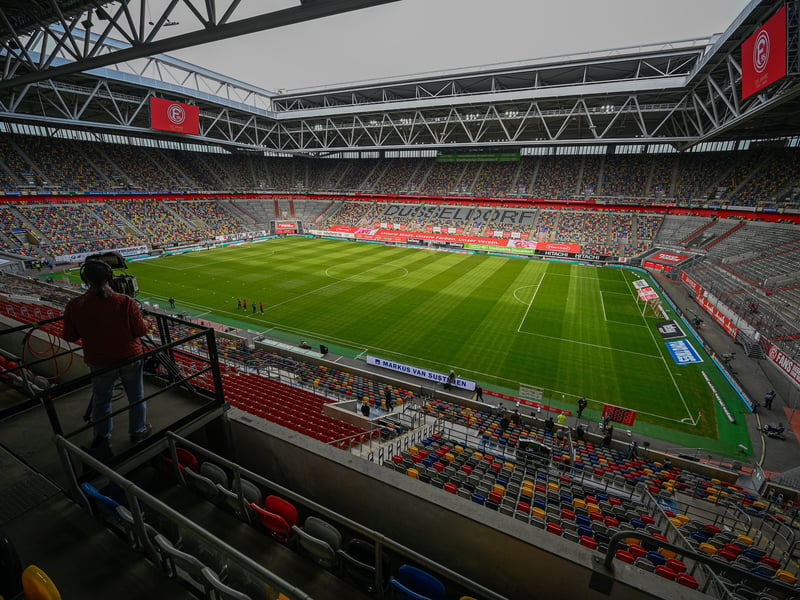
7. Markur Spiel-Arena - Düsseldorf (54,600 capacity)
The capital of North Rhine-Westphalia, Düsseldorf has more than 250 beer houses and restaurants in its Old Town, which has been dubbed ‘the longest bar in the world’. The stadium is one of the smaller EURO 2024 venues but still has a capacity of well over 50,000. Notably hosted: 1988 UEFA European Championship group games | Sascha Schuermann/Pool via Getty
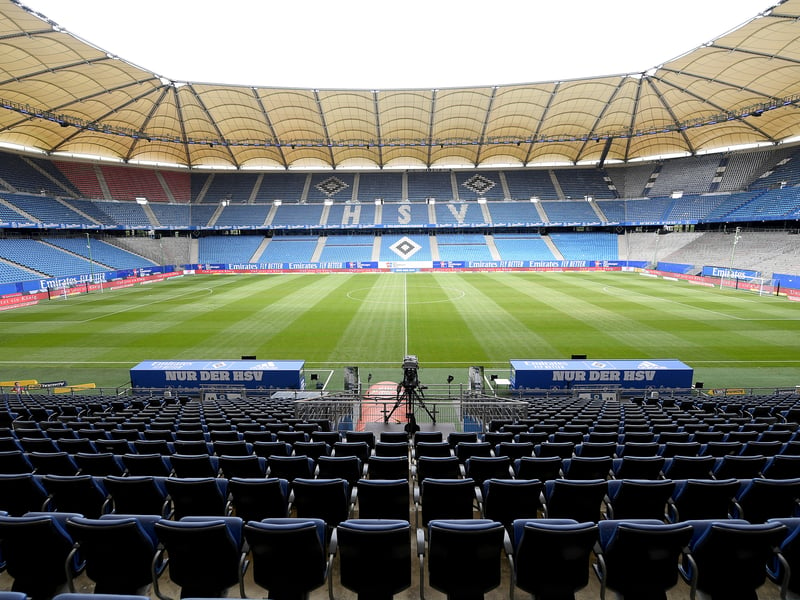
8. Volksparkstadion - Hamburg (57,000 capacity)
Third biggest European city that is not a national capital, Hamburg has a world-renowned harbour, a rich cultural history, impressive architecture and nightlife that makes it a ‘bucket list’ city for many tourists. The Volksparkstadion was first opened in 1953 but received a significant upgrade in 2000. Notably hosted: 2010 Europa League final, 2006 World Cup quarter-final | Getty Images