
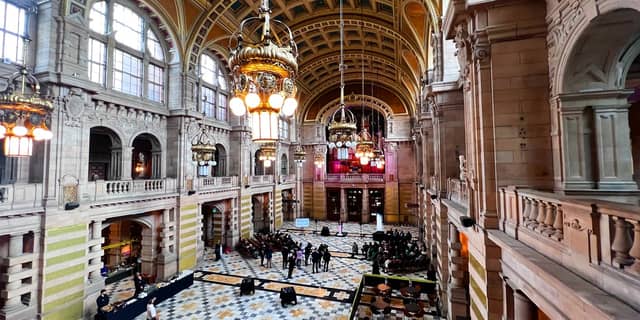


Glasgow is a city where architecture tells the story of its people and identity. Walking through its streets, you encounter a dialogue between centuries - medieval spires, Victorian grandeur, modernist experiments, and bold contemporary designs all jostling for attention. Each era brings an opportunity for reinvention, adding another layer of landmarks to the cityscape.
The affection Glaswegians feel for local landmarks are tied to memory and meaning: red sandstone tenements from childhood, university cloisters, grand civic buildings, curious city centre constructions, markers on favourite streets.
Part of what makes Glasgow’s architecture interesting is its variety. Charles Rennie Mackintosh’s visionary works, brutalist interruptions to the flow of Victorian and Georgian rows, old buildings reflected on the glass veneer of modern towers.
In recent years, conversations around Glasgow’s built environment have also highlighted the importance of preservation and regeneration.
While many important structures face challenges, there remains a sense of collective determination to protect the buildings that matter. Our built heritage deserves more care and attention. Glasgow is in danger of succumbing to the featureless onslaught of generic modernity. So much of the city’s sense of identity is wrapped up in the landmarks that have become emblems for Glasgow. They should be cherished and remain a part of local life.
Here are 25 of Glasgow’s favourite buildings, as suggested by our readers and writers, that best represent the city.
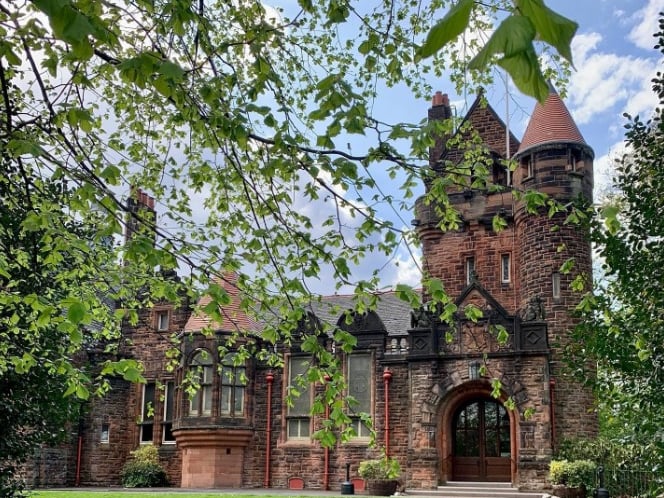
17. Pollokshields Burgh Hall
In 1887, Sir John Maxwell granted the land, now Maxwell Park, to the burgh of Pollokshields for the construction of a burgh hall and public gardens. Glasgow architect Henry Edward Clifford was appointed to design the new hall in 17th Century Scottish Rennaissance style. Using dark red sandstone and featuring a 60-foot tower the hall became a striking addition to the architecture of the new burgh of Pollokshields. Inside, local residents gifted stained glass windows and the hall was decorated with solid wood panelling, ornate cornicing and stonework. | Pollokshields Burgh Hall
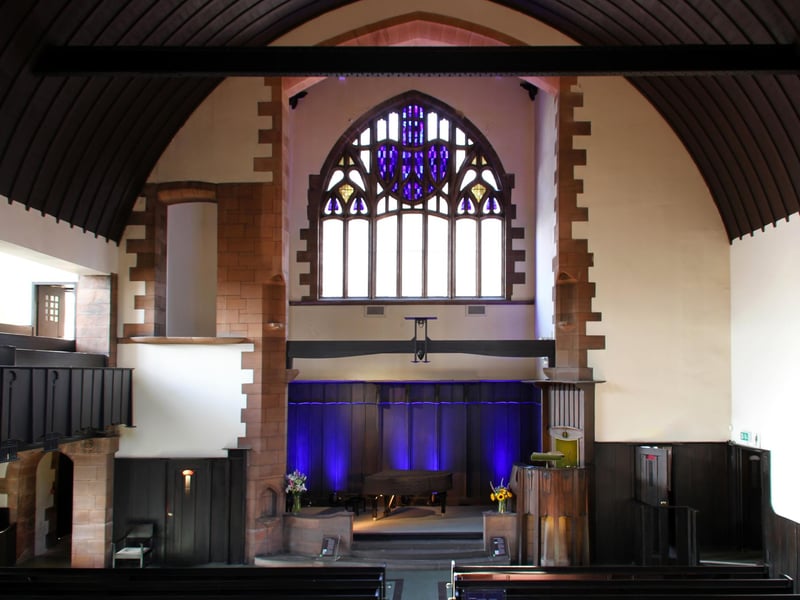
18. Queen’s Cross Church
The Queen’s Cross Church is the only church in existence to be designed by Charles Rennie Mackintosh. It was commissioned in 1896 by the Free Church and the building opened up for worship in 1899. Dr Thomas Howarth, Mackintosh’s first biographer, wrote of the church, ‘"the building possesses a warmth and charm conspicuously absent from many churches of the period due largely to the traditional simplicity of Mackintosh’s architectural forms and to the mysticism and spirituality of his decorative motives." | Queen's Cross Church Photo: via WikiCommons
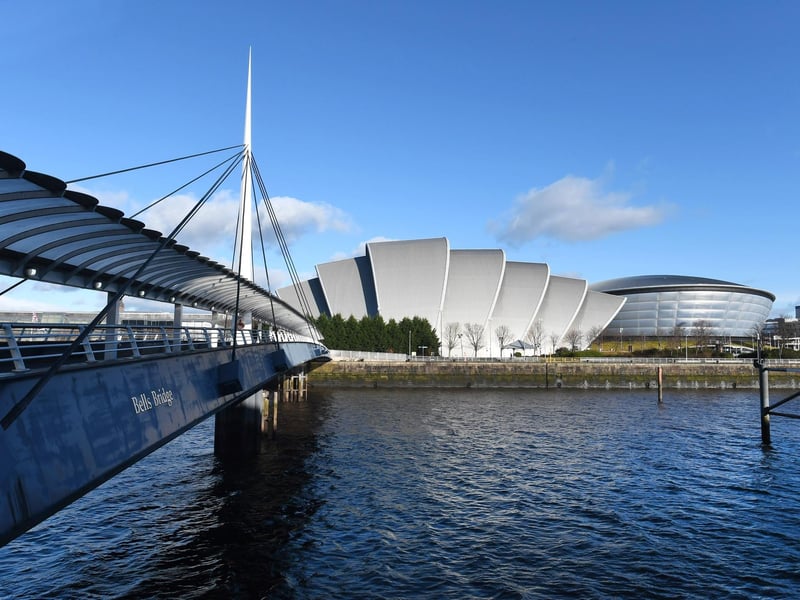
19. SEC Armadillo
The Clyde Auditorium was designed by Foster + Partners - when it opened in 1997 it heralded a new era for the Scottish Exhibition Centre. A local landmark with a distinctive style that accommodates 3,000 people for concerts and conferences. Norman Foster said that the design was inspired by the Clyde shipyards, with the ridges of the auditorium’s shell actually representing hulls of ships that interlock around the building’s core. | The Scotsman Photo: John Devlin
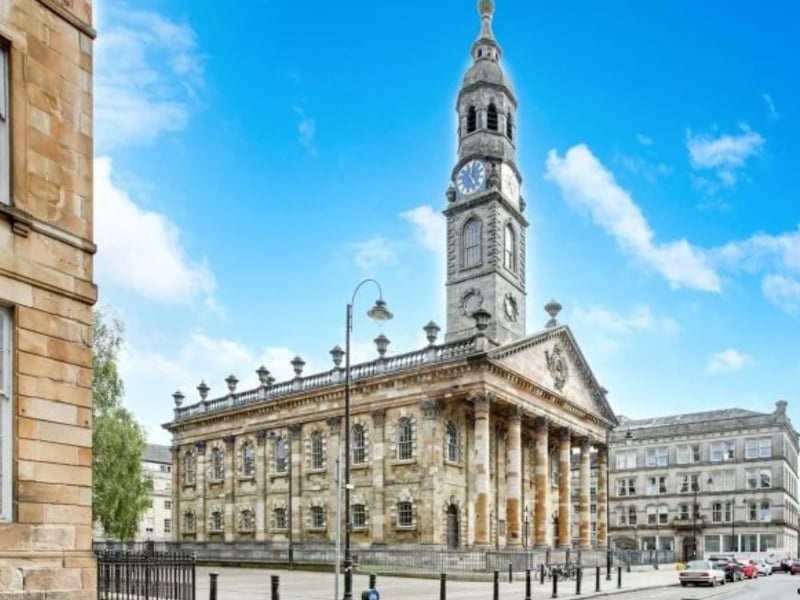
20. St Andrew's in the Square
Formerly known as St Andrew's Church of Scotland Parish church, it was constructed between 1739 and 1756, and is the fourth oldest church in Glasgow, after the Cathedral, the Tron Church on Trongate and the nearby St Andrew's-by-the-Green. The church was enclosed by a later square, built by William Hamilton between 1786 and 1787, which became fashionable homes for some of Glasgow's wealthiest merchants. | Supplied