
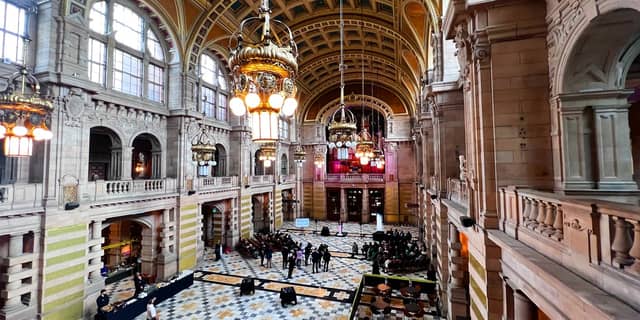


Glasgow is a city where architecture tells the story of its people and identity. Walking through its streets, you encounter a dialogue between centuries - medieval spires, Victorian grandeur, modernist experiments, and bold contemporary designs all jostling for attention. Each era brings an opportunity for reinvention, adding another layer of landmarks to the cityscape.
The affection Glaswegians feel for local landmarks are tied to memory and meaning: red sandstone tenements from childhood, university cloisters, grand civic buildings, curious city centre constructions, markers on favourite streets.
Part of what makes Glasgow’s architecture interesting is its variety. Charles Rennie Mackintosh’s visionary works, brutalist interruptions to the flow of Victorian and Georgian rows, old buildings reflected on the glass veneer of modern towers.
In recent years, conversations around Glasgow’s built environment have also highlighted the importance of preservation and regeneration.
While many important structures face challenges, there remains a sense of collective determination to protect the buildings that matter. Our built heritage deserves more care and attention. Glasgow is in danger of succumbing to the featureless onslaught of generic modernity. So much of the city’s sense of identity is wrapped up in the landmarks that have become emblems for Glasgow. They should be cherished and remain a part of local life.
Here are 25 of Glasgow’s favourite buildings, as suggested by our readers and writers, that best represent the city.
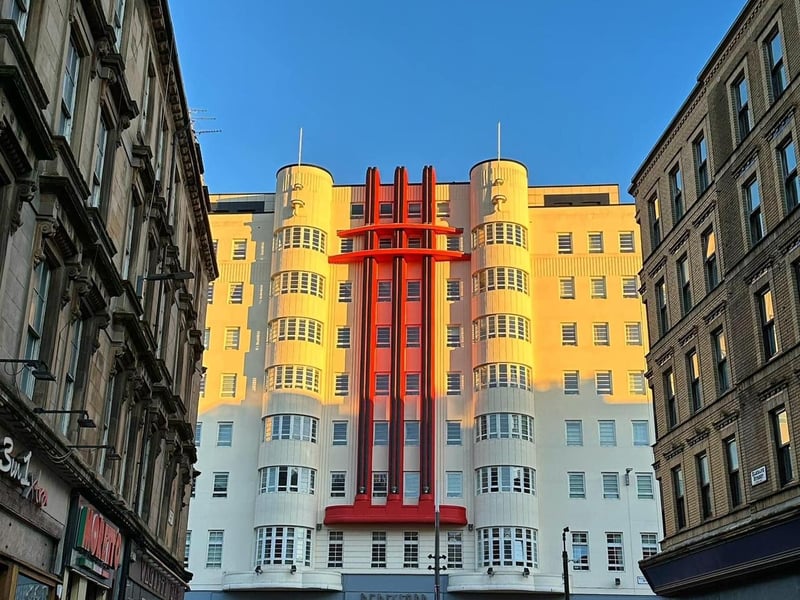
13. The Beresford
The Beresford on Sauchiehall Street was built in 1938, in the Art Deco style, to provide hotel accommodation for those attending the Empire Exhibition. It was described as Glasgow’s first skyscraper. A young John F Kennedy delivered a speech here a year later at the behest of his father, the US Ambassador to the United Kingdom at the time. The Art Deco building became a University of Strathclyde student residence, Baird Hall, from 1964-2004 before it was turned into flats. | Glasgowist
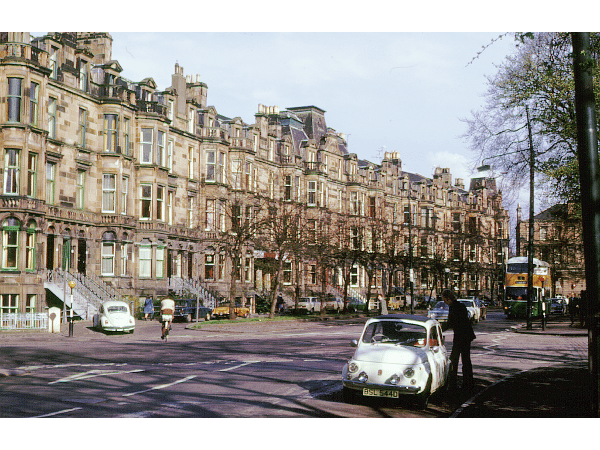
14. Queen's Drive
The tenements along Queen’s Drive, on the northern side of Queen’s Park, were designed by W.M Whyte who took inspiration from French Renaissance architecture. They feature steep pitched roofs covered in slate tiles, dormer windows, chimneys and small towers. There's a sculpture of the Roman goddess of freedom Libertas on the roof at the corner with Langside Road - the tenements were built in 1885, the same year in which New York's Statue of Liberty was assembled in Manhattan. This picture is of the buildings in 1975. | Glasgow City Archives
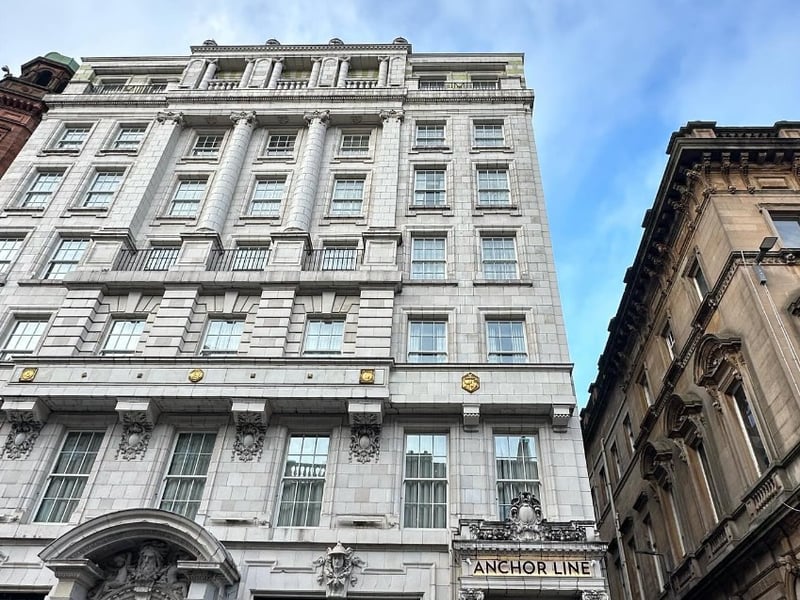
15. Anchor Line
The seven-storey Anchor Line building was built in 1906 as an office for the eponymous shipping line. The building was also known for being Cunard’s Glasgow booking office with huge models of the RMS Queen Mary and Queen Elizabeth in each window. The elegant faience clad Edwardian commercial building is the best-known example of architect James Miller’s predilection for white architecture. It is now home to a restaurant and aparthotel. | Anchor Line
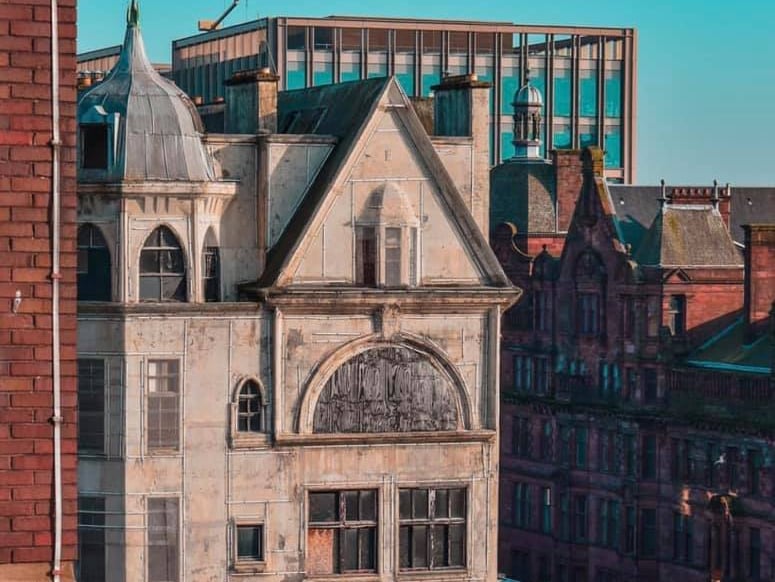
16. Lion Chambers
The Lion Chambers was only the second building constructed in Glasgow in the innovative ferro-concrete system. It was built 1904-7 for William George Black, a solicitor and art aficionado who commissioned architects Salmon and Gillespie to build and design an office for lawyers with art studios on the top floor and a shop on the ground floor. The design was in the middle of the era of the Glasgow Style where there was a rapid expansion of creative architecture in the city. The building is currently derelict with an uncertain future. | Suppled