
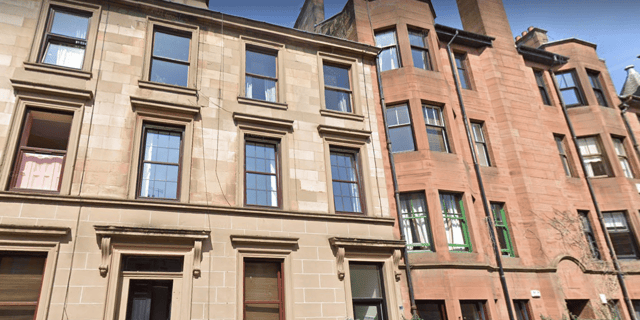


Glasgow is a wonderful city - but it doesn’t reveal all its secrets easily, there are many old artefacts around the city that are puzzling to outsiders and Glaswegians alike, today we wanted to share some of the most interesting, little known facts about Glasgow.
From old remnants of Glasgow in a previous era to the reasoning behind our architectural heritage, take a look below as we explore some Glaswegian trivia.
These are all true verified facts but if you’re a bit more interested in the fictional world of Glasgow, check out our article: 15 urban legends in Glasgow that every Glaswegian should know.

13. First international football match
The 1872 association football match between the national teams of Scotland and England is officially recognised by FIFA as the first international. It took place on 30 November 1872 at Hamilton Crescent, the West of Scotland Cricket Club's ground in Partick, Glasgow. | Supplied
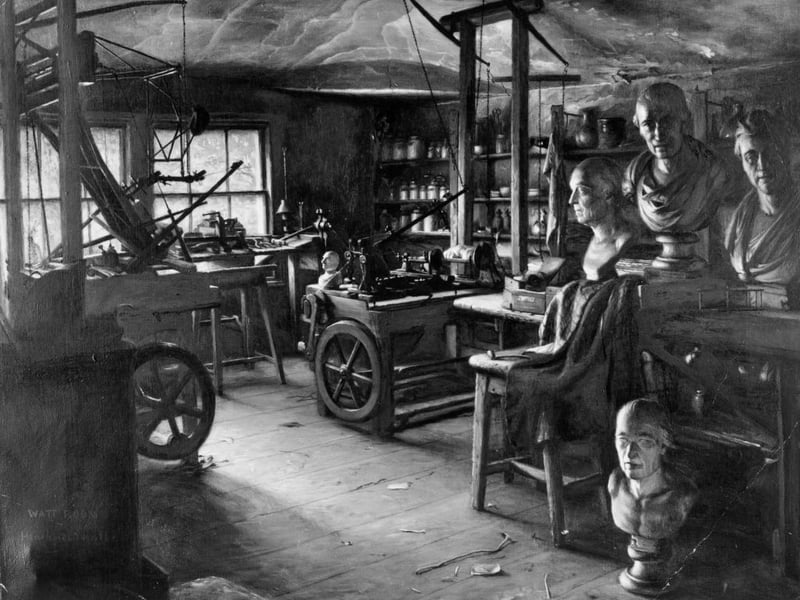
14. James Watt’s steam engine inspiration
James Watt was born in Greenock and went to Glasgow to learn the skills of a mathematical instrument maker. One of his repair jobs for Glasgow University was reconditioning a model of a Newcomen steam engine, but even after repair he found it would barely work because the efficiency was so low. Watt’s “big idea” came to him while strolling on Glasgow Green in May 1765. It took four years to get this idea - the separate condenser - designed, tested and patented. His improvements revolutionised compact steam engines and the metric unit of power was named after him. | (Photo by Hulton Archive/Getty Images)
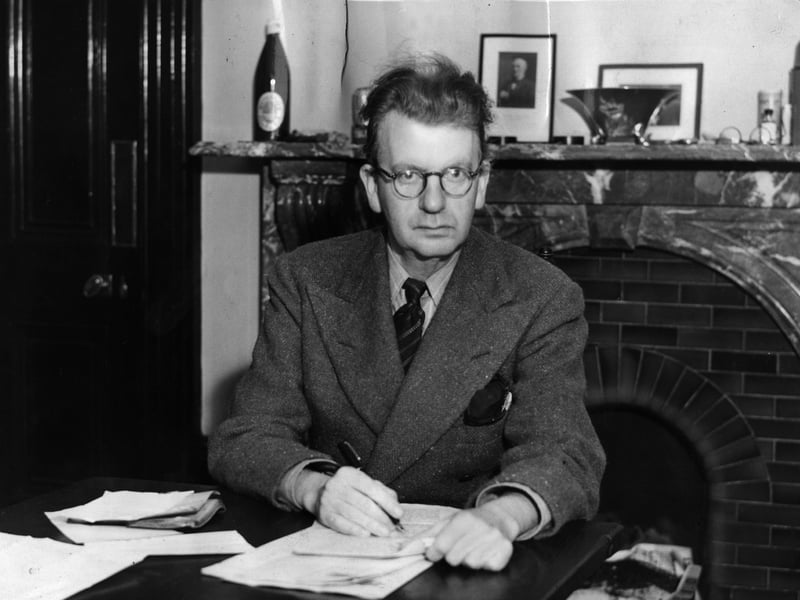
15. John Logie Baird's television transmission
John Logie Baird was born in Helensburgh and studied at Glasgow University. His historic television transmission to Glasgow in 1927 sent the world's first long-distance TV pictures over 438 miles of telephone lines from London to the Grand Central Hotel, showcasing Baird's mechanical television system and setting the stage for future broadcasts, including the BBC's first shows. | Getty Images