


Glasgow is a wonderful city, but it doesn’t give up all its secrets easily. Scattered across its streets are old artefacts and curious details that puzzle both visitors and Glaswegians.
Today, we’re sharing some of the most intriguing and lesser-known facts about the city. From remnants of Glasgow’s past to the stories behind its distinctive architecture, explore the Glaswegian trivia we’ve gathered below.
Here are 15 surprising facts about Glasgow most Glaswegians don’t know
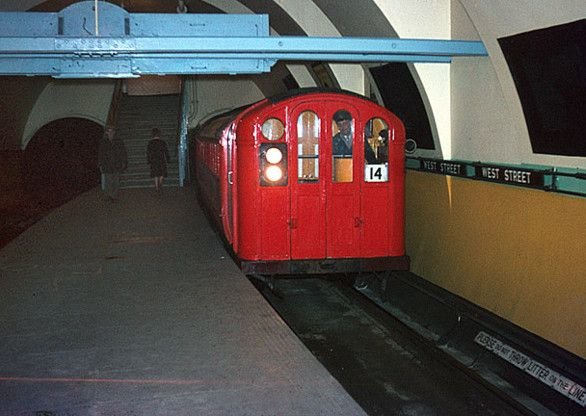
5. Glasgow has one of the oldest metro systems
The Clockwork Orange is the third oldest subway system in the world. Created in 1896, its only beaten by Istanbul (1875) and the London Underground (1863). | West Street Subway Station pictured in 1966. Picture: Wikimedia Commons
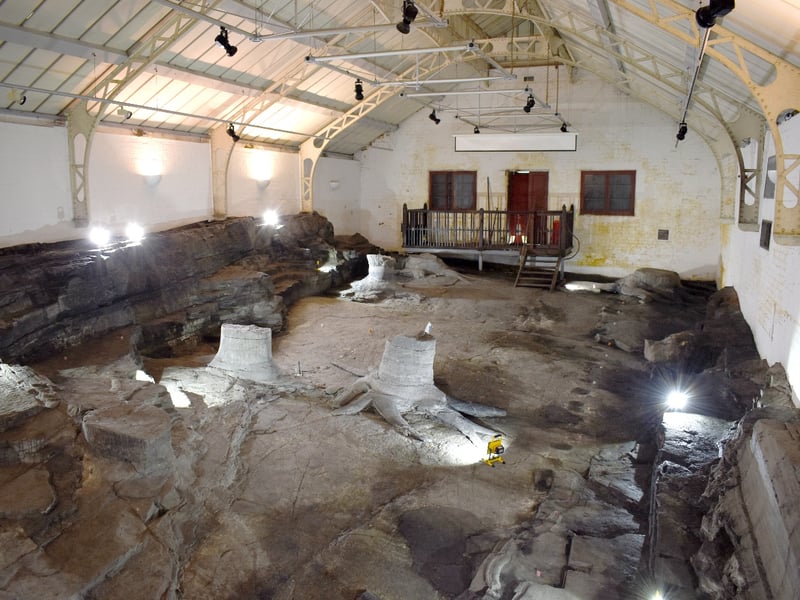
6. Home to one of the oldest tree fossils in the world
Fossil Grove is home to some old tree stumps that are around 330 million years old. Even older than the dinosaurs. You can find this hidden gem of Glasgow in the south west of Victoria Park at Whiteinch. | Fossil Grove Glasgow
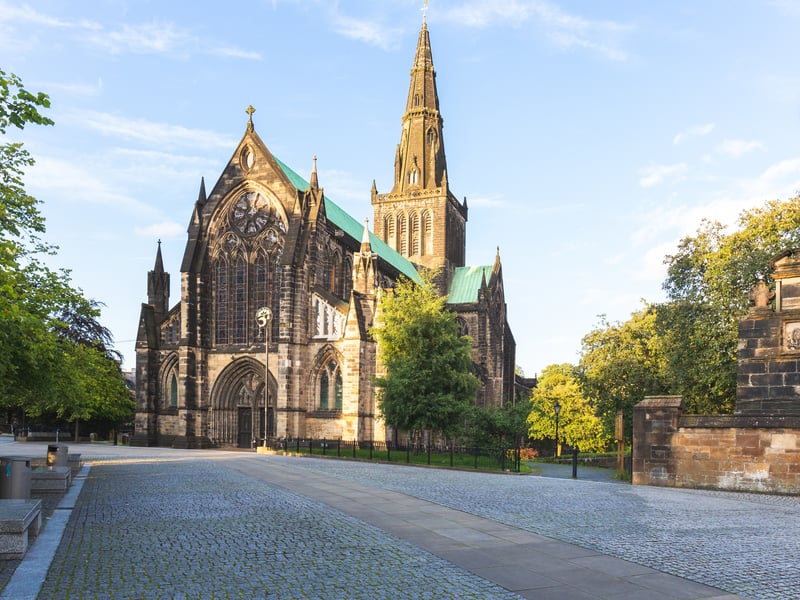
7. Home to Scotland's oldest Cathedral
Built for St Kentigern - or St Mungo, as he's also known - Glasgow Cathedral is mainland Scotland's most complete medieval cathedral alongside the oldest. It was the only Cathedral to survive the protestant reformation. | EyesTravelling - stock.adobe.com
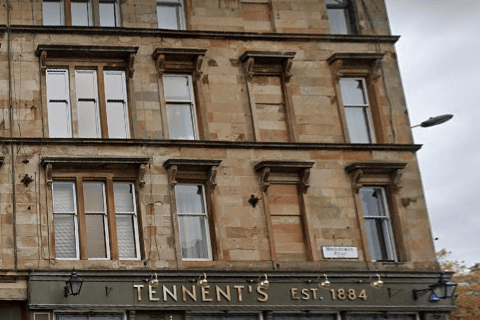
8. The real explanation behind bricked up tenement windows
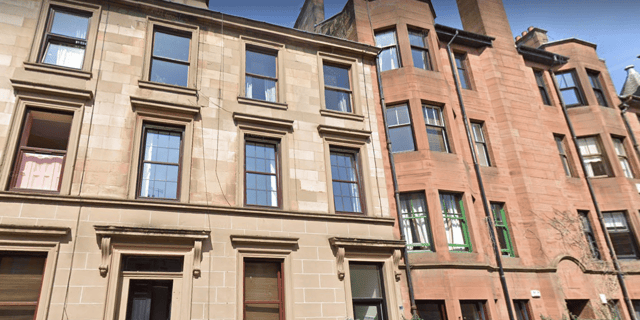
Many believe the reason behind bricked up windows was due to a window tax. In actuality for poorer residents residing in tenement buildings it wouldn’t be worth blocking off a window to your property to only save a few shillings a year. The legislation was repealed in 1851, so many of Glasgow’s newer tenements that feature blocked windows were never faced with the charge. In actuality, the bricked up ‘fake windows’ were common practice for Georgian and Victorian architecture - and were used to maintain the buildings’ symmetrical facades. It wasn’t exclusive to Glasgow either - as many vertical flights of bricked up windows can be seen in Edinburgh as well. Many of these fake vertical windows actually house chimney flues - which allow smoke from residential fires to rise through the building and out of the roof. | Contributed