
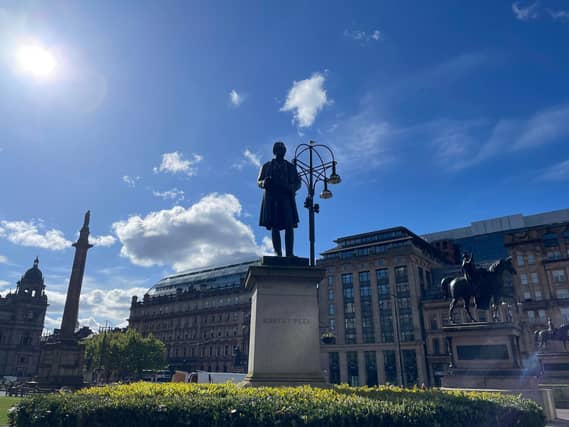


Eleven statues in George Square will be removed in May as redevelopment work gets underway this month.
Glasgow City Council will work with specialists on the restoration of the square’s 11 landmark statues which we have taken a closer look at. You can find everything you need to know about the major project to redesign George Square in this article.
The square is set to dramatically changed over the next few years as work is set to begin on the redevelopment of George Square in the coming months.
Firstly, the hoardings which will surround the perimeter of the city’s key civic space during its 18-month redevelopment will begin going up from 14 April. The panels on them will showcase Glasgow's past and present, while displaying the future vision for both George Square and the city.
Once the hoardings have been completed, in May the Square’s bronze statues will be removed for restoration and storage.
You can read our readers’ suggestions on who deserves a statue in the square here.
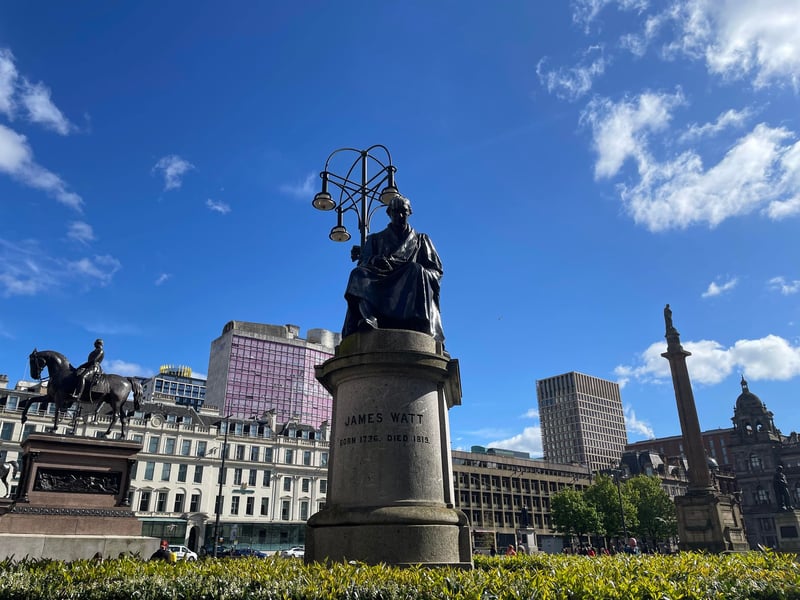
9. James Watt
Greenock-born James Watt was a Scottish inventor and mechanical engineer. His statue was designed by Chantrey and was erected in George Square in 1832. Watt designed the first economical steam engine, (“Beelzebub”), in 1769 and patented his own improved version, which reduced the consumption of fuel and steam by the use of separate condenser. | Declan McConville
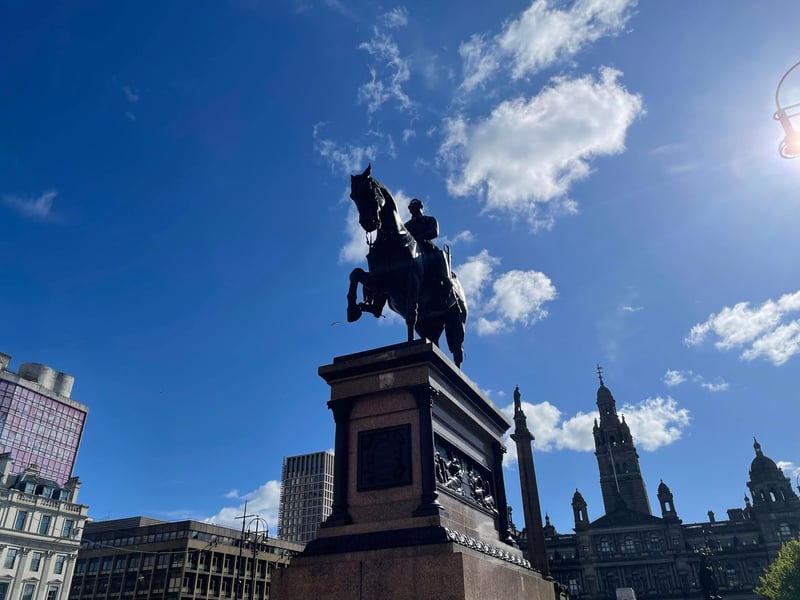
10. Prince Albert
Prince Albert married Queen Victoria in 1840 and together they purchased Balmoral estate in 1852. The statue by Marochetti was erected October 1866. The Albert monument was placed in the eastern half of the Square, facing south, with Marochetti’s earlier Equestrian Monument to Queen Victoria relocated from St Vincent Place to form an adornment on the opposite side of the Scott monument | Declan McConville
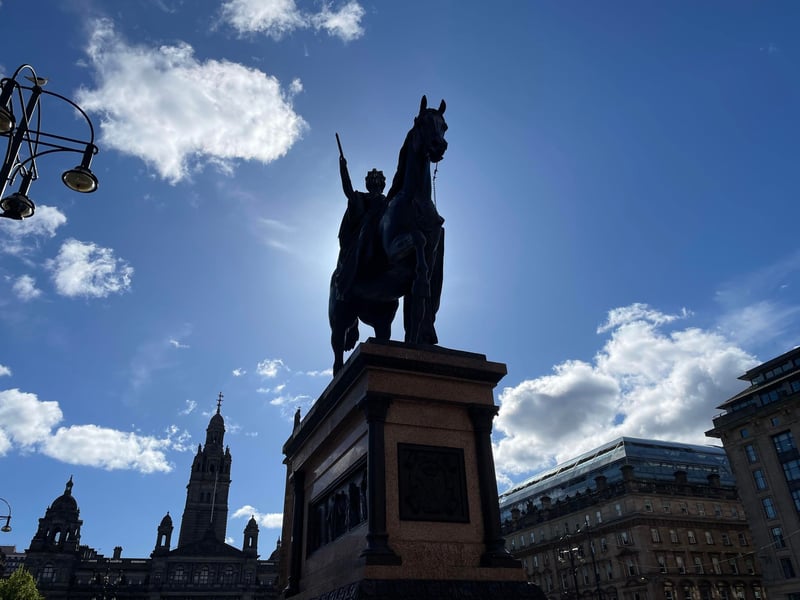
11. Queen Victoria
Queen Victoria succeeded to the throne in 1837 on the death of her uncle, William IV at the age of 18. She first visited Glasgow in August 1849. The statue was designed by Baron Carlo Marochetti and was first erected at St Vincent Place before being moved to George Square in 1866. | Declan McConville