

Glasgow is full of some truly magnificent buildings from different eras of the city, from the merchant to the industrial to the modern day - Glaswegian architects have designed some truly wonder
Most of these buildings have been standing for so long, that a lot of people can forgot their original purpose. While these buildings may be a part of everyday life for most Glaswegians, newcomers and visitors to Glasgow can really be wowed by some of our structures.
Old factories, warehouses, former churches and post-industrial spaces - we're a enterprising bunch when it comes to re-using out old spaces, so much so that we can forget that these buildings we see everyday were formerly used for an all-together different purpose.
The re-use of these old buildings is all-in-all a good thing, too many great Glaswegian buildings have been razed to the ground in the last 60 years.
Today we wanted to look back at the history of these buildings - the history you might not know about these buildings around the city.
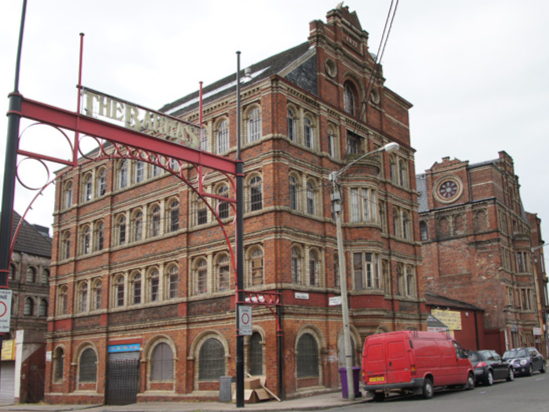
1. Clay Pipe Factory
Built 1876-79, and designed by architect Matthew Forsyth (1850-80). The former factory comprises of three ornate red and white brick buildings, which were originally linked by an equally ornate two storey building filling the site between the three buildings. The three buildings sited in the Gallowgate region at the east side of the Barras market area have Italian renaissance inspired design details and have some of the most intricate and ornate use of brick to be found within the city. Originally a clay pipe factory, the three buildings are currently a mix of commercial and residential usage. The buildings are category B listed. | Architecture Glasgow
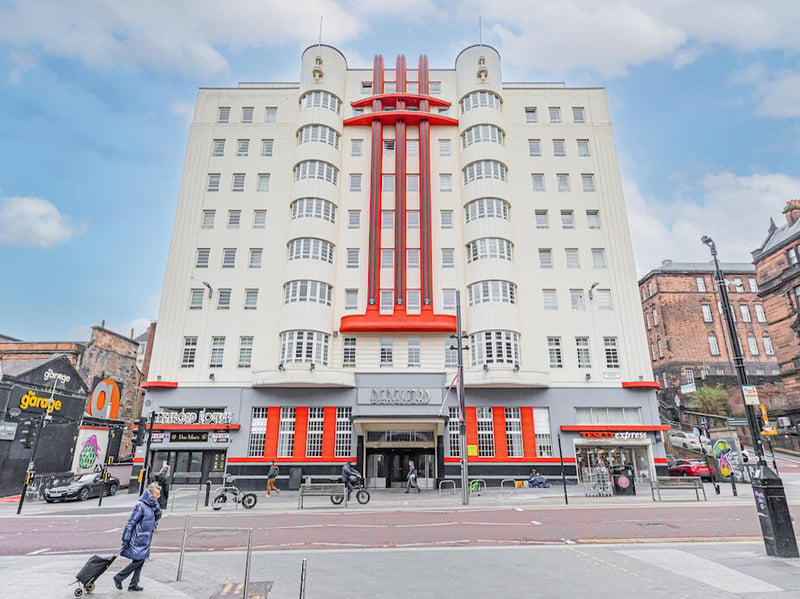
2. Beresford Building
Designed by the architect William Beresford Inglis from the firm Weddell & Inglis, the Beresford Hotel opened in 1938 to provide accomodation for visitors to the city attending Glasgow’s Empire Exhibition. It was described as ‘Glasgow’s first skyscraper’, the tallest building built in the city between the First and Second World War, standing at seven storey’s high. The building is the city’s most notable example of Art-Deco architecture, and is protected as such under it’s B-listed categorisation. Rather unusually, William Beresford Inglis, the architect of the building, went on to manage the hotel as both the owner and director during the buldings tenure as a hotel from 1938-1952. It was the Baird student halls of residence for the University of Strathclyde from 1964 to 2004, since then it has been used as private residential accomodation. | Keller Williams
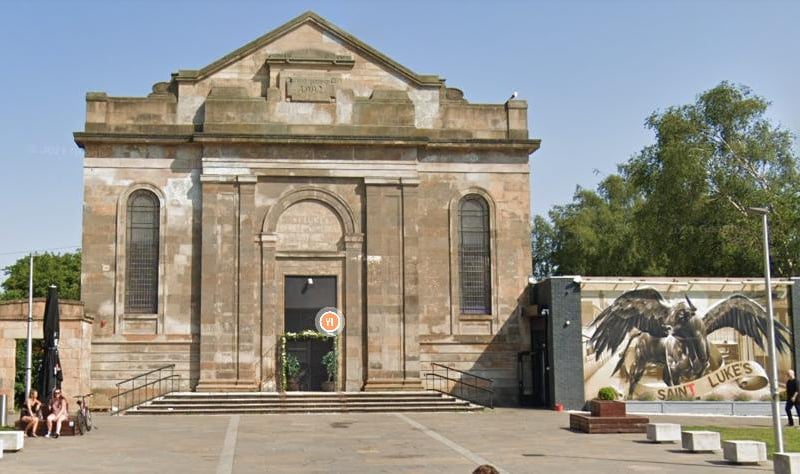
3. Saint Luke's
Originally St Luke's Parish Church - the building was thoughtfully restored retaining stained glass windows and the pipe organ display which dates back to the early 1800's. Designed by Glasgow’s own James Wylson and erected in 1836/1837, its construction came to fruition thanks to extensive missionary work in the surrounding community and was initially used as a “chapel of ease” for the residents of the nearby Barony parish. Attendance fell and the building became derelict in the 90s, but was restored and re-opened as the venue we know it as today in 2013. | Contributed Photo: Google
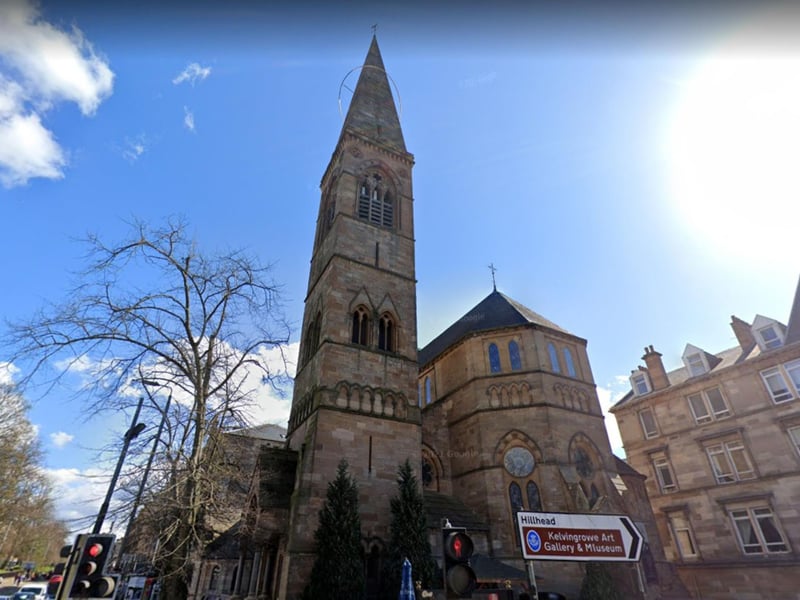
4. Oran Mor
Òran Mór (which is gaelic for 'big song', fun fact) is now a pretty institutional arts venue - but before then it was the Kelvinside Free Church, a parish church of the Church of Scotland. The foundation stone was laid on September 4 1862, and the church was built in the Neo-Gothic style. It later merged with Hillhead Parish Church leaving the building derelict from 1978 until it reopened as Òran Mór in 2004. Photo: Google Maps