
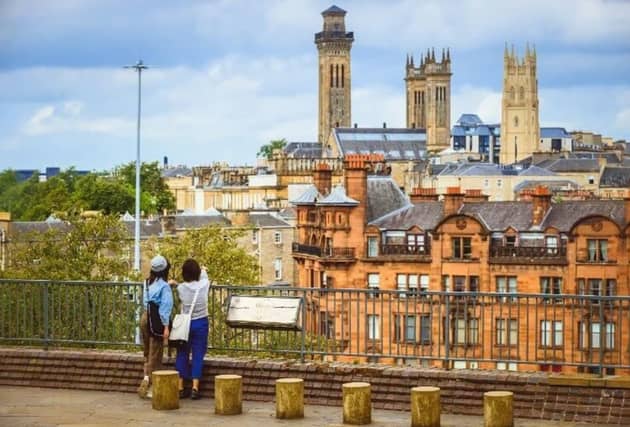


Glasgow is often thought of as a flat, low-lying city, but much of its shape, neighbourhoods, and even its name are connected to a landscape of gentle hills formed thousands of years ago.
The city developed across a series of small drumlins—glacially-formed hills left behind at the end of the last Ice Age. These rounded slopes influenced everything from early settlement patterns to later street layouts.
The earliest hub of Glasgow grew around Gallowgate and Cathedral Hill, where St Mungo established his church in the 6th century. This elevated ground offered natural protection and became the heart of medieval Glasgow.
As the city expanded in the 18th and 19th centuries, neighbourhoods grew across other hills such as Garnethill, Govanhill, Sighthill, and Cranhill, with many areas taking their names directly from the physical landscape.
Here are 14 historic Glasgow hills and the origins behind them.
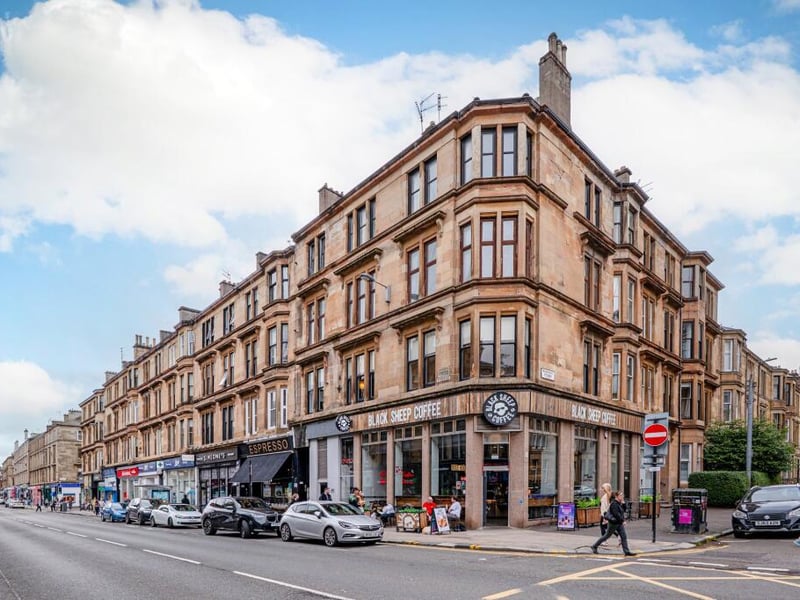
5. Hillhead
The present day Glasgow suburb of Hillhead takes its name from Hillhead House. The house sat upon on a hilltop facing a steep decline to the south-east, towards the River Kelvin. | Rightmove
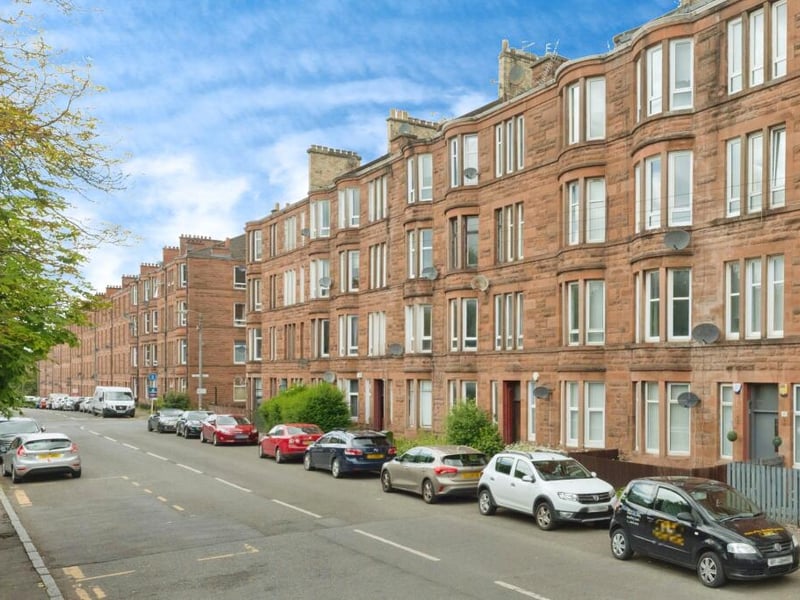
6. Budhill
Budhill takes its name from a farm that stood between Annick Street and Shettleston Station. | Rightmove
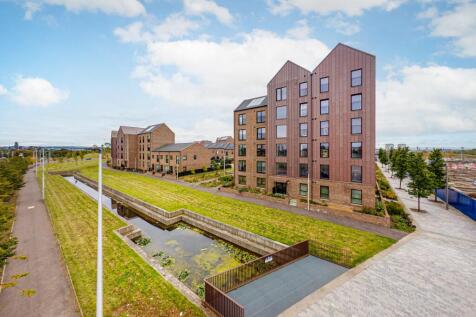
7. Sighthill
The name Sighthill is generally understood to come from its position as a prominent viewing point overlooking the surrounding landscape. The word “sicht” or “sight” in Scots and English simply refers to a view or vision, and the hill itself offered a clear vantage point across Glasgow long before the area was developed. | Rightmove
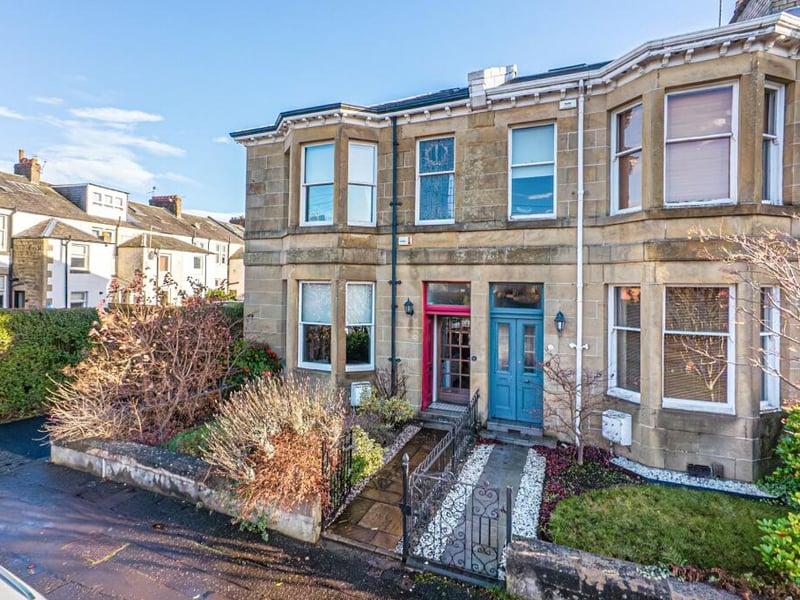
8. Jordanhill
Jordanhill, Temple and Knightswood have been linked to stories of the Knights Templar; but there is no evidence for their presence in this area. Jordanhill may be related to the family name "Jardine" | Rightmove