
Glasgow’s Rogano owner loses Supreme Court battle with landlord
Forthwell Limited, which has traded as Rogano since 1935, was locked in a contract dispute with Pontegadea UK over whether the latter should repay lost profits caused by the restaurant’s closure during the Covid-19 pandemic because of flooding.
The owner of Glasgow’s Rogano restaurant would have lost a Supreme Court battle with its landlord had the two sides not settled their dispute hours before the case was due to be heard, justices have ruled.
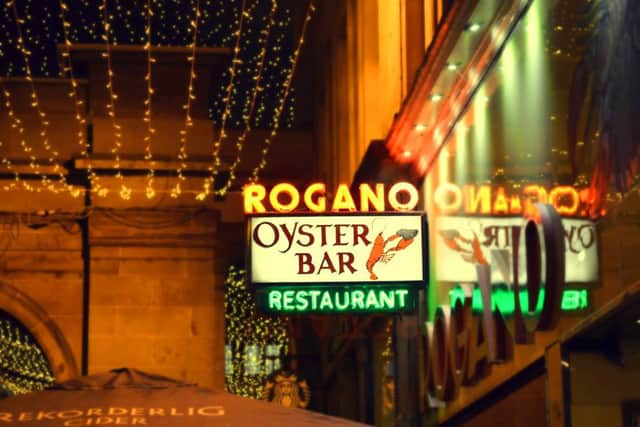

Forthwell Limited, which has traded as Rogano since 1935, was locked in a contract dispute with Pontegadea UK over whether the latter should repay lost profits caused by the restaurant’s closure during the Covid-19 pandemic because of flooding.
The UK’s highest court was due to hear the case in Glasgow in May, but at the start of the hearing, Forthwell’s barristers told justices the legal battle had been settled the evening before.
While the court was told that the settlement was not conditional on the challenge being withdrawn, no other details were shared.
Both sides argued the appeal should still be heard to resolve the case’s wider legal issues, and five justices unanimously ruled against Forthwell on Thursday.
Read more: Everything you need to know about Rogano restaurant UK Supreme Court showdown in Glasgow this week
The company agreed a lease for the Rogano site with Pontegadea in 1996, and in 2013 assigned its interest in the lease to a subsidiary, Lynnet Leisure Rogano Limited.
Lynnet then continued trading at the site under a “licence to occupy”.
In December 2020 and January 2021, flooding at the site caused an electrical fire which left the building unsafe, but Forthwell and Pontegadea could not agree on the scope of the repairs.
Forthwell claimed that as Pontegadea had failed to repair the site, as required by the tenancy agreement, it had caused Lynnet Leisure to suffer a loss of profits.
It took legal action seeking to reclaim both “past and anticipated future losses”, but Pontegadea said Forthwell could not recover profits lost by Lynnet as the latter was a third party.
Read more: The history of Rogano in Glasgow as restaurant could return after court settlement
While the Outer House of the Court of Session ruled in Forthwell’s favour in June 2024, that decision was partly overturned by the Inner House in October that year, and the company took the case to the Supreme Court.
In a ruling backed by Lord Reed, Lord Stephens, Lord Hodge and Lady Simler, Lord Doherty said that Forthwell and Lynnet “chose to organise their affairs in the way in which they did”.
He said: “They had no reason to believe that the ordinary legal consequences associated with their separate corporate personalities would not apply.
“Moreover, the lease prohibited sub-letting and the parting with or sharing of possession of the whole or part of the premises.
“Prima facie, the grant of the licence appears to have been in breach of the lease.”
Lord Doherty also said that he was not “persuaded that the outcome here is unjust” and that he was “not satisfied that there is a cogent case for the creation of the exception to the general rule” that a party could only claim for losses it had suffered, rather than for those of a third party.