
The race to stop Glasgow's tap water from turning brown from peat at Loch Katrine

The water in Loch Katrine is at risk of becoming discoloured thanks to the effects of climate change.
An environmental group is in a race against time as they hurry to repair hundreds of hectares of peatland around Loch Katrine that is beginning to discolour the water, turning the loch brown thanks to extreme rain.
Loch Katrine supplies water to 1.3 million homes in Greater Glasgow, and is often put up there with some of the best public water utilities in the world - alongside the likes of Scandanavia and New Zealand.
However peat surrounding Loch Katrine in the Loch Lomond and the Trossachs national park has begun to break down after periods of intense rain - meaning the earth, turf, and waste from the plantlife is beginning to tumble down hill and into the water.
The tap water turning brown isn’t just unsightly, it would also present bacterial and parasite concerns for over 20% of Scotland’s population. The taste and smell of the water would also be affected.
The effects of climate change are expected to bring a warmer climate to Scotland, and a warmer climate brings with it heavier rainfalls - which would in turn lead to more damage done the peatlands, which would in turn infect and discolour Loch Katrine and Glasgow’s water supply during any major rainfall event.
Loch Katrine is 8 miles long and is owned by Scottish Water, though it is managed by Forestry and Land Scotland. In total the site is 10,000 hectares - 400 hectares of which is being restored. Loch Katrine is the source of most of Glasgow's drinking water, which is carried along Victorian aqueducts to treatment works at Milngavie.
The estate containing the water catchment is owned by Scottish Water and is managed by Forestry and Land Scotland.
It covers an area of almost 10,000 hectares, about 400 hectares of which is in the process of being restored - around the same size as 400 Murrayfield stadiums. The project will also create one of Europe’s largest new woodlands in an effort to slow down the effects of climate change by capturing carbon and increasing biodiversity.
Elise Cartmell, Scottish Water's general manager for net-zero, told the BBC: "This natural organic matter is really complex to treat and we're having to use energy and chemicals. So, as part of our net-zero ambitions, we're obviously trying to reduce, as much as possible, these inputs."
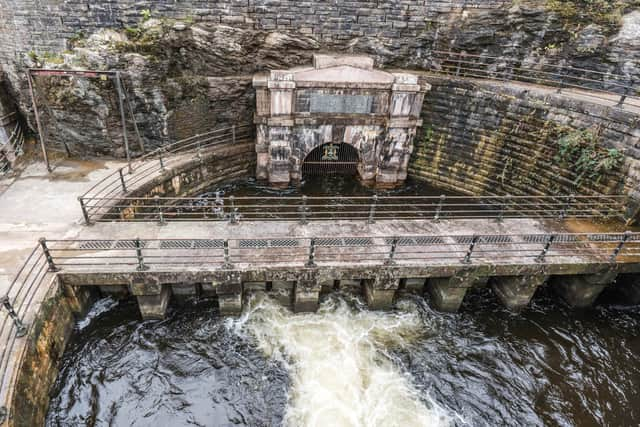

The construction of the Loch Katrine waterway was a massive task for Victorian Glasgow - constructing 14.5km of arched aqueduct, 21km totalling around 60 tunnels through hard rock, and 6km of bridges to take the water that final stretch over river valleys.
For more on the origins of Glasgow’s tap water and the herculean task of making it happen, read our article: Why Glasgow has the best tap water in the world.