
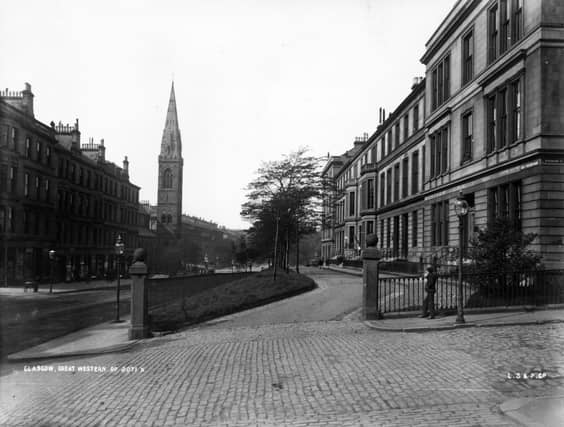


During the Victorian era, Glasgow became the workhouse of the empire as the industrial revolution saw heavy industry such as shipbuilding introduced to the River Clyde.
The Victorian period constitutes the 64 year reign of Queen Victoria, from 1837 to 1901. Life in Glasgow was incredibly different from life today in the city - class disparity was even more apparent than it is now - as the descendants of merchants and industrialists lived in comfortable new privately built homes, while workers on the shipyards, warehouses and factories survived in rudimentary tenement slums.
Working and living conditions were harsh for the lower classes in Glasgow - the stark disparity between the upper and lower classes is no more visible than in the great and terrible buildings they created. Workers in Templeton’s Carpet Factory would arrive for a shift in a workplace resembling a Venetian Palace, and then go home to a crumbling over-crowded East-End or Gorbals tenement infested with vermin without a toilet or running water.
The following 30 pictures aim to show aspects of life in Victorian Glasgow - through the leading industrialists, living conditions, and events that shaped the age and the culture of Glasgow at the time.
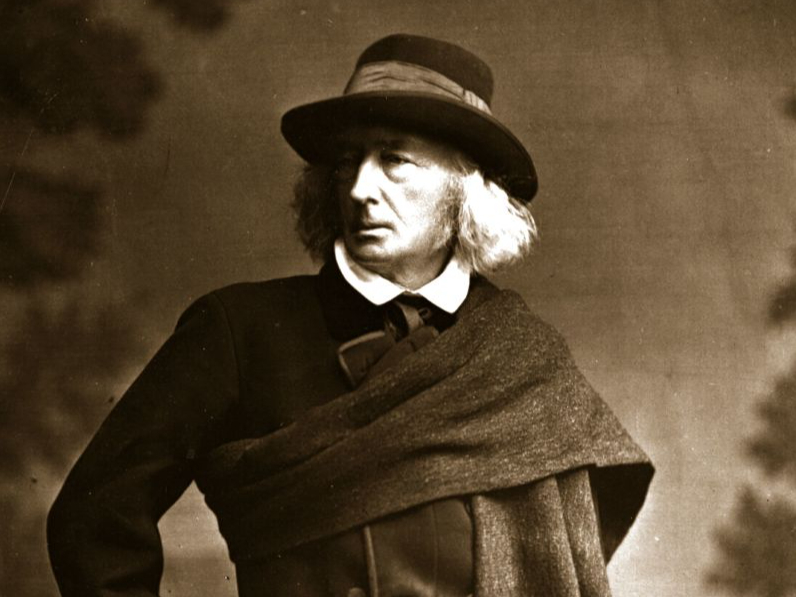
5. John Stuart Blackie (1876)
Scottish scholar and lecturer John Stuart Blackie (1809 - 1895). Blackie, born in Glasgow, had decided on a religious career but after his university life and studying abroad became attracted to the humanities. He translated ‘Faust’ (1834), ‘Aeschylus’ (1850) and the ‘Iliad’ (1886) before accepting a professorship in Greek, his most beloved subject, at Edinburgh University. Blackie also established a Celtic Chair at the university in 1882. He had a reputation for being eccentric but had a successful career and was a popular local character in Edinburgh. Original Artwork: Woodbury Type Dublin University Magazine - pub. 1876. | (Photo by J Horsburgh/Getty Images)
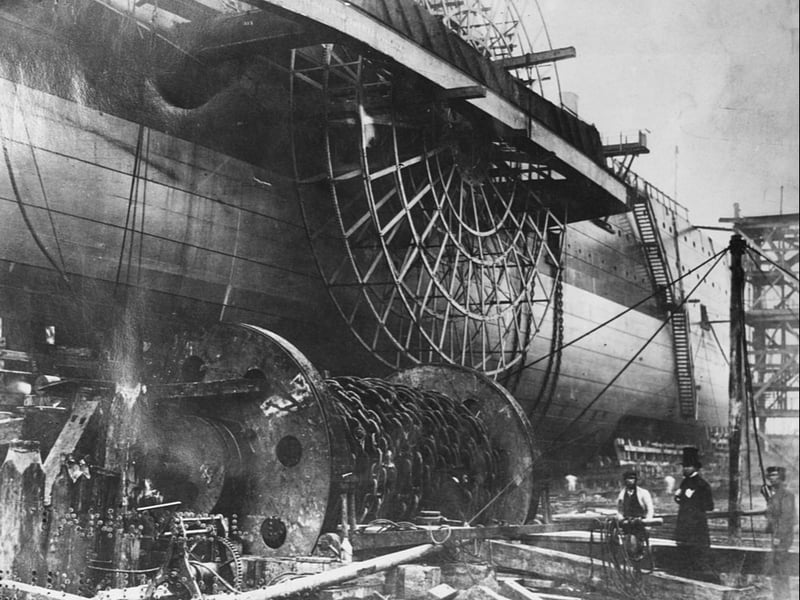
6. Building the ‘Great Eastern’ (1858)
Scottish naval architect and civil engineer John Scott Russell (1808 - 1882) on the right wearing a top hat, who co-designed the ‘Great Eastern’ with Isambard Kingdom Brunel. The ship was launched but stuck on the slipway for two months. Russell was born in Parkhead in Glasgow and graduated from the University there aged 13. He had considered a religious career but his fascination with steam and design inspired him to set up a coach company instead. Unfortunately in 1834 he became responsible for the first fatal automobile accident in Scotland in which four passengers died. This ended his business and he turned to ship design instead, pioneering experimental wave-line vessels for the Union Canal Company and, with Brunel, making the steamer ‘Great Eastern’ possible despite its size. He also worked as a journalist specialising in railway articles and owned his own shipyard. | (Photo by Hulton Archive/Getty Images)
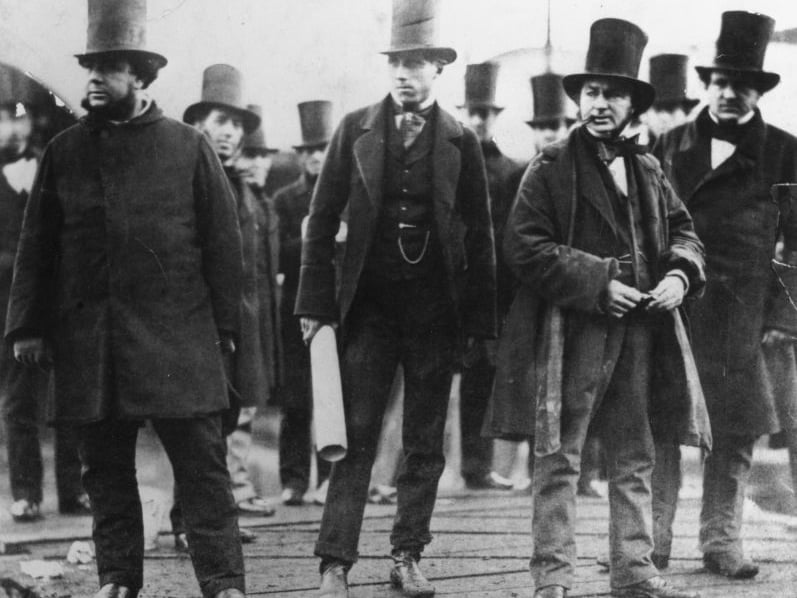
7. The launching ceremony for the ‘Great Eastern’ (1858)
From left to right; Engineers John Scott Russell, Henry Wakefield, designer Isambard K Brunel and Lord Derby at the first launching ceremony of the Great Eastern ship. | (Photo by Robert Howlett/Getty Images)
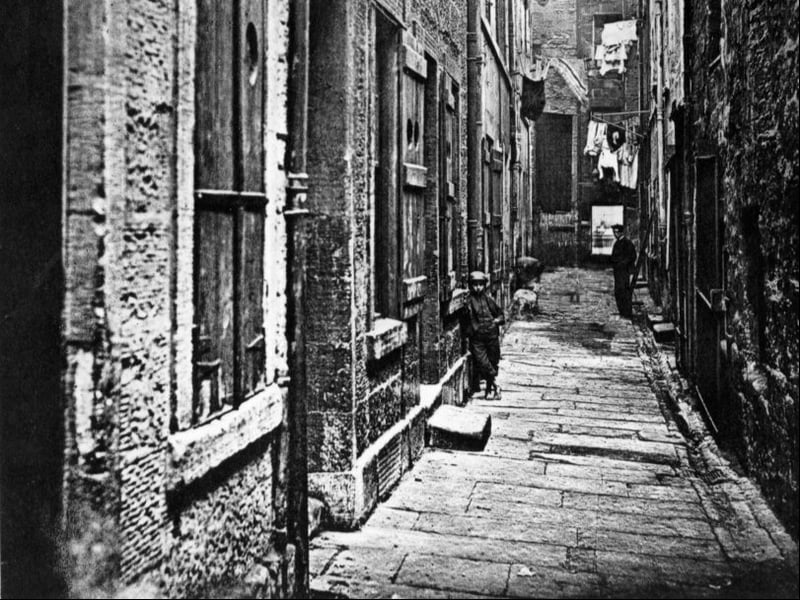
8. High Street close (1860)
A High Street close at no.65 in the Victorian era | (Photo by Thomas Annan/Hulton Archive/Getty Images)