
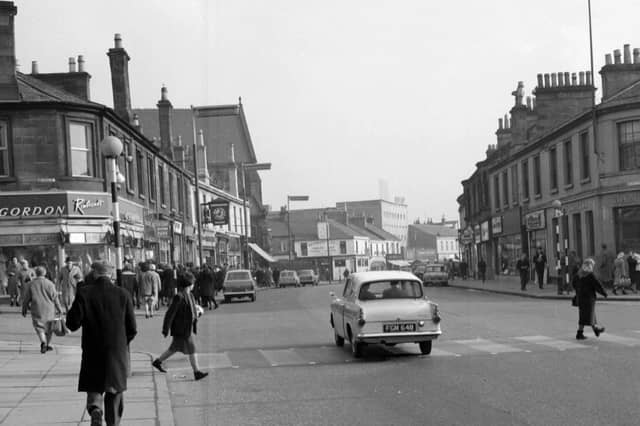


Coatbridge has an incredible history and heritage that any local can be proud to claim - today we wanted to look at Coatbridge when it was at its industrial peak.
While Coatbridge made a name for itself during the industrial revolution, there is evidence that the area was settled before even the Romans, as far back as as the Mesolithic Age 3,000 years ago - when a circle of bronze age coffins were found in Drumpellier estate in 1852.
Coatbridge owes its name to a bridge that carried the old Edinburgh-Glasgow road over the Gartsherrie Burn, at what is now Coatbridge Cross. This first appears on a survey in 1755 as Cottbrig, one of a number of places on the wider Coats estate. The name Coats most likely comes from the Scots word cot(t), meaning “cottage”, although an alternative theory links it to the name of the Colt family, who owned land here as early as the 13th century.
In the last years of the 18th century, the area developed from a loose collection of hamlets into the town of Coatbridge. The town’s development and growth have been intimately connected with the technological advances of the Industrial Revolution.
Coatbridge was a major Scottish hub for iron works and coal mining in the 19th century, and in this era it was described as ‘the industrial heartland of Scotland’ and the ‘Iron Burgh’.
All these images were supplied via CultureNL - to find more pictures and stories about your local history, heritage, and more, visit the CultureNL collections.
Take a look at these 12 pictures to see Coatbridge at its industrial peak.
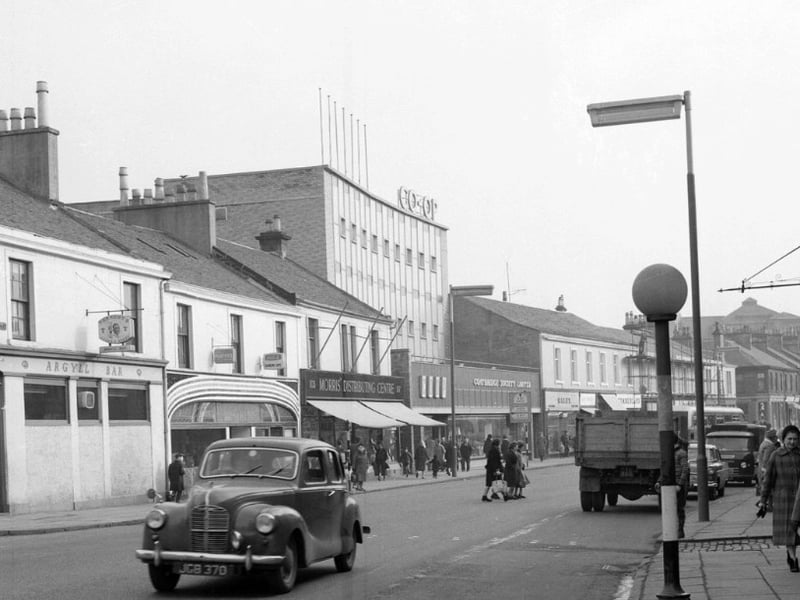
5. Coatbridge
An insight into Coatbridge life. | The Scotsman
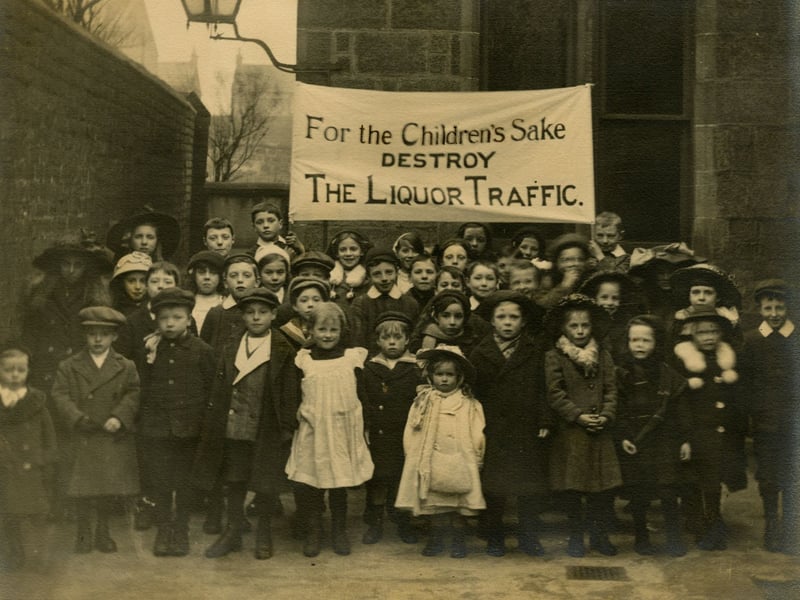
6. For the Children’s Sake DESTROY The Liquor Traffic (Circa. 1912)
Photograph of a temperance movement demonstration in Coatbridge around 1912. These movements were popular both with employers and the church - a successful temperance movement was seen in Kirkintilloch, which was a ‘dry town’ that outlawed the sale of alcohol from 1923 to 1967. | CultureNL
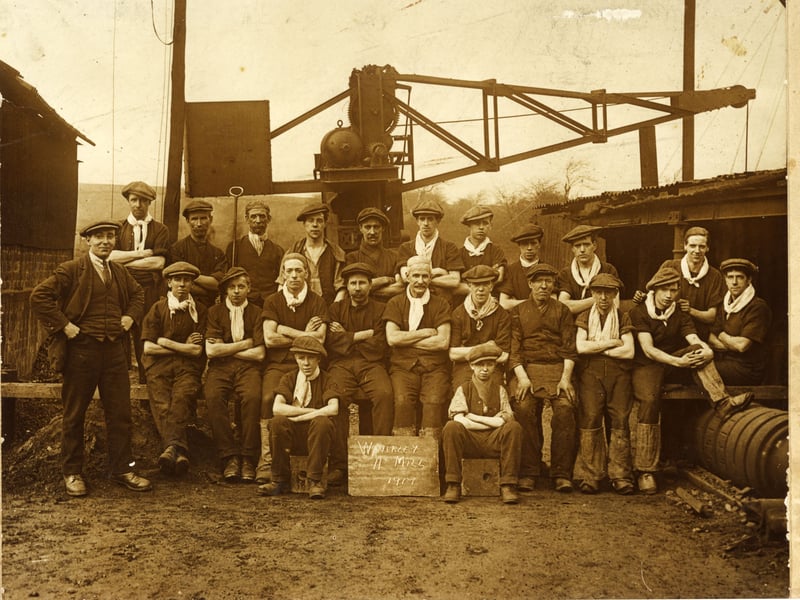
7. Steel Workers (1917)
Workers at the Waverly Steelworks pose for a picture - steel mill work was a protected job for the war effort, meaning the men were expected to continue their work rather fight on the front lines - many of these young men would have brothers, friends, family, and even fathers in some cases fighting on the western front when this photo was taken. | CultureNL
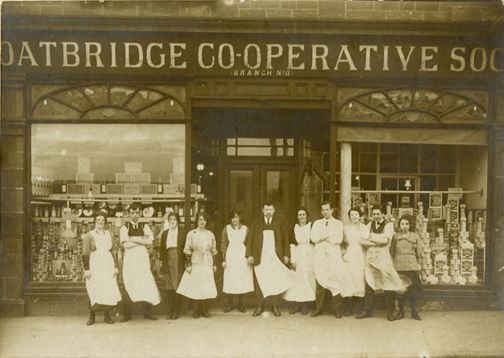
8. Coatbridge Co-op employees (Circa.1920)
Employees of Coatbridge Co-operative Society shop Branch No 11 (Muiryhall Street) standing in front of the shop. | CultureNL