
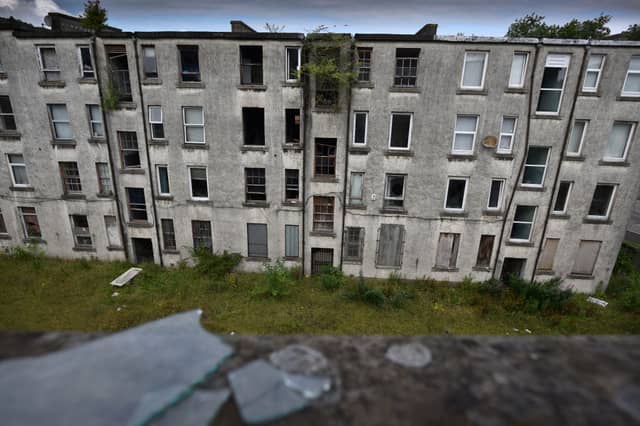


Glasgow’s housing has gone through generations of change from the red and blonde sandstone tenementsto the imposing high-rise towers - but there was lot of housing developments that the city lost along the way.
Schemes were more than just housing or accomodation blocks, they were communities with friends and families - all linked by their common post code.
In this article we wanted to look at some of Glasgow’s forgotten schemes - whether they be derelict abandoned tenements, social housing gone wrong, or the flattened flats that used to dominate the city’s skyline - and remember how they used to be, and what they are now.
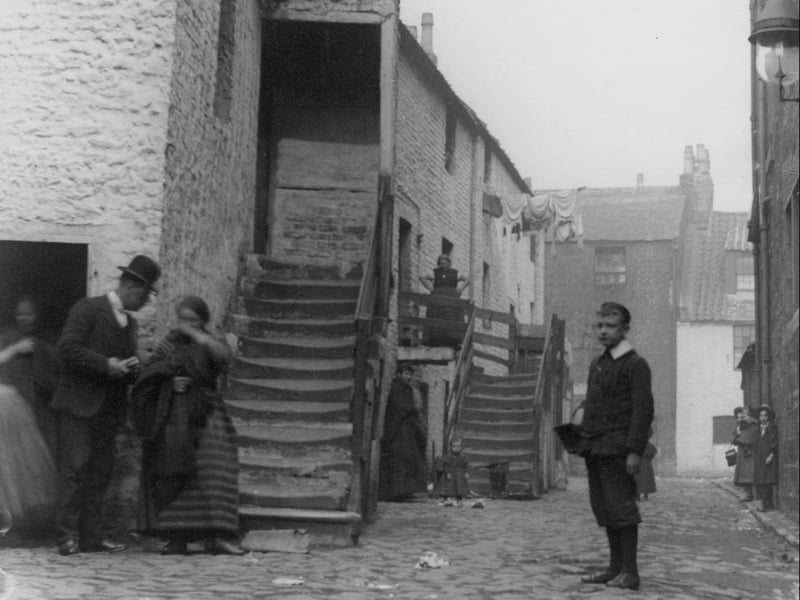
5. Backlands of Calton
In the early twentieth century, the construction of additional property between tenements - known as the backlands - brought about incredible overcrowding in schemes that were already facing slum conditions. There were more than a thousand backland properties in Calton - and become such an issue that the Government had to step in to provide increased funding to allow the Glasgow corporation to clear the slums. Around 1365 backland homes were demolished in the 1930s, leading to an end to the cramped conditions in what essentially were Tenement forecourts. The housing was replaced with 330 homes in three story tenements built in open spaces - around 20 per cent of Calton residents refused to move, preferring their property in the backlands - with a further 10 per cent returning to the backlands after leaving, despite the offer of larger accommodation at a lower rent. | Contributed
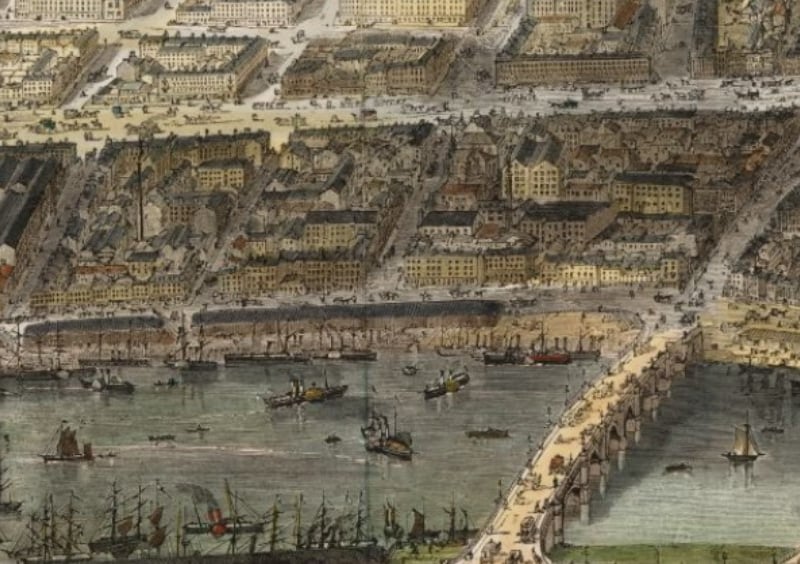
6. Grahamston
Glasgow Central Station sees thousands of commuters pass through it’s concourse each and every day - from mid-week office commuters desperate to get the first train home to weekend shoppers taking their time and chatting to friends underneath the clock - but once upon a time hundreds of people worked and lived on the current site of Scotland’s busiest train station. Most people know about the Victorian labyrinth of tunnels underneath Glasgow Central, the old platforms and train lines long since abandoned - you can even tour them. A lot less people however know about Grahamston, a village buried beneath the concrete and metal of the Victorian megastructure. Hundreds of years of history in Grahamston was nigh-on erased when the plans for Glasgow Central were established in the 1870s. It must have been uncertain time for the people of the village - as it wasn’t entirely clear where the Central Station would be built - original plans had it on the south of the River Clyde but disagreements from trade guilds and merchants elongated the planning process. | University of Glasgow, Thomas Sulman’s Bird’s Eye View of Glasgow, 1864
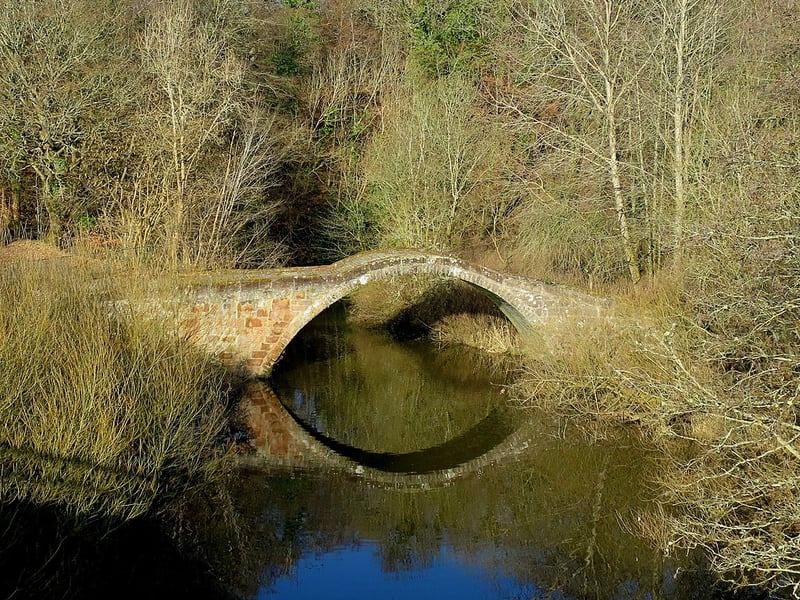
7. Bothwellhaugh
Bothwellhaugh was a former mining village near Motherwell that was flooded in the early 1970s to create Strathclyde Country Park - and as time goes on - less and less people remember the proud village that sent thousands of men down into the earth to fetch the coals that would heat our homes and facilitate the industry of the British empire at its very peak. Active as a mining village from 1884 up until its demolition in 1965 - the site was occupied long before the first shovel was dug into the soil that would become the coal pits, as ancient Romans held a fort (and nearby bathhouse) at the area near the River Clyde., pictured here is the last remnant from the Roman encampment, a stone bridge - which outlived the mining town that was built around it. | Contributed
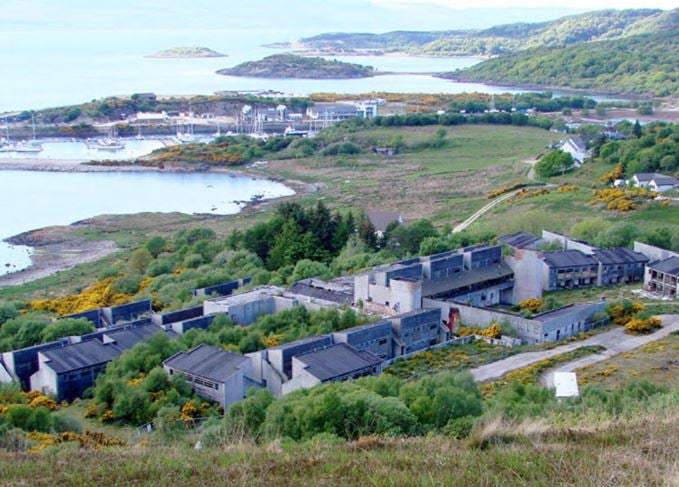
8. Polphail
A relatively modern development at a mere 40 years young, it was built to accommodate 500 workers for a nearby oil platform construction yard but the village was never occupied. Despite the oil boom of the 1970s, logistical problems with the location meant no orders were ever placed and the yard never went into production. Instead it has spent the last four decades at the mercy of nature, providing a home to a colony of bats and a blank canvas for street artists. | ScotchWhisky.com