
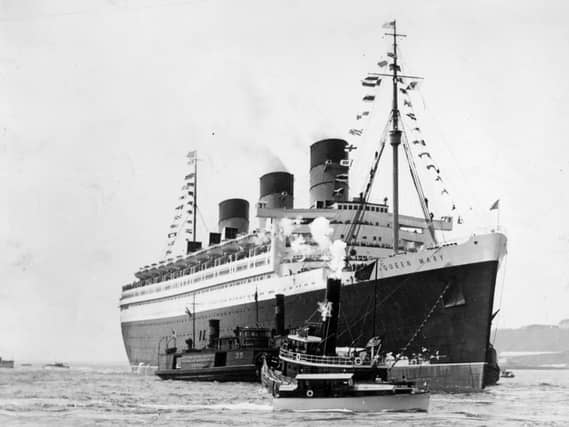


In the 19th and 20th centuries, over 30,000 ships - 20% of the world’s shipping - were built along the River Clyde, making Glasgow the shipbuilding capital of the world - so much so that the term ‘Clydebuilt’ was synonymous with high quality craft across the globe.
In honour of Glasgow’s 850th anniversary, we’re looking back at some of the biggest and best ships built on the Clyde that made the biggest impact on the world.
As Glaswegians, we’re proud of our shipbuilding heritage - there’s not a soul born in Glasgow without some kind of connection to the shipyards, whether that be in riveters, welders, labourers, foreman, or any other trade that kept big steel ships pouring out of the River Clyde.
At it’s peak, tens of thousands of people were employed by the shipyards of the Clyde, from Govan to Clydebank, the River Clyde was flanked end-to-end by massive dry docks, towering cranes, and the skeletons of massive steel monoliths sparked together by the people of Glasgow.
Glasgow built the biggest and best ships in the world for most of the 20th century - constructing around a fifth of all ships launched in the early 1900s.
The Clyde’s largest shipyards include John Brown’s shipyard in Clydebank, which constructed some of the largest and most impressive cruise liners of the 20th century in the small humble town, and Fairfield Shipyard in Govan - which many Glaswegians can trace heritage to, given the massive scale of the shipyard.
The end of the Second World War signalled the beginning of the end for the Clyde shipyards. While they remained open for decades afterwards, it would be slow decline as Glasgow was unable to compete with emerging industries elsewhere in the world.
While today there are two major shipyards on the Clyde, it’s estimated that more than 300 firms have engaged in shipbuilding on Clydeside in total, with around 30 to 40 firms operating at any given time during the peak of production.
Back before the days of package holidays, it was the main route Glaswegians used to holiday - mostly during the Glasgow Fair Fortnight. For generations Glaswegians would travel down the Clyde on paddle steamers to destinations like Ayr, Troon, and Rothesay on the Isle of Bute. Before that Glaswegian ships allowed for migration to America, Canada and Australia - transporting millions on their way to new lives.
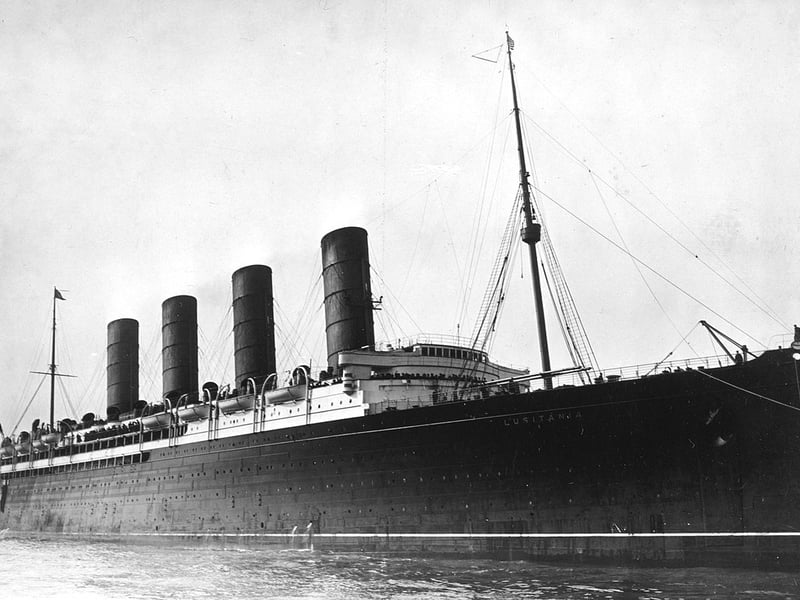
5. Lusitania
The Lusitania may be the most influential ship built on the River Clyde in terms of the impact it had on world history. Launched in 1906 as an 'ocean greyhound', the Lusitania was the worlds largest passenger ship when it was first constructed. It was sank in 1915 during World War 1, 11 miles South of Ireland, killing 1,197 passengers, crew and stowaways. Hundreds of the civilian passengers were American, turning the tide of public opinion against the Germans in the US leading to their eventual involvement in the war in 1917. | Wikipedia
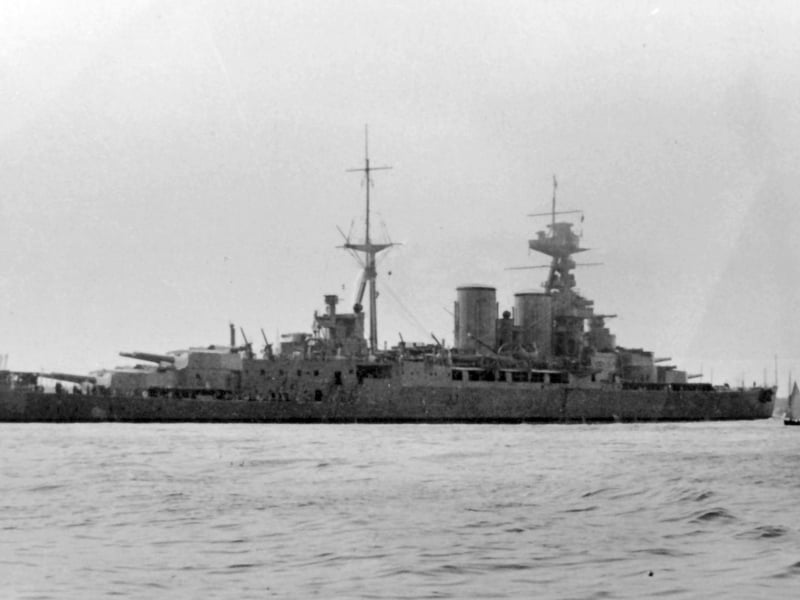
6. HMS Hood
Built at John Brown’s yard in Clydebank and launched in 1918, HMS Hood was the pride of the Royal Navy and the most famous battleship in Britain upon the outbreak of war in 1939. Known as ‘The Mighty Hood’, the battlecruiser was employed to protect convoys in the North Sea and as a general deterrent against invasion. In 1941 the Hood was ordered to intercept the Bismarck - the largest battleship ever built by the German navy - and prevent her reaching the Atlantic where she would pose a threat to Allied shipping. On May 24 the Hood and HMS Prince of Wales spotted the Bismarck and opened fire. Less than 10 minutes later, a German shell struck the Hood and exploded her main ammunition magazine. The battleship sank within three minutes with the loss of all but three of her 1418 crew. It remains one of the blackest days in Royal Navy history and was a huge blow to British morale. The Bismarck was sunk two weeks later after being tracked by HMS Ark Royal. The wreck of the Hood was finally located in 2001 and one of her two ship’s bells was retrieved in 2015. It is planned to display the bell at a permanent memorial to the Hood and her crew. Photo: The News archive