
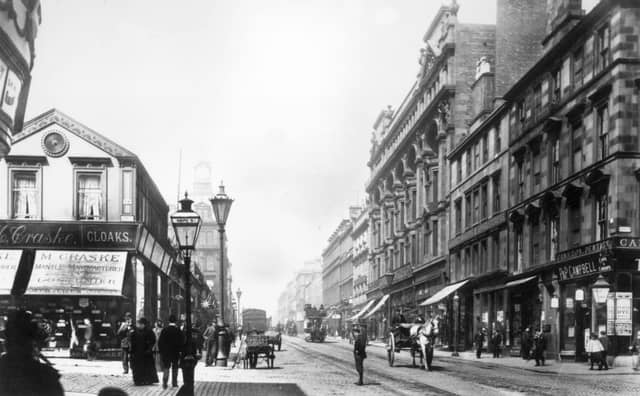


Millions of people have passed through Glasgow city centre over the past 200 years with Glasgow's main shopping streets having changed dramatically.
Names such as Sauchiehall Street, Buchanan Street and Argyle Street roll off the tongue whenever you mention Glasgow city centre to people with landmarks such as George Square also being instantly recognisable as well as many shops and restaurants.
So whether you have walked along to Glasgow Central Station for a train, jumped off the subway at Buchanan Street or used to go shopping at Lewis's department store on Argyle Street back in the day - here is a look at how the heart of the city has changed,
It's likely that in the coming years, Glasgow city centre will once again be transformed with many more Glaswegians about to find themselves living in the city centre with it being estimated that the area's population is to double to 40,000 over the next 15 years.
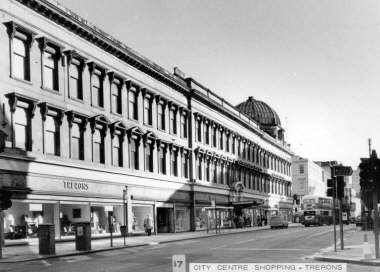
17. Sauchiehall Street 1970
A look along Sauchiehall StreaSauchiehall Street was truly at its height from the 1880s to the 1970’s - the street was packed with shops, department stores, theatres, and dancehalls. Nowadays you won’t catch a lot of people shopping on Sauchiehall Street, with most shoppers preferring Buchanan Street, the St Enoch Centre, and Argyle Street.et in 1970. | Virtual Mitchell
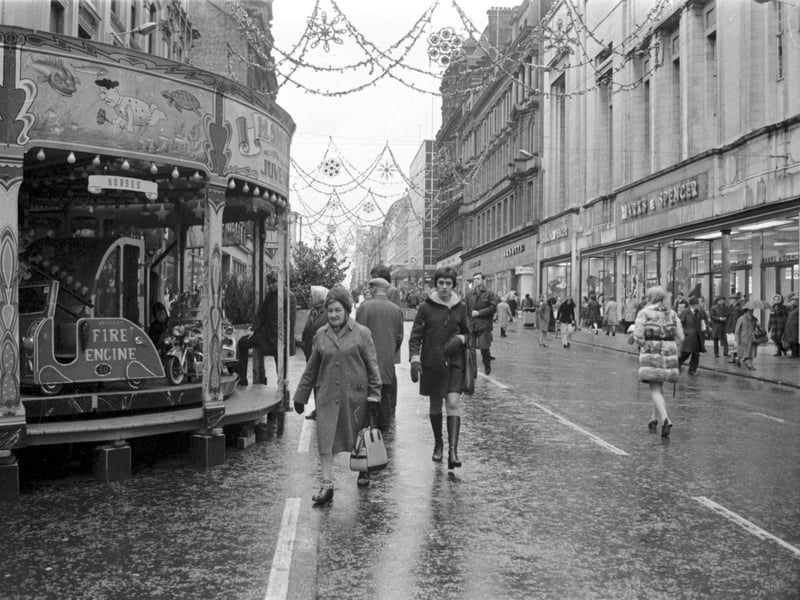
18. Sauchiehall Street 1972
Marks and Spencer's spotted in the background had been trading on the street since the 1930s but closed down in 2022. The store is now set to be transformed into new student apartments. Photo: Allan Milligan
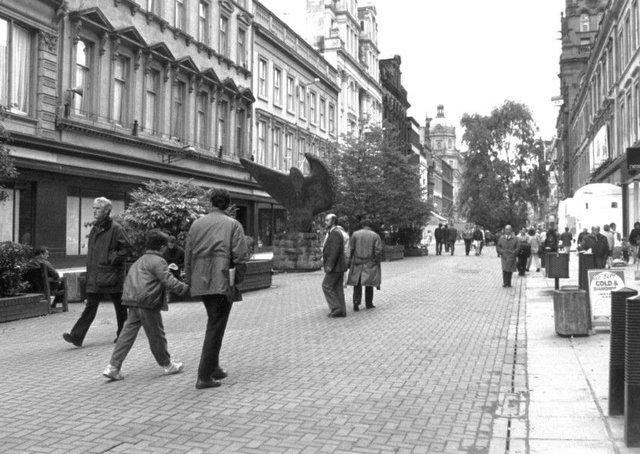
19. Buchanan Street 1977
A look up Buchanan Street in 1977 with the street becoming completely pedestrianised in 1978. Photo: TSPL
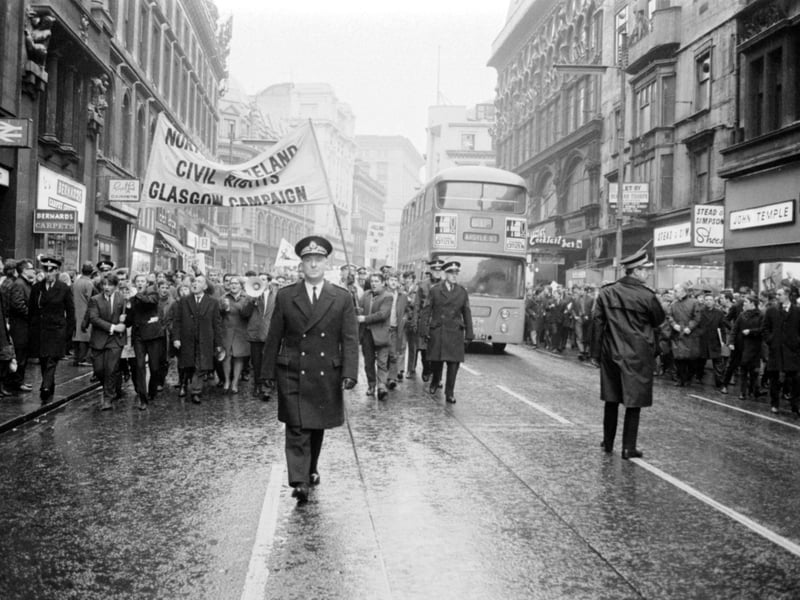
20. Union Street
It was the 80’s when Glasgow took a sharp dive. The Thatcher era and de-industrialisation badly affected all aspects of live in Glasgow, including the social aspect. In this picture we see a demonstration in support of civil rights in Northern Ireland - action like this was becoming more and more common as Glaswegians voiced their distrust of the British Government and their treatment of the city, the UK, and the people living there. Photo: Gordon Rule