

Glasgow’s loved and lost many communities over the years - here’s just a few places around the city that no longer exist
The city of Glasgow has gone through generations of change building on top of itself time and time again, and in the process of massive expansion over its history, annexed many of the surrounding villages.
Areas that are now Glasgow neighbourhoods, or now completely cease to exist, all had their own distinct culture and industry - which were taken over by Glasgow. In honour of Glasgow’s 850th anniversary, we wanted to look back at these villages and how they now contribute to the fabric of Glasgow’s history.
In this article we wanted to look at some of Glasgow’s forgotten villages - whether they are now incorporated into the city of Glasgow or transformed into something completely different.
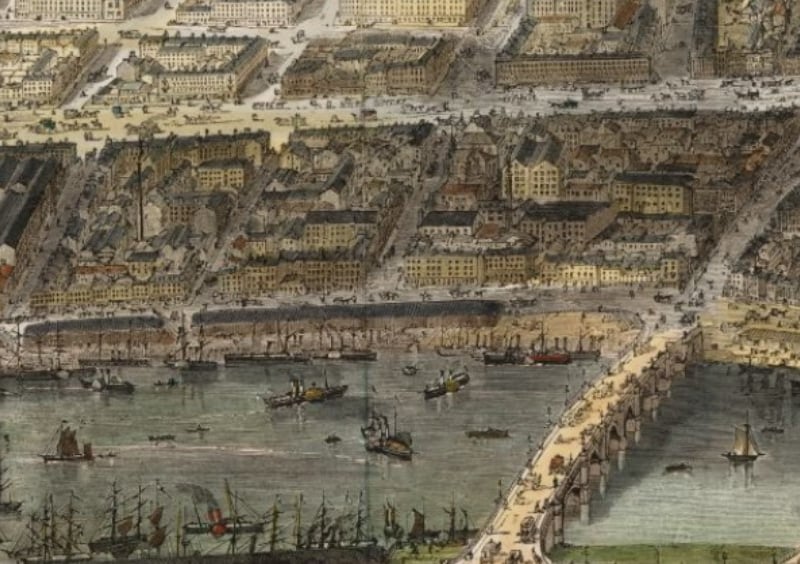
1. Grahamston
At the time of it’s establishment, Grahamston was a satellite village of Glasgow, just outside the Western boundary of Glasgow. The village was given it’s name by the landowner, John Graham the Second of Dougalston - who owned the land from Argyle Street north to Gordon Street and from west of Mitchell Street to Hope Street - a parcel of land that would be worth a significant amount of money today. Hundreds of years of history in Grahamston was nigh-on erased when the plans for Glasgow Central Station on the site of Grahamston were established in the 1870s. It’s said that about 2,000 people lived in Grahamston - with around 300 businesses ranging from barbers to grocers to haberdasheries - these would all be buried or cleared when work began on Glasgow Central in 1879. | University of Glasgow, Thomas Sulman’s Bird’s Eye View of Glasgow, 1864
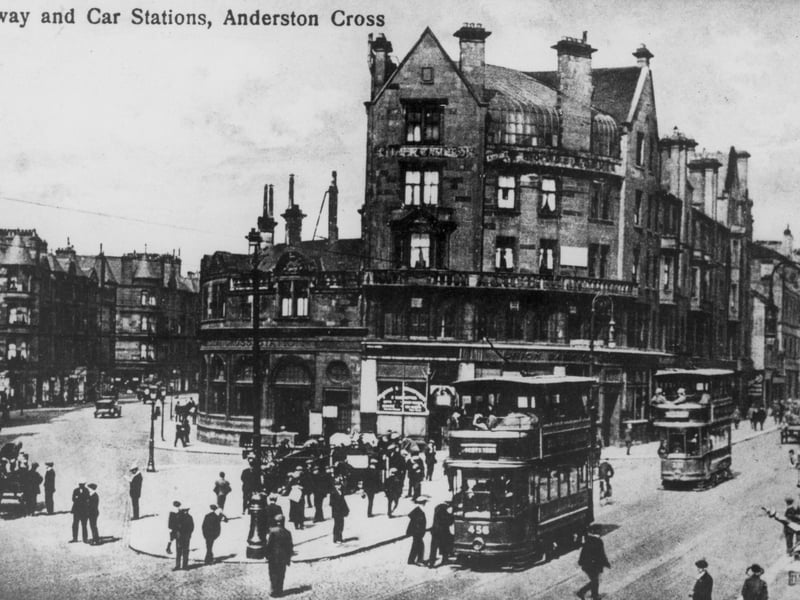
2. Anderston
Anderston is one of the younger villages that were absorbed by the city - it was a small conurbation of weavers in the early 18th century until it was taken over by Glasgow in 1846. The new tenements in Anderston were again demolished for the construction of the M8 in 1960s and 70s which leaves Anderston in its current state, a no mans land between the city centre and Finnieston. | Glasgow City Archives
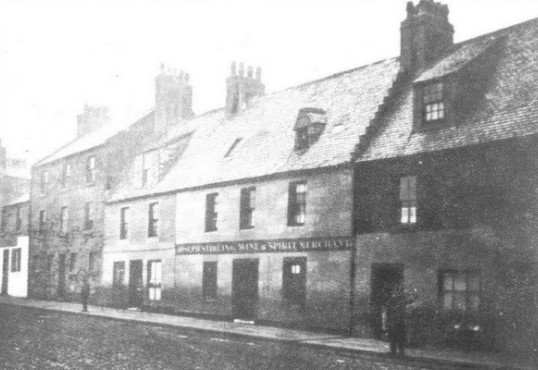
3. Camlachie
There is little to nothing left of Camlachie - which like many of the old satellite villages around Glasgow - was an old weaving village on the banks of a burn. It was its own constituency until 1955. During Glasgow's push for heavy industry it became littered with factories, workshops, warehouses, and other industrial space - which then became abandoned during the post-war years as industry declined in the city. Modern day Camlachie is pretty much covered by the Forge shopping centre. | Glasgow City Archives
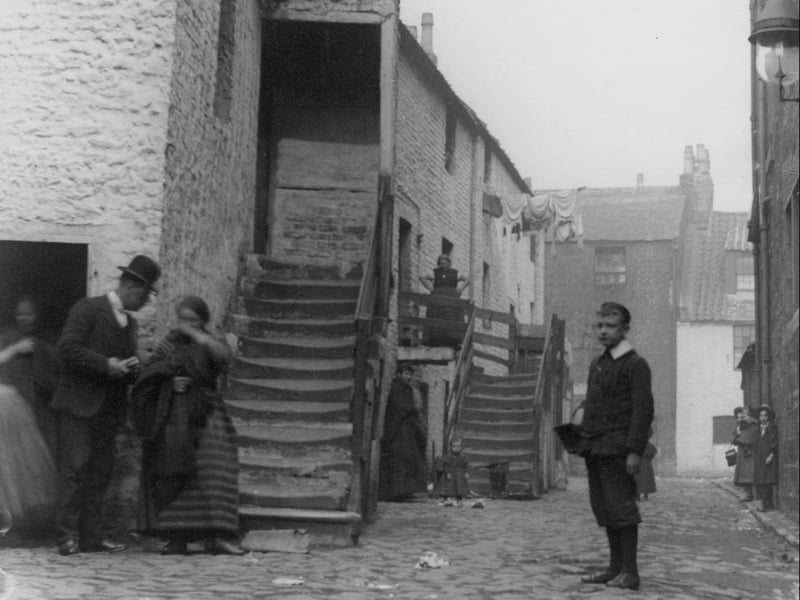
4. Backlands of Calton
In the early twentieth century, the construction of additional property between tenements - known as the backlands - brought about incredible overcrowding in schemes that were already facing slum conditions. There were more than a thousand backland properties in Calton - and become such an issue that the Government had to step in to provide increased funding to allow the Glasgow corporation to clear the slums. Around 1365 backland homes were demolished in the 1930s, leading to an end to the cramped conditions in what essentially were Tenement forecourts. The housing was replaced with 330 homes in three story tenements built in open spaces - around 20 per cent of Calton residents refused to move, preferring their property in the backlands - with a further 10 per cent returning to the backlands after leaving, despite the offer of larger accommodation at a lower rent. | Contributed