
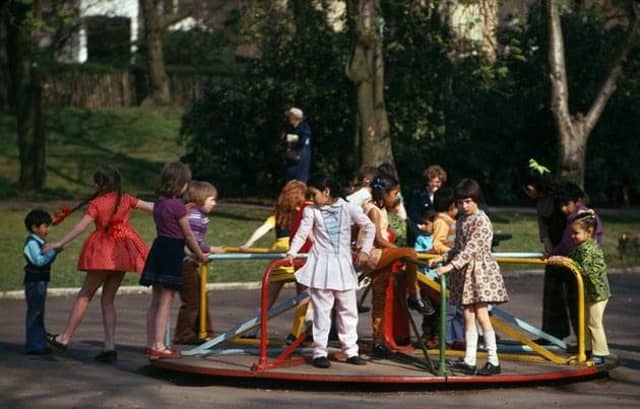


If the 60s were a period of massive upheaval in transition in Glasgow, then the 70s were a period of stagnation and decline, for many Glaswegians it felt like all was lost. The shipyards, which were a massive form of identity for generations of Glaswegians, were slowly disappearing and it felt like Glasgow had little to show for itself anymore.
The 70s are remembered by most as a pretty poor time by most Glaswegians. The decade didn’t get off to a great start, in just a few years the city saw the tragedies of Ibrox Disaster, the Clarkston Toll blast and the Kilbirnie Street blaze.
Glaswegians however, like we’ve always been, remained true to form, and in good spirits. Trade unionists, led by the likes of legend Jimmy Reid shop steward of the Upper Clyde Shipbuilders, saw huge attention on a global scale as they fought back against deindustrialisation and poor working conditions.
Glasgow would see an entirely new landscape as the decade roared on, Margaret Thatcher would see her rise to power throughout the 70s - a figure many Glaswegians will remember who would define line in the city in the following decade, the 80.
Musically, it was a huge decade for the city. Green’s Playhouse was renamed The Apollo in September 1973 - a number of legendary bands and artists would play the venue in the 70s such as: Johnny Cash, Wings, The Rolling Stones and ABBA.
Hampden Park once again hosted a European Cup final with Bayern Munich facing Saint-Etienne and Scotland had high hopes of winning the World Cup under Ally MacLeod in 1978.
A Glasgow institution saw his first success in the 70s too - the Big Yin would get a very well regarded show at the Pavilion Theatre called ‘The Billy Connolly Show’ which set Glasgow’s son off on a path to international stardom.
For more historical and heritage picture galleries, the latest on hospitality, community news, event guides, and much more: Sign up for our GlasgowWorld newsletter - delivered Mon-Wed-Fri.
Take a look below at 8 photos of Glasgow in the 70s, as we look back and explore what it was like to grow up in Glasgow in the 1970s - and for more on Glasgow in the 60s, check out our article here.
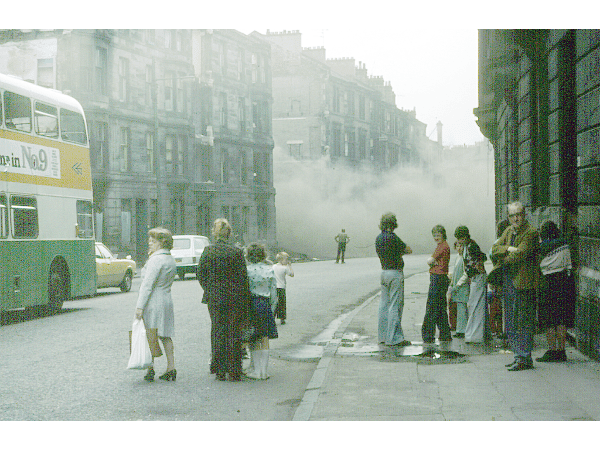
5. Changing Glasgow
Alongside deindustrialisation, the era also saw some cleaning efforts. The blonde and red sandstone tenements that had been stained black from soot and smog suddenly became red and blonde - giving the city a well-needed burst of colour. | Contributed
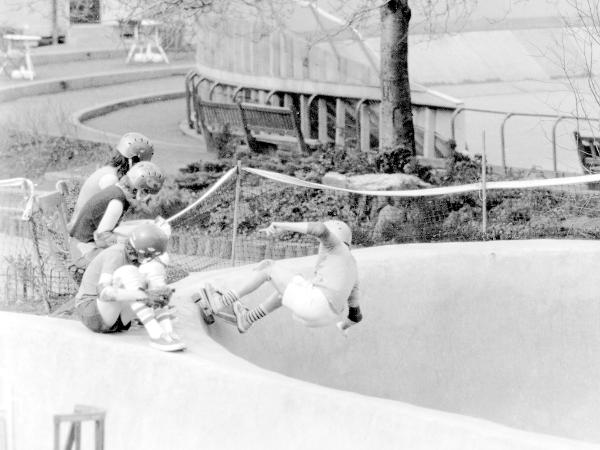
6. Americanisation
Long has Glaswegians had a fascination with American culture, one only has to look at the success of the Grand Ole Opry to see that. But in the 70s as Glaswegians began to see more and more American media, imports like skateboarding and other ideas would soon become Glaswegian pass-times. | Contributed
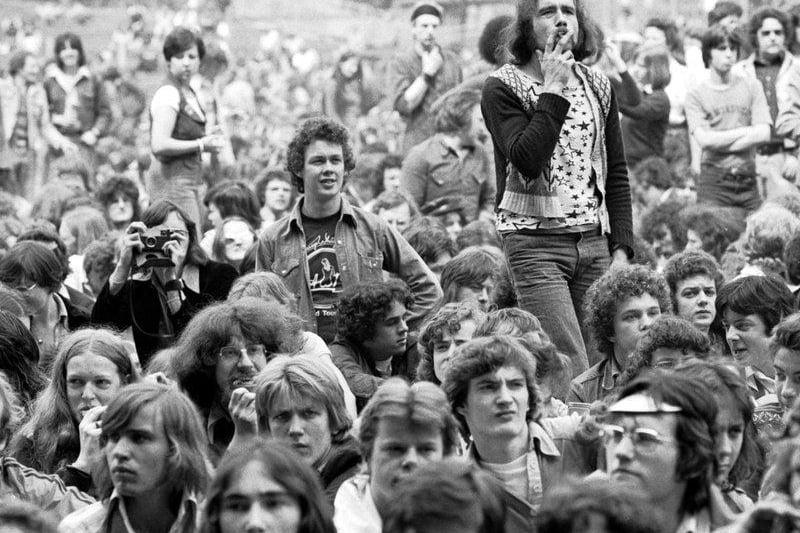
7. Huge artists
Many Glaswegians of the era will remember The Who playing at Celtic Park - if you weren't there, you definitely wanted to be there. | Contributed
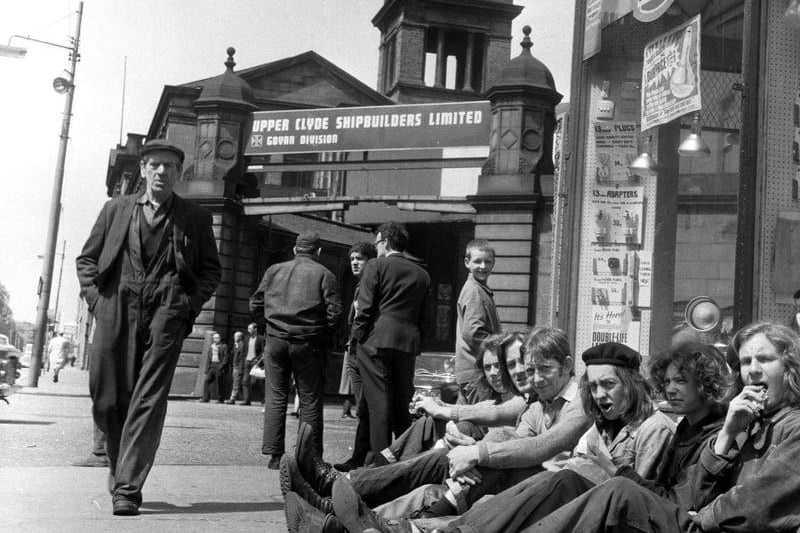
8. Apprenticeships
As Glasgow lost its industry, it became harder and harder to get apprenticeships on the Clyde, and those that did had no idea how much of a future they really had. | Getty