
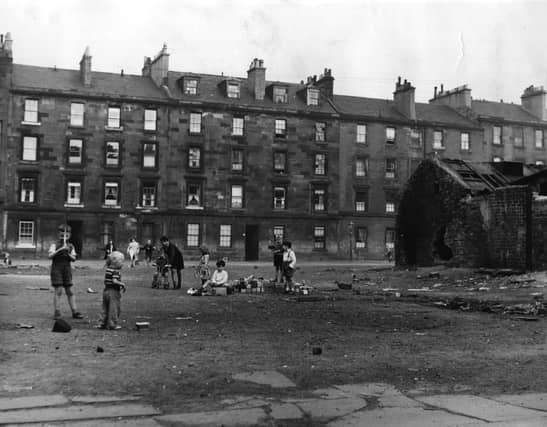


Tenements are ubiquitous in Glasgow - they are as integral as a part to the city as the people are - but how did they come to be, and why are they so important to Glaswegian culture?
The tenements of Glasgow were first brought in around the 1840s to house the massive workforce needed for heavy industry on the Clyde after the city used its profits from the merchant era of Transatlantic trade to position itself as the industrial heart of Britain.
The tenements were built rapidly, and in many cases cheaply, to house the massive workforce which would influx from across Britain. Depending on the era new Glaswegians would be crossing the cities boundaries in droves from events like the Highland clearances, the Irish famine, and other historical events that drove Brits from traditional rural dwellings into urban environments like Glasgow.
The population of Glasgow exploded, and the quality of tenement living varied greatly across the city over the centuries. Some tenements saw no upkeep or care, were built poorly, and by the time of the slum clearances in the 60s, were all falling to ruin. Conditions in said tenements could be horrendous, and sickness due to the poor living conditions was common due to overcrowding and poor sanitation. In some blocks like the Gorbals, 50 neighbours would be sharing the one outdoor toilet and back court tap. Tenements brought together incredibly tight-knit communities to the city, now the amount of people that used to live on your street all live in the one big sandstone building, and the streets in the city are lined with them.
Tenements rapidly expanded the city, and completely changed the face of it, burghs around the city like Partick and Govan would quickly become swallowed by Glasgow generation by generation.
As grim as growing up in a tenement could be, it did have its upsides - there was a real sense of community, you never felt alone, as a child there was a real sense of magic and belonging to it all.
Glasgow is known for being one of the friendliest cities in the world. I’d argue that this is in no small part due to the culture and community built within the cities tenements. The working class lived their lives in these incredibly overcrowded communities, and learned quickly the power a friendly face can have on someone’s day.
Life was hard in Glasgow tenements, people had to look out for each other - not to mention the consideration you had to have for other people when you shared a toilet between a dozen other families.
While most of Glasgow's tenement housing provision still stands, with a lot of the better preserved tenements being quite the sought after properties, growing up in a tenement in the 21st century just isn't the same as what it used to be.
Ever wondered why the tenements in Glasgow are two different colours? Check out explainer article by clicking here.
Take a look below as we explore life and conditions of Glasgow tenements throughout the 20th century in 28 pictures.
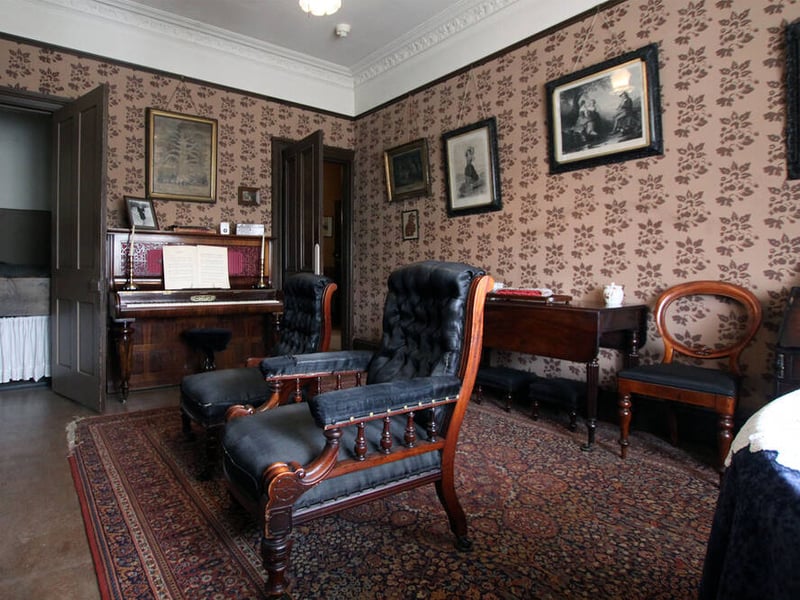
9. The Parlour in Tenement House
The Parlour in Tenement House | Visit Scotland
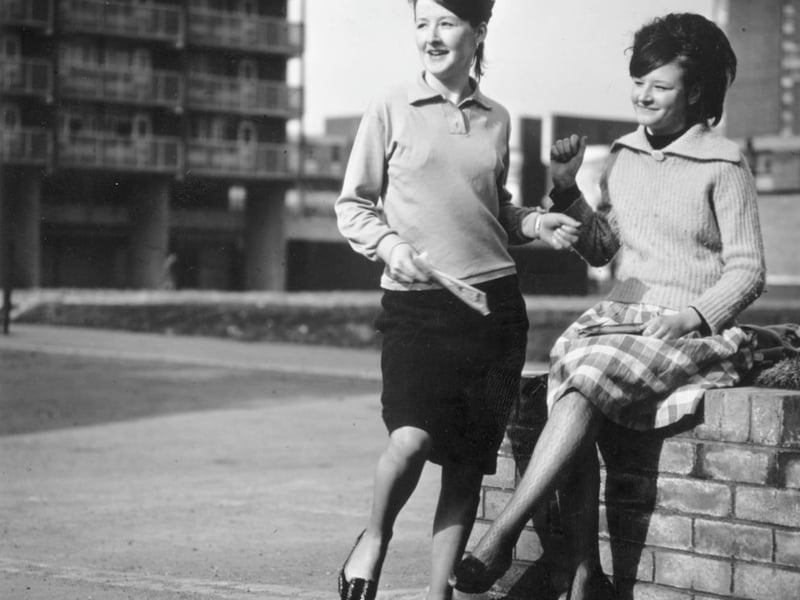
10. Twist again
Beatles fan Ann and her sister Eileen dance the twist in the Gorbals. The tenements which had formerly occupied this area were among the worst slums in Britain and there had been campaigns calling for redevelopment for many years before work finally began in the late fifties. | Getty Images
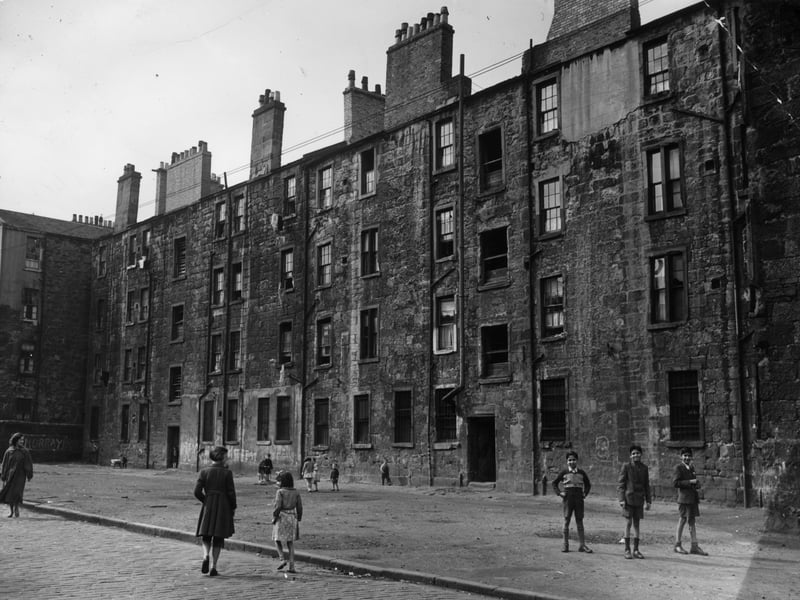
11. Gorbals (1956)
Children play in a yard in Coburg Street in the Gorbals. The Gorbals tenements were built quickly and cheaply in the 1840s, providing housing for Glasgow's burgeoning population of industrial workers. | Getty Images
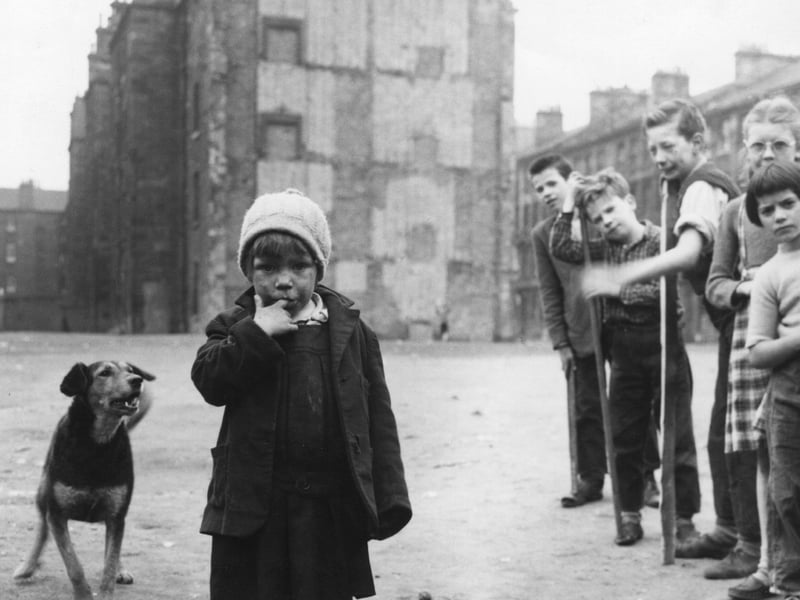
12. Surrey Lane (1956)
A dog barks at a girl in the Surrey Lane area of the Gorbals, Glasgow. By the time this photograph was taken 850 tenements had been demolished since 1920. Redevelopment of the area began in the late 1950s and the tenements were replaced with a modern tower block complex in the sixties. | Getty Images